This case began with a voter who felt boxed in. The petitioner is an elector from the 191-Kadipur assembly constituency in Sultanpur, which has reportedly stayed reserved for SC candidates for nearly seven decades. His argument was simple: voters there can only choose among candidates from the reserved category, and that has been true for generations.
His counsel pointed to a gap in the Constitution. Unlike panchayat and municipal elections, where rotation of reserved seats is mandated, assembly seats have no such provision. He argued that without rotation, voters have no choice outside the reserved category, and that long-term reservation of the same seats restricts electoral options.
The Allahabad High Court had heard this argument first. It upheld Section 9(1)(c) and refused to order rotation, though it accepted that rotation could better advance social and political justice by letting SC/ST candidates contest from constituencies with smaller reserved-category populations. It said that was a policy choice for Parliament.
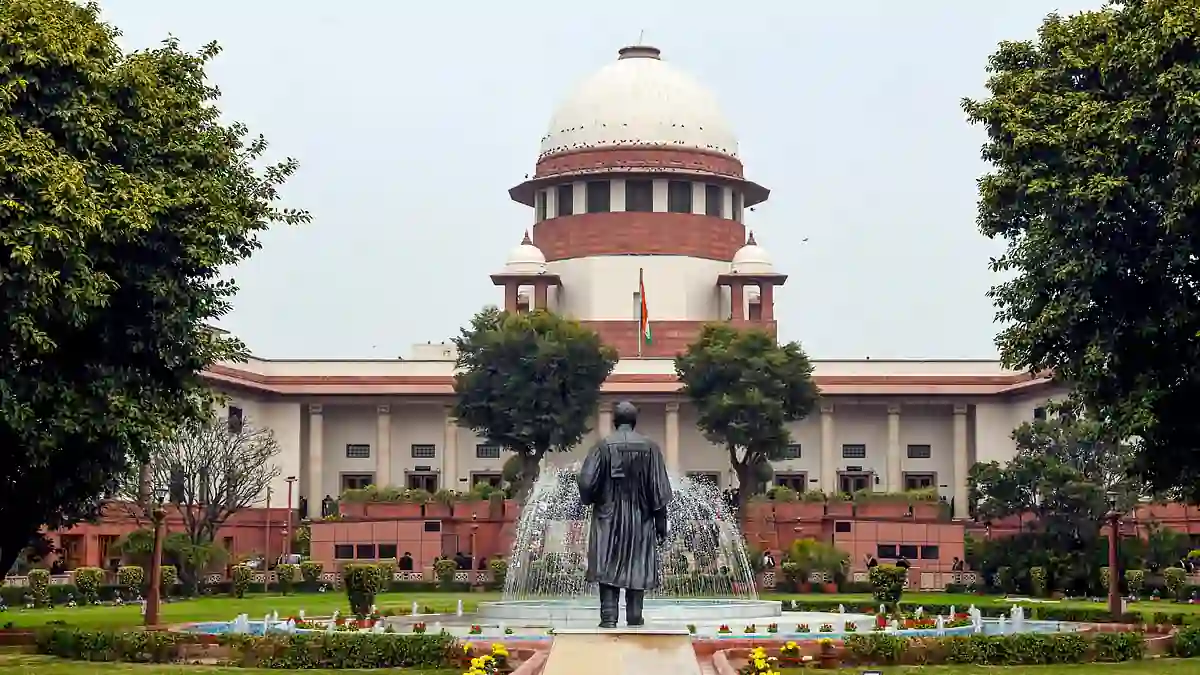
The Supreme Court took a similar view, though it pushed the petitioner with questions first. The bench asked whether keeping constituencies reserved for decades without rotation amounts to restricting electoral choice. It also questioned the assumption that a majority community will vote along community or caste lines.
The ruling came down to what the law actually says. The bench explained that Articles 330 and 332 deal with the proportion of seats reserved for SC/ST communities, while Section 9(1)(c) of the Delimitation Act provides how reserved constituencies are identified. Justice Bagchi noted that Article 332 doesn’t say how individual constituencies should be selected, and the court asked whether it could direct the Delimitation Commission to change reserved seats on a schedule without a statutory framework.
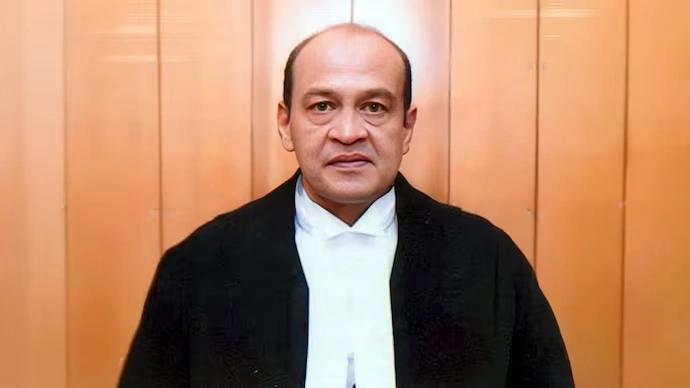
The Chief Justice was blunter. He said the court can’t play the role of a third chamber of Parliament. He told the petitioner he was “dialling the wrong number,” and suggested protest or lobbying instead. He also remarked that the question of whether reserving the same constituencies for long periods could create caste divisions is for the legislature to examine. ANI quoted him as saying this was also a good ground for protest.
The ruling doesn’t settle the policy question. It settles who gets to decide it. For now, the existing method for choosing reserved constituencies stays in force. Rotation could still be introduced, but only if Parliament passes a law to do it.
That leaves two competing concerns. One is the petitioner’s: that voters in permanently reserved seats lose real choice. The other, which the court’s own questions touched on, is how reservation is meant to work. Reserved seats exist to guarantee representation in proportion to the SC/ST population. How rotation would affect that, and whether it would help or hurt candidates from those communities, is a question the court didn’t answer. The High Court said only that rotation might advance justice in some ways.