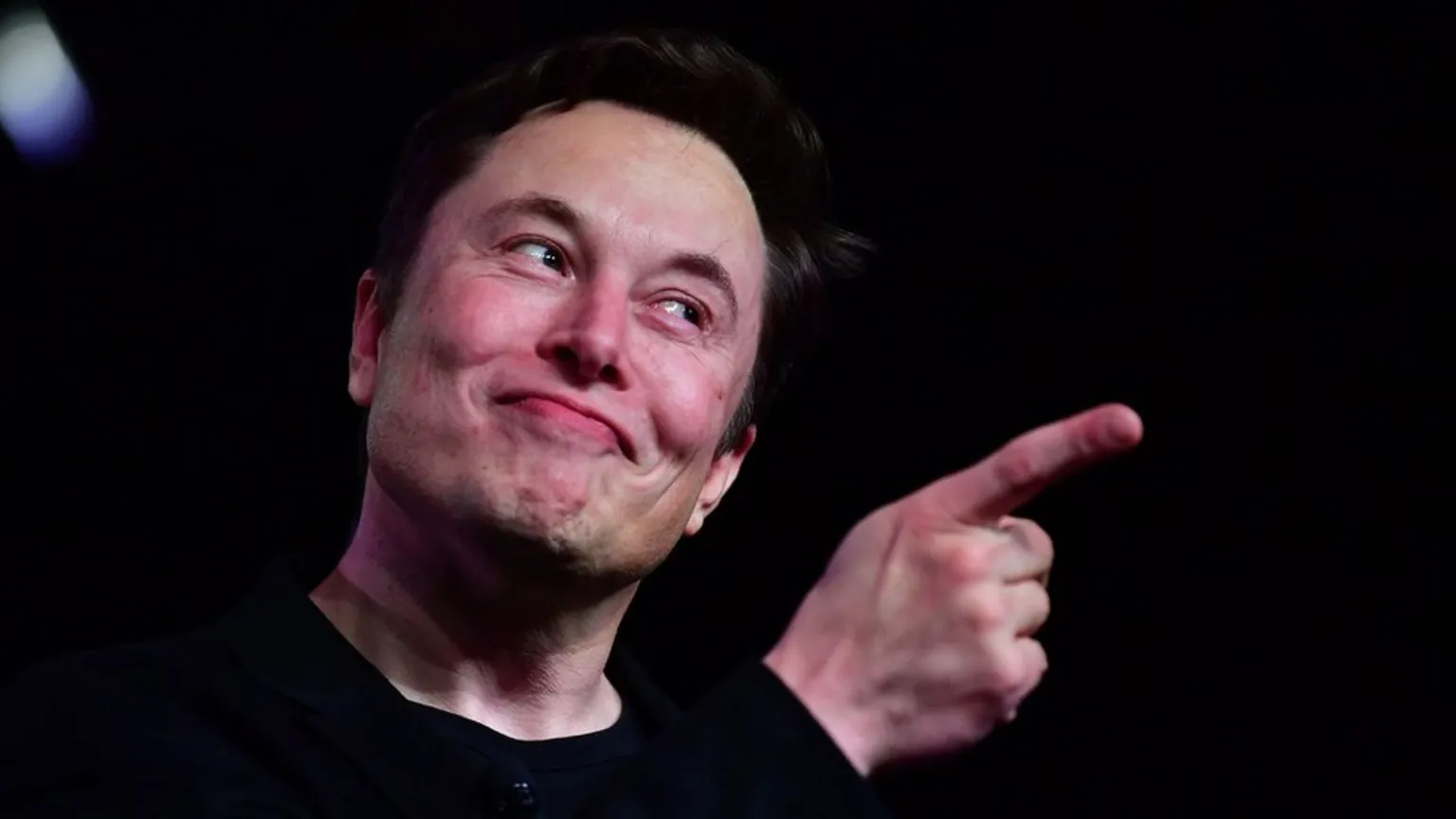
Tesla has spent nearly a decade promising a second-generation Roadster. Thursday night, it finally delivered, at least the unveiling part.
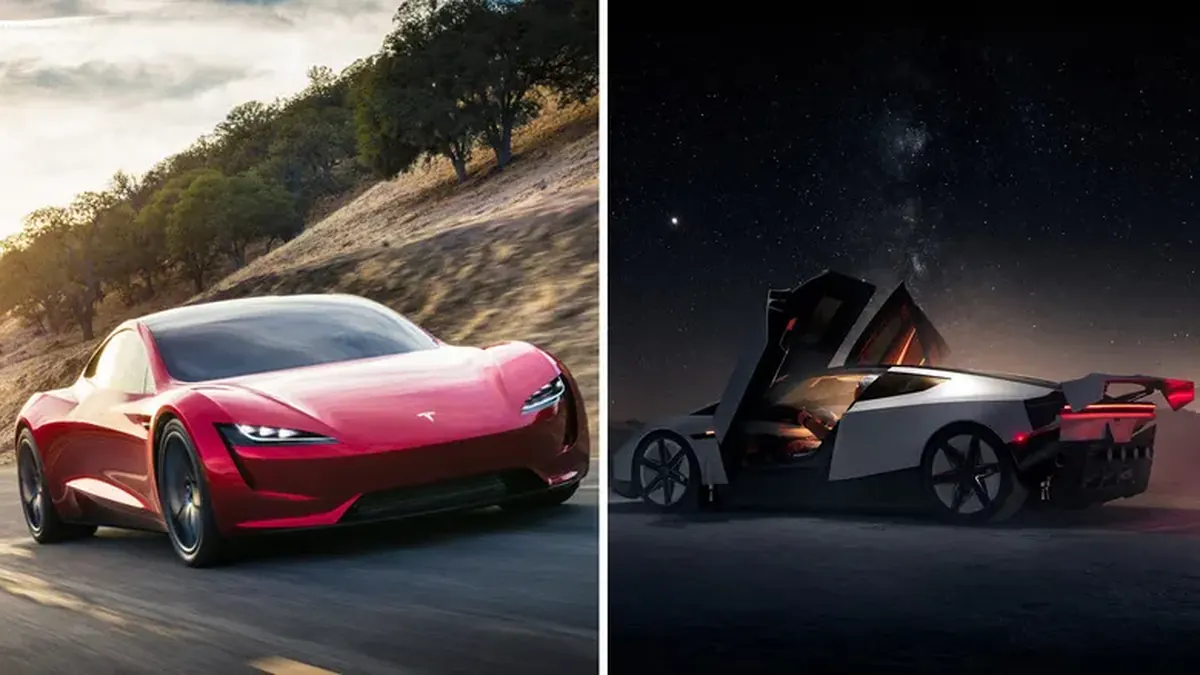
Musk first showed off the Roadster back in November 2017, alongside the original Tesla Semi reveal, promising a car that would hit 60 mph in under 2 seconds, top out above 250 mph, and offer a 620-mile range, numbers that made headlines at the time and set expectations the company has spent years failing to meet on a production timeline. Production was originally targeted for 2020. It never happened.
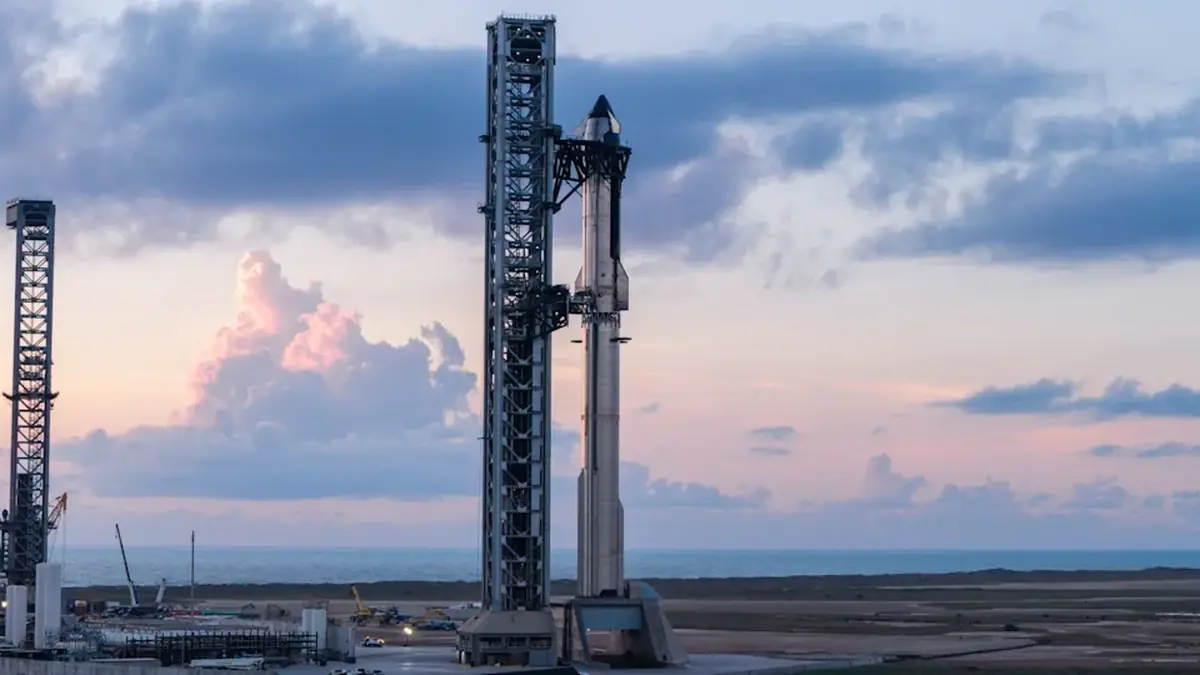
This year alone, the reveal event itself got pushed twice. Tesla originally penciled in October 1 for the demonstration, then called it off, saying at the time it had been “tracking the weather closely with local meteorologists” and that the show “can only be held outdoors.” The rescheduled date, October 15, finally arrived Thursday, with the event held at a SpaceX site near Waco, Texas, rather than a traditional Tesla showroom setting.
The teasers leading into Thursday’s event all pointed in one direction: SpaceX involvement, specifically cold-gas thrusters built into the car, a detail that’s fueled plenty of speculation about just how literally Tesla means it when it talks about the Roadster’s performance claims. Musk has also suggested a 0-60 mph time of under one second, a figure that, if real, would put the Roadster in genuinely uncharted territory for a production vehicle.
Visually, the teasers point to a full redesign leaning into Tesla’s angular “Cyber” styling, the same aesthetic language introduced with the Cybertruck, a shift some commentators have questioned given the original Roadster concept never seemed to need it.
For all the spectacle around the reveal, Tesla’s stock had a rough lead-up to it. Shares slid as much as 2.8% to around $356.80 the day before the event, part of a broader pullback tied to several factors at once: a macro environment pushing bond yields higher and hitting high-multiple growth stocks particularly hard, continued regulatory scrutiny of Tesla’s robotaxi operations, and simple uncertainty about what Thursday’s event would actually deliver.
Tesla currently trades at a valuation near 340 times earnings, which makes it unusually sensitive to shifts in rate expectations compared to more conventional automakers. Barclays analyst Dan Levy kept his rating at Hold with a $370 price target heading into the event, offering no real bullish catalyst to offset the broader pressure on the stock.
Separate from the Roadster story, Tesla’s autonomous vehicle push has run into real friction lately. The National Highway Traffic Safety Administration has an active safety probe into how Tesla’s robotaxi fleet and Cybercab vehicles behave in school zones, an investigation that’s continuing to cloud the broader autonomous driving narrative that underpins a large chunk of Tesla’s premium stock valuation.
In Europe, Tesla dropped its “Full Self-Driving” branding entirely this month after pushback from regulators there, a notable retreat in a region where the company has faced tighter scrutiny over how it markets its driver-assistance features compared to the U.S.
Adding another layer to an already busy stretch of Tesla news, Barclays has floated the possibility of an announced merger between Tesla and SpaceX, with Levy suggesting it could happen before Tesla’s annual shareholder meeting. Prediction markets, according to Benzinga, aren’t fully buying the idea yet, even as analyst chatter around it has picked up noticeably over the past few weeks.
Whether or not a formal merger materializes, the Roadster event itself already blurred the line between the two companies pretty significantly, given its SpaceX test-site venue and the thruster technology reportedly involved.
Thursday’s reveal landed in the middle of an unusually newsy stretch for Tesla and its CEO more broadly. CNBC reported this week that Musk has become the biggest known donor of the 2026 midterm election cycle, a detail that’s drawn attention well beyond Tesla’s usual automotive and tech coverage. Tesla also reported its Q3 vehicle deliveries earlier this month, and Musk has continued pushing a separate narrative around the company’s Optimus humanoid robot program, at one point suggesting it could eventually make Tesla a $25 trillion company.
With the reveal now behind it, Tesla’s actual challenge is the same one it’s faced for years with this car: turning a flashy demonstration into an actual production timeline investors and reservation holders can trust. Given the Roadster’s history of delays, skepticism about a firm delivery date seems like the reasonable default until Tesla proves otherwise. In the meantime, the stock’s near-term direction looks like it’ll keep being shaped less by the Roadster spectacle and more by the robotaxi safety probe, broader market pressure, and whatever comes next on the SpaceX merger speculation.