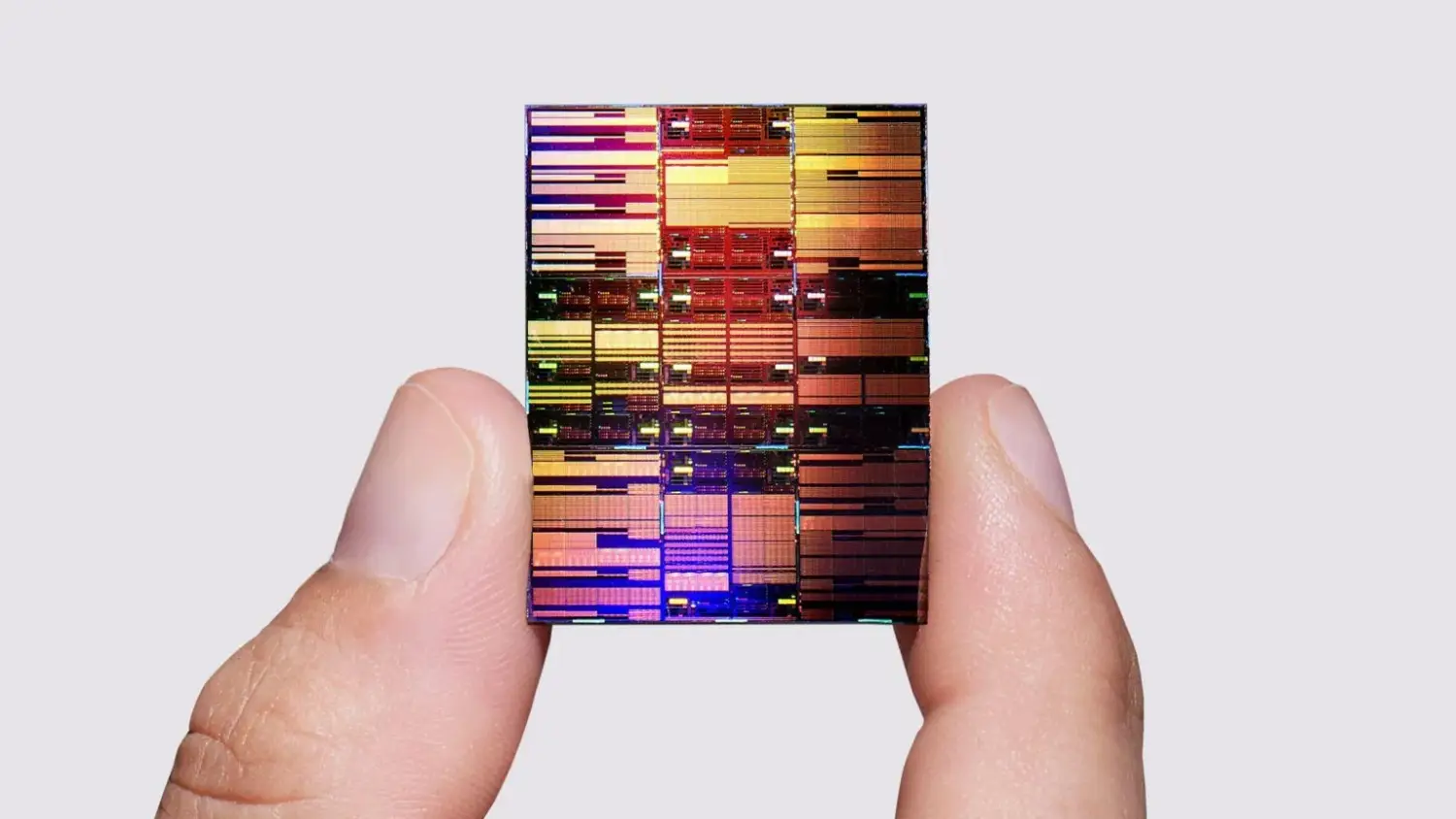
This is a computer so advanced that it will be able to solve complex problems in a matter of minutes, whereas a traditional computer would require millennia to solve the same problem.
This is what quantum computing is all about, and India now too has its own version of it. The upcoming capital city of Andhra Pradesh, Amaravati, will soon become India’s first “Quantum Valley,” thanks to an incredibly powerful IBM quantum computer. In this article, we shall see how this is being done and what stage things have reached right now.
The Government of Andhra Pradesh has joined forces with two well-known companies—IBM and Tata Consultancy Services (TCS)—to create an exclusive technology park that would be solely dedicated to quantum computing.
The quantum computing park is called the Quantum Valley Tech Park and is supposed to be constructed in Amaravati, on the banks of the river Krishna. As for the name Amaravati, it actually means "the abode of immortals" in the sense that it relates to the heavenly capital in the Hindu, Buddhist, and Jain religions, and the state government believes that quantum computing might help this new city in the same way software helped to develop Silicon Valley.
The tech park will house an IBM Quantum System Two installation with a 156-qubit Heron quantum processor installed, thus becoming the biggest quantum computer in India. So, to understand why such a quantum processor is so powerful, one should learn that "qubits" represent a unit of quantum information in quantum computing the same way "bits" represent a unit of information in regular computers.
According to N. Chandrababu Naidu, Chief Minister of Andhra Pradesh, this decision comes within the framework of India's National Quantum Mission, which aims to develop India as a global hub in the quantum field by creating the first state-based Quantum Valley in the world. Thus, this initiative can be viewed as a long-term project since the Indian authorities are certain that quantum computing will change almost all sectors over the next 25 years and want to become early adopters of such technology.
The total budget of the Quantum Valley of the state, which also includes investments from private companies, makes up approximately one billion dollars, while the construction company L&T should undertake construction.
It is clear that the state authorities do not want to undertake something temporary and insignificant but are rather focused on creating an advanced research destination in Andhra Pradesh, like the case of Bengaluru and the IT industry.
While IBM is supplying the actual quantum computer itself, TCS is going to be responsible for assisting India in developing the know-how and necessary software to put the hardware into action.
As Jay Gambetta, Vice President of IBM Quantum, noted, IBM is very happy about using its Quantum System Two in this tech park, adding that working together with TCS will allow attracting developers, scientists, and industry professionals from India to develop quantum algorithms and applications.
Even though the actual building is currently under construction, no one needs to wait until it is completed. Indeed, TCS has been able to access IBM's quantum computers since November 2025 and conducted skills development workshops and even an internal hackathon for its own employees.
Even cloud access to the Quantum System Two from IBM is already active and offers 365 hours of computing per year for all parties involved in the program.
This project has made progress in distinct phases:
- Discussion and Agreement: April 14, 2026, World Quantum Day, saw formal discussions and agreements between Andhra Pradesh and IBM regarding installation of the IBM Quantum System Two along with its 156-qubit Heron processor at the technology park.
- Construction Beginnings: The Government of Andhra Pradesh started construction on the Quantum Valley Tech Park in Amaravati early in February 2026.
- Indigenous Reference Facilities: Notably, India has managed to create its own indigenous quantum facilities within this project. Approximately 85 percent of the hardware for one such facility has been produced domestically, making it the first fully indigenous stack quantum facility in India, and quite amazingly, this facility took only eight months to construct. The facilities created so far include Amaravati 1S at SRM University and the Amaravati 1Q at Medha Towers, Gannavaram. The former is a facility intended for scientific purposes, while the latter facility is designed for industries.
It is here that clarity becomes necessary since various reports have specified different dates in the last one year. While there was an earlier suggestion of an incredibly tight schedule, which involved Andhra Pradesh IT Minister Nara Lokesh saying that the 156-qubit computer will be available at Amaravati as early as January 2026, another report in mid-2025 gave the goal of performing 100 quantum computing algorithms by January 1, 2026, and 100 use cases by August 15, 2026.
Nonetheless, the latest update released in April 2026 provides a more realistic view of the construction timeline. Based on this update, the major AQCC building where the quantum computer will be housed is scheduled to be completed in August 2026, while the actual IBM quantum computer is scheduled to be up and running by December 2026.
This means that while September 2026 marks the period just around when the building will be complete, the quantum computer is expected to be fully functional a little bit later, at the end of 2026. It is important to note that major infrastructure projects such as this one are known to revise their timelines based on the progress in construction, and it is important to refer to the latest updates from IBM or the Andhra Pradesh government.
Even before the machine starts functioning, its implications are evident. An open-source quantum computing class by IBM, for example, has reached 168,000 enrolments even before the start of 2026. In the same vein, an NPTEL quantum computing introductory course has enrolled 208,785 people as of 2026, with over 100,000 of those being from Andhra Pradesh.
In terms of the future development of the technology itself, IBM believes that the first instances of quantum advantage — where quantum computers will perform better than classical ones — will appear by the end of 2026, while full fault-tolerant quantum computers will appear in 2029. With such an expectation of the operation of Amaravati's quantum computer, India will enter the field of quantum computing at a crucial point of its technological development.