- Trump waived sanctions and tariffs under the Graham Act on Friday, and Rubio says a 60-day review is the plan.
- India, still heavily reliant on Russian crude, avoids the threat of steep US duties for now.
- Lawmakers from both parties, along with Ukraine's president, are pushing back hard.
- Rubio is in India this week for talks centred on energy and trade.
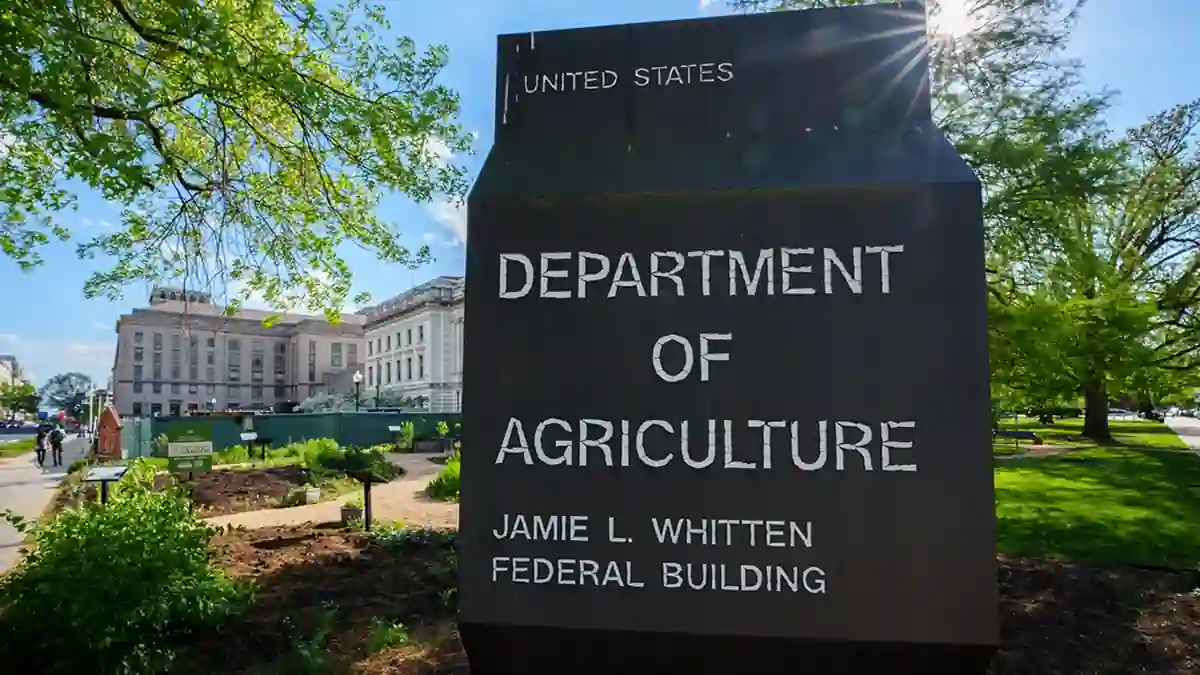
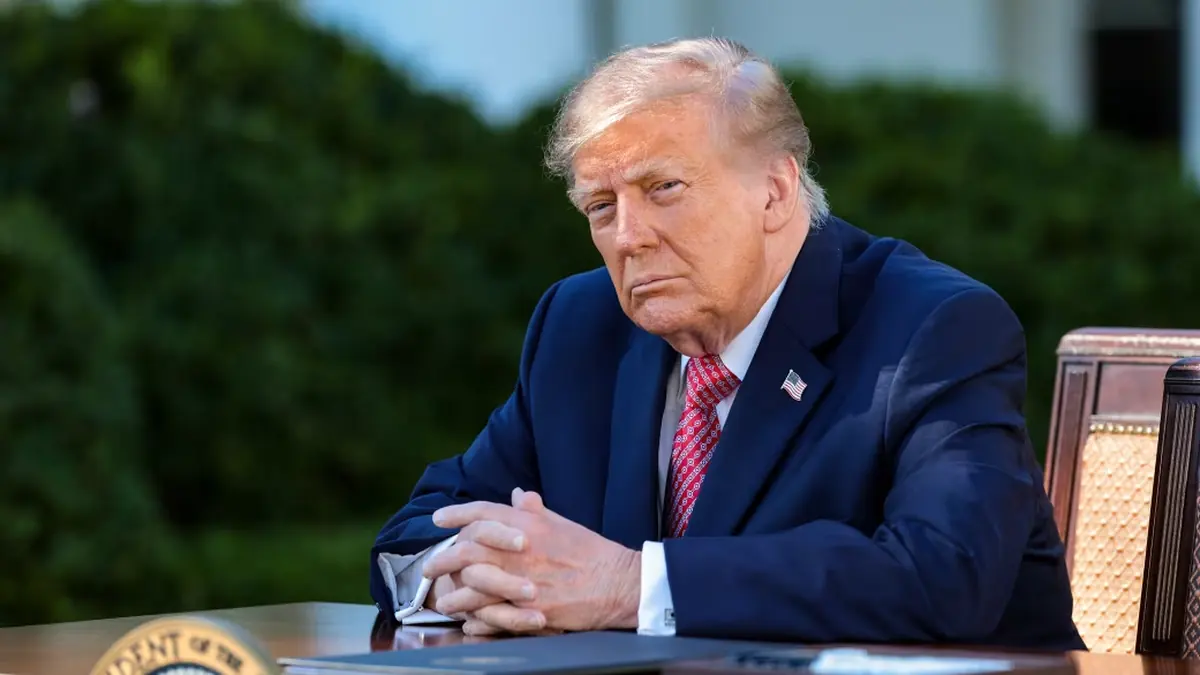
President Donald Trump has hit pause on the sanctions law that carries Lindsey Graham's name, barely a month after signing it. Friday's order waived sanctions and tariffs tied to Russian exports. For India, the largest question mark in the whole law, the effect is immediate: the threat of duties as high as 100% on big buyers of Russian oil is off the table, at least until the review runs out.
The order itself did not say how long the waiver would last. Secretary of State Marco Rubio filled that gap on Saturday. The president, he told reporters before flying out to Uzbekistan, wants 60 days to work out what sanctions and tariffs would do to the global economy and the American one. Trump said he had not made a final decision.
The law was reworked before it passed. Its tariff ceiling fell from an original 500% to 100%, aimed only at the top five buyers of Russian oil and gas, and it gave the president a national-interest waiver as long as he explains himself to Congress. He has now used it. Washington keeps the power to bring the measures back.
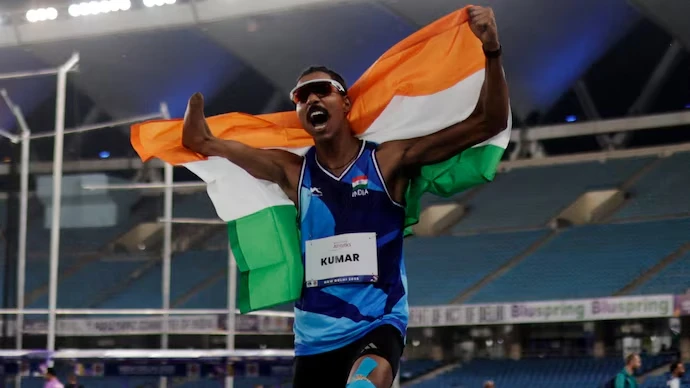
India is the awkward case. In February, a trade deal cut US tariffs on Indian goods to 18%, and Rubio said Delhi had committed to stop buying additional Russian oil. Then the Iran war closed off Gulf routes and everything shifted.
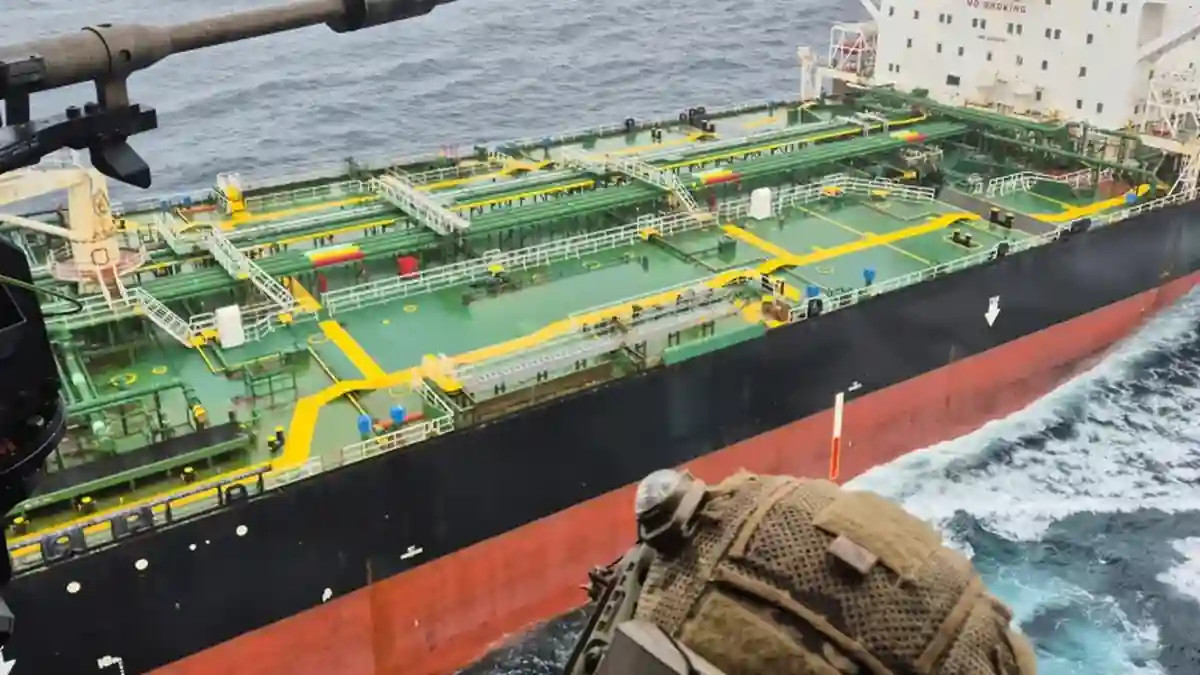
From March, Treasury issued a string of short waivers letting Indian refiners buy Russian cargoes stranded at sea. By June, Kpler estimated India was taking about 2.6 million barrels of Russian crude a day, roughly 53.5% of all its imports. Rubio now says plainly that India cannot walk away from that oil overnight.
The pause did not arrive in a vacuum. On October 9, Trump announced a deal to obtain diesel from Russia, a sharp reversal after years of pressure on Moscow. Treasury moved to ease diesel sanctions for six months, and Russia partially lifted its own export limits the next day.
Trump framed it around pump prices, with the midterms weeks away. He talked up lower costs for farmers, ranchers and truckers, and described the arrangement as a deal for the world market rather than one with Russia. Treasury Secretary Scott Bessent has maintained that none of this amounts to sanctions relief for Moscow.
Volodymyr Zelenskyy was not persuaded. He said Russia would answer with more terror, and later described the sanctions pause as a reward for Putin.
Richard Blumenthal, who co-sponsored the sanctions legislation, called the diesel arrangement an insult to Graham's memory and contrary to what Congress intended. A group of senators wrote to Trump urging him to rescind it and to use the new law instead. Reports describe Republican and Democratic lawmakers alike accusing the White House of backing down, and at least one GOP senator said Reagan and Graham would be ashamed.
Trump has held his ground. He says the waiver keeps Russia at the negotiating table, and his envoys Steve Witkoff and Jared Kushner have reportedly told Ukrainian officials that the diesel arrangement is part of a wider push to get Moscow talking about ending the war.
Markets reacted with a shrug and a slight retreat. Brent crude slipped back from a five-month high to around $108 a barrel, according to Moneycontrol. Analysts at ThePrint argue the waiver could help India's winter supplies, but they do not expect crude prices to fall in any meaningful way.
Some Indian sectors exhaled sooner. Gem and jewellery exporters, who had been bracing for punitive duties, welcomed the delay.
Then there is the diplomacy. Rubio's trip runs from October 17 to 22, starting in Samarkand before moving on to Mumbai and Jamnagar, home to Reliance Industries' giant refining complex. It is the first time a US secretary of state has planned an India visit without scheduled meetings in New Delhi. The State Department says "enhanced energy cooperation" is on the list. The wider US-India trade deal, meanwhile, still hangs fire.
Sixty days from Friday lands in mid-December. Between now and then, expect three things to matter: what Rubio and Indian officials say after their talks, whether Congress forces a vote or tightens the screws, and whether Washington quietly extends the waiver once the review period is up. India's refiners are not waiting for the answer. They are buying.