Trump signed an executive order on Friday evening waiving much of the Graham Act. The law's first big penalties were due to kick in on October 18, so the order arrived with about two days to spare.
He used Section 115(a), which lets a president set provisions aside by telling Congress the waiver serves the national interest. The order names the duties in Sections 112 and 113. Section 113 is the one Delhi and Beijing were watching. It allowed tariffs of up to 100% on countries that buy Russian crude oil or natural gas, or help Moscow get around sanctions.
There is no end date. The waiver stays in place until Trump or his senior officials decide further action is appropriate, according to Reuters. ABC News reported that the order does not lift sanctions already on Russia, but it frees the administration from the law's requirements going forward. Whatever gets enforced from here is the White House's call, not the statute's.
Congress passed the act by wide margins. The Senate voted 86 to 11 on August 7, and the House followed on September 16, 262 to 159. Trump signed it on September 18.
It carries the name of the late Senator Lindsey Graham of South Carolina, who pushed the idea for well over a year and died in June, a day after visiting Kyiv. Graham had said the White House backed the package hours before his death. The price of that backing was broad waiver power. House Democratic leader Hakeem Jeffries argued during the debate that the text had loopholes that let Trump avoid the sanctions while still imposing tariffs.
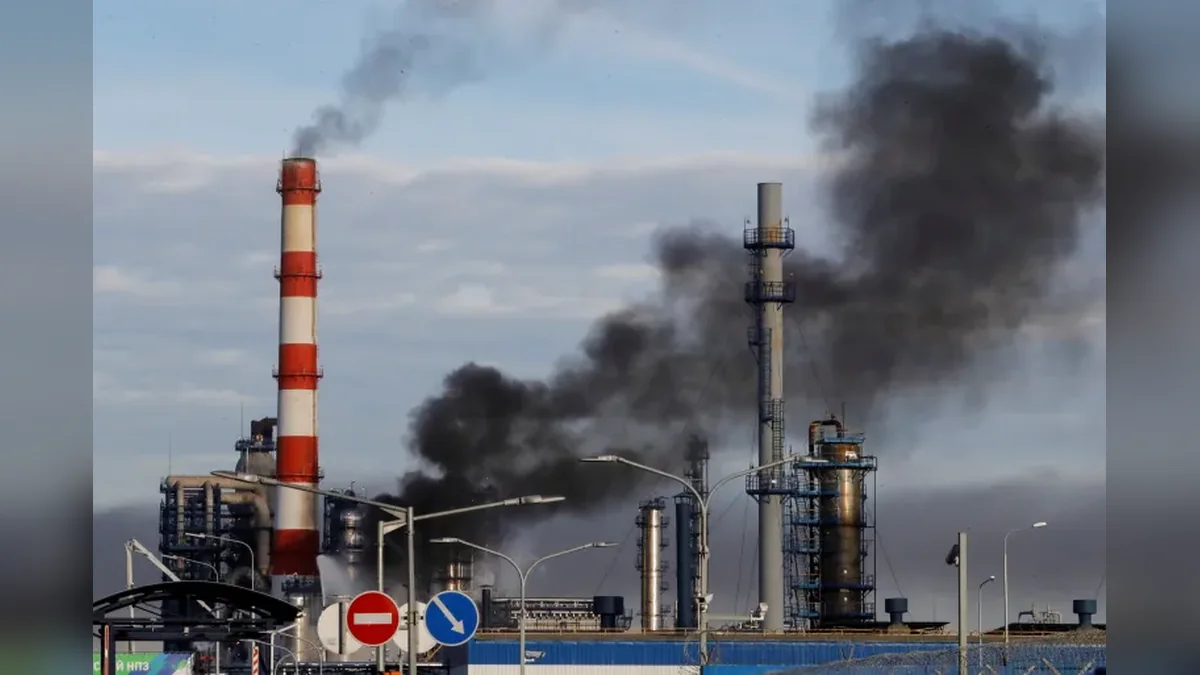
The waiver did not come out of nowhere. On October 9, after what Trump called a highly successful discussion with Vladimir Putin, he announced that Russia would supply diesel to the US and global markets. The numbers he posted: more than 300,000 tons right away, another 500,000 in November, then a million, then up to 3 million more depending on refinery conditions.
The Treasury's sanctions office issued General License 135 the same day, allowing Russian diesel to be sold and imported until April 7, 2027. Senators from both parties said the arrangement ran against the law Trump had signed three weeks earlier. Analysts told ThePrint the extra volumes are unlikely to fix global diesel shortages on their own.
Fuel prices sit in the background of all this, along with the midterm elections on November 3.
Ukrainian President Volodymyr Zelenskyy said the decision rewards Putin and warned that more sanctions relief could follow. He argued the diesel deal will push cash back into Russia without making up for the disruption around the Strait of Hormuz. He asked European leaders for a 22nd EU sanctions package and for penalties on firms that supply Russia's missile and drone industries.
Senator Thom Tillis, a Republican, called the waiver irresponsible and reminded the White House that the Senate passed the law 86 to 11. If the goal is lower energy prices, he said, the Iran problem is the place to start. Representative Don Beyer described the move as a surrender to Putin.
Moscow saw it differently. Putin's envoy called Trump's decision a historic moment, as reported by The Hindu and CGTN.
India is the headline in Indian newsrooms for a reason. The act would have hit goods from the five largest importers of Russian crude and gas, and India has been one of them since 2022. Both India and China had objected to the bill. Beijing criticised long-arm jurisdiction without a basis in international law, while New Delhi warned that new tariffs could strain ties.
Analysts quoted by National Herald and others expect Indian refiners to hold Russian crude purchases close to current levels. The waiver is broad and also helps China. India imports more than 85% of the crude it needs, and officials have long argued that affordability and supply security should drive buying decisions.
Relief may not be permanent, though. The Global Trade Research Initiative described the waiver as temporary relief and not lasting certainty, which is fair given that Trump can reverse it whenever he wants.
Refiners face a second question on diesel. India exported 630,000 barrels a day in September, with 280,000 going to Europe. More Russian diesel on the market could narrow premiums and squeeze margins, one analyst told ThePrint, and a return of Chinese diesel exports is already weighing on Asian refining margins.
Congress is the open variable. A bill banning Russian diesel imports has been introduced, according to UkrMedia News. Analysts say forcing enforcement would mean lawmakers acting against the president's fuel policy weeks before an election, which is a hard sell.
Meanwhile the war goes on. Zelenskyy said Russia struck more than 15 Ukrainian energy sites in recent days in an effort to force blackouts.