Donald Trump broke the news the way he breaks most news these days: on social media, in capital letters. "THE BIGGEST OIL DEAL IN WORLD HISTORY," he wrote Friday, crediting Secretary of State Marco Rubio, Defense Secretary Pete Hegseth and Venezuela's acting president, Delcy Rodríguez, with negotiating it. He added that it came "at no cost to the American Taxpayer."
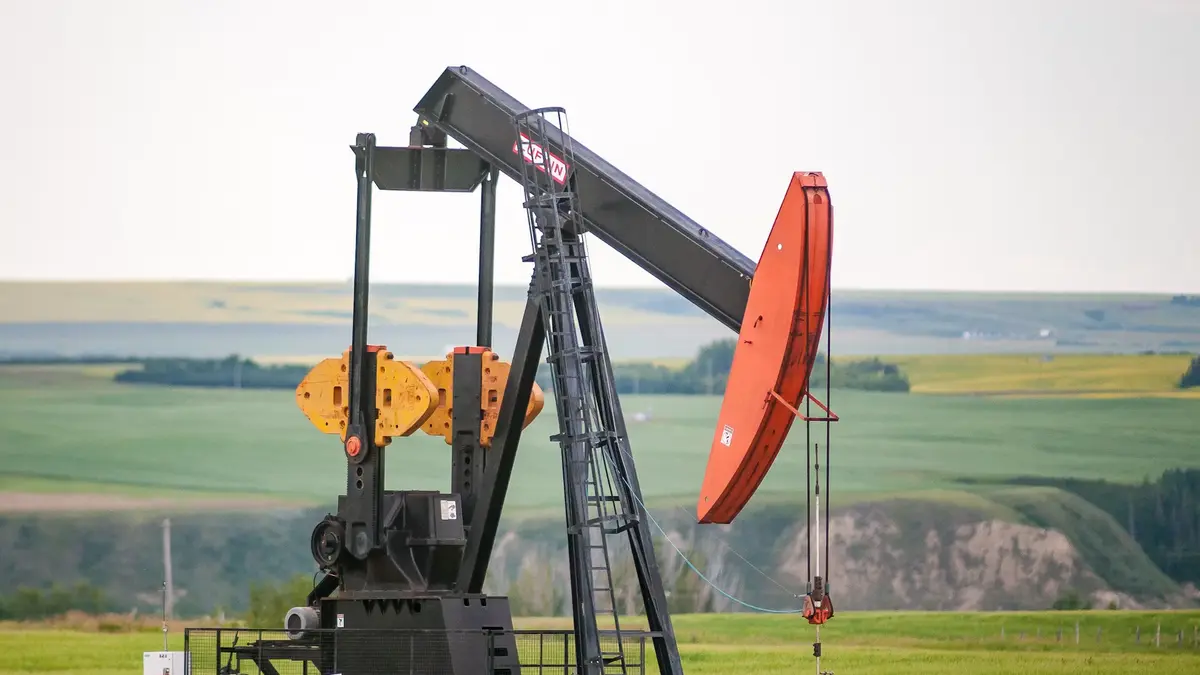
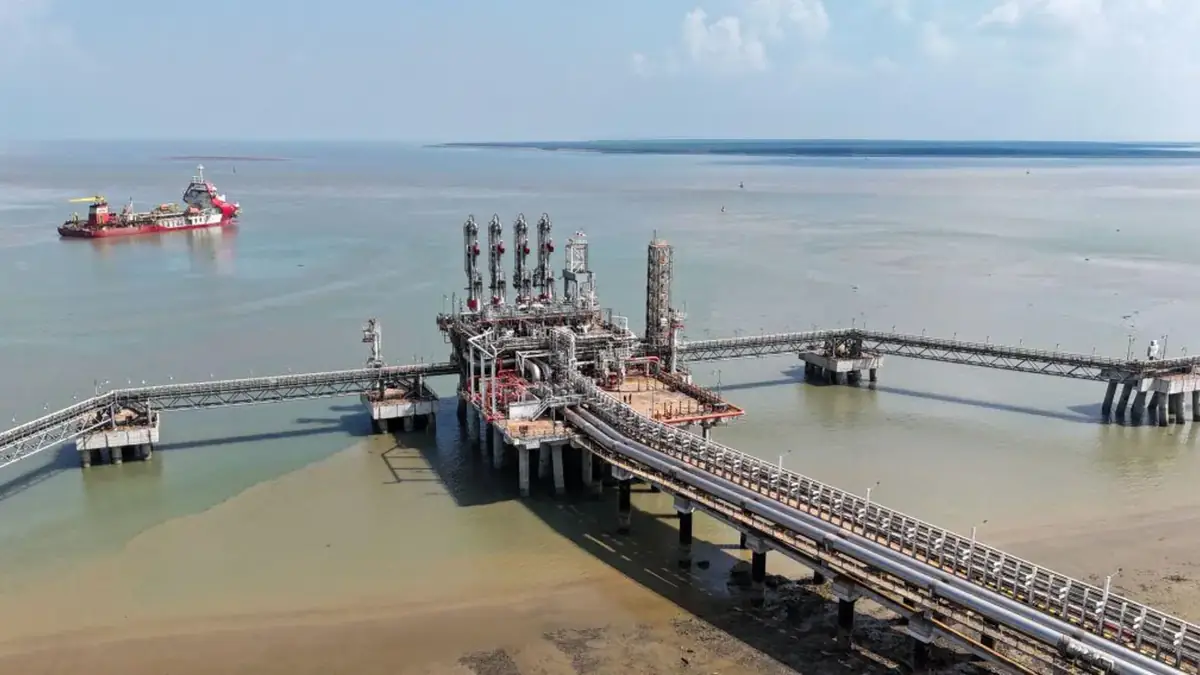
The mechanics are less dramatic than the framing, though still enormous by any measure. Rodríguez's government has granted a newly formed private joint venture a 100-year concession over 17 oil fields, together holding a proven potential of 65 billion barrels. The US government will hold an effective 55 percent interest in whatever those fields eventually produce, split between equity in the venture and the right to buy oil at cost. Venezuela's government says the arrangement could pull in $100 billion of fresh investment and generate more than $209 billion in tax revenue over time.
For scale: Venezuela sits on the largest proven oil reserves on Earth, north of 300 billion barrels, more than triple what the United States holds. It has for decades been unable to pump most of it, thanks to sanctions, chronic underinvestment and infrastructure that has been quietly falling apart since the Chávez-era nationalizations of the 2000s drove out ExxonMobil, ConocoPhillips and most everyone else. Only Chevron stuck around.
This deal doesn't exist in a vacuum. It's the endpoint of a campaign that began in January, when a US military operation removed Nicolás Maduro from power and installed Rodríguez, his former vice president, as interim leader. Since then, the Trump administration has eased sanctions on Venezuelan oil, courted the same American oil majors that fled two decades ago, and pushed Caracas to pass legislation allowing private firms to manage extraction.
Friday's agreement is the culmination of that pressure campaign, not a standalone transaction. Which is part of why critics find it hard to describe as an arms-length business deal between equals.
Here's the part that surprised a lot of traders: crude prices didn't spike on the announcement. They fell. A deal billed as the largest oil agreement in history, by reserves, produced what analysts called a bearish signal rather than a supply shock.
The reason is timing, not skepticism about the numbers themselves. Venezuelan output has collapsed from roughly 3 million barrels a day in the 1990s to well under 1 million now, and reversing that will take years of drilling, pipeline repair and capital that hasn't arrived yet. Rystad Energy estimated in July that production could rise by around 17 percent by 2028, and only under favorable conditions. Nothing in Friday's announcement changes that math overnight. Markets, in other words, are pricing a lower long-run scarcity premium, not an imminent flood of barrels.
The White House is leaning hard on the pocketbook argument, promising the deal will "substantially lower" gas prices that have climbed to a national average of $4.08 a gallon, up from $3.20 a year earlier, as fallout from the Iran war rattles energy markets.
Energy analysts are less convinced of the timeline. Patrick De Haan of GasBuddy told reporters that Venezuela's reserves need years of investment before they move the needle at the pump, and that global refining bottlenecks could blunt whatever supply eventually does arrive. Nobody disputes that more oil, someday, tends to push prices down. The dispute is over "someday."
The political reaction has been loud, and it hasn't split along the lines you'd expect.
Venezuela's opposition and Rodríguez's own hardline allies have both criticized the arrangement, for different reasons. Some in the opposition worry it lets the interim government sidestep pressure for elections. Energy historian Gregory Brew compared the concession to oil deals extracted by the British Empire a century ago, writing that "such a thing is without precedent." Harvard economist Ricardo Hausmann went further, arguing that an "illegitimate interim government" has no standing to sign a 100-year contract governing a sovereign nation's most valuable resource.
In Washington, the criticism has crossed party lines in an odd way. Rep. Ro Khanna, a Democrat, called the deal a return to "gunboat diplomacy," while free-market commentators on the right have flagged something different: a majority state-owned oil company being assembled by a Republican administration that has already taken equity stakes in dozens of private US firms over the past year.
Rodríguez, for her part, has struck a defiant note, insisting on Telegram that Venezuela "retains sovereignty" and that the deal will fuel the country's "revival."
Chevron, ExxonMobil and ConocoPhillips have not publicly weighed in, though executives from all three were expected to meet Trump on Friday to discuss the fields. Italy's Eni is separately in talks to re-enter the country's oil sector. Whether any of them commit real capital, and how fast, will determine if Friday's headline number ever becomes barrels in a tanker. For now, it remains mostly a contract on paper, with a lot riding on how long everyone involved is willing to wait.
d majority control, roughly 55 percent, of output from 17 Venezuelan oil fields holding 65 billion barrels of proven reserves, through a new private joint venture with a 100-year concession. Interim President Delcy Rodríguez says it will draw $100 billion in investment and $209 billion in tax revenue for Venezuela. Analysts warn any effect on US gas prices is years away, oil prices actually fell on the news, and critics across Venezuela's political spectrum are calling the arrangement a modern-day resource grab.