Ukraine has sent Russia a proposal, passed along through a third party, calling for both sides to stop attacking civilian shipping and port infrastructure in the Black Sea. So far, Ukraine hasn't received a response.
The timing isn't really a coincidence. Hostilities around the waterway have picked up sharply these past few weeks, with Moscow and Kyiv trading accusations over who's been hitting vessels tied to agricultural exports.
At its core, the offer is meant to take some of the risk out of commercial navigation and merchant shipping, and to keep civilian ports, transport links, and energy hubs out of the crossfire. But this isn't just a Russia-Ukraine problem. Both countries rank among the world's biggest agricultural exporters, so if the Black Sea corridor stays shut down much longer, global food prices won't stay put for long either.
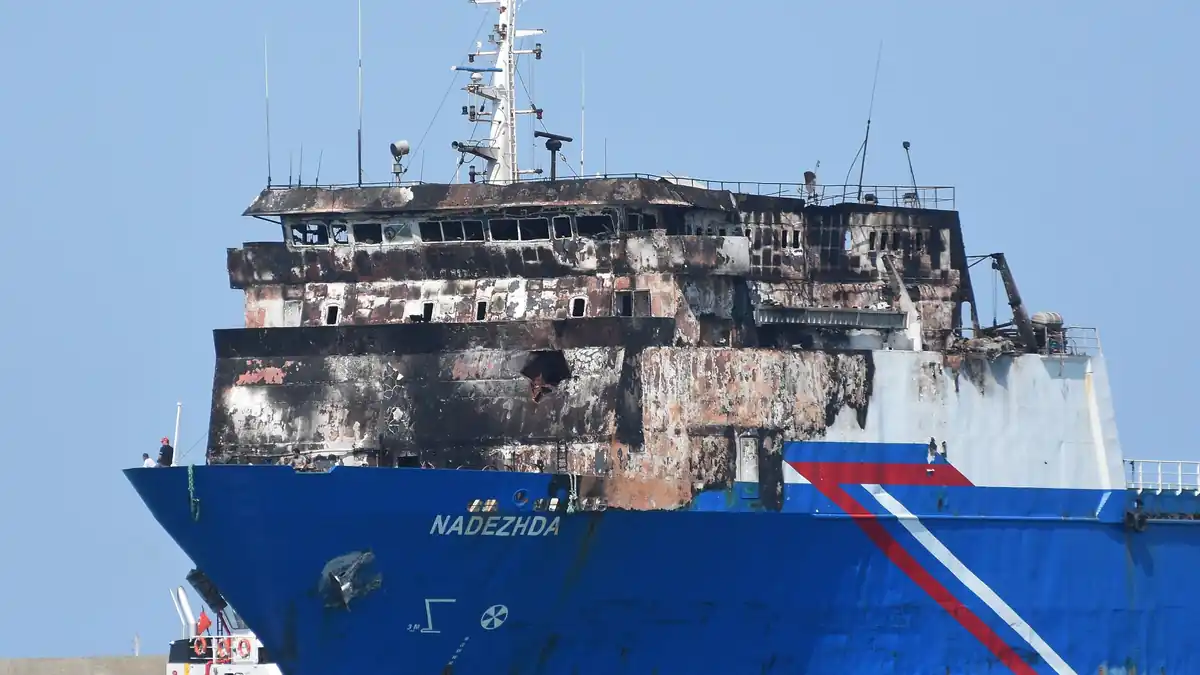
The damage is already showing up in the numbers. Many shipowners stopped calling at ports in Odesa — Ukraine's key grain export hub — in late July, spooked by Russian strikes on dozens of ships, and Kyiv has had to scramble for alternative shipment routes ever since. Ukraine's grain exports are down 76 percent because of the blockade on its ports — a number that says more about the war's economic toll than almost any other statistic circulating right now.
Russia isn't unscathed either. Moscow had to shut down all three terminals at its Black Sea port of Novorossiysk after a Ukrainian attack, forcing it to cut its own grain exports further. Neither side's shipping is moving cleanly, which is presumably part of what's pushing both toward the negotiating table now.
Ankara has taken the lead in trying to broker some kind of calm. Turkish Foreign Minister Hakan Fidan said a proposal had gone to both Russia and Ukraine, calling on the two countries to declare a moratorium on Black Sea attacks. That's not a new role for Turkey — it controls the Bosphorus and Dardanelles, the only route in or out of the Black Sea, which has made it the natural go-between since the war started.
Moscow's public response has been noticeably cagey. Deputy Foreign Minister Alexander Grushko said Moscow had received no formal Black Sea ceasefire proposal, adding that plenty of calls for moratoriums and truces have circulated through various channels without anything formal reaching the Kremlin. That was said before Ukraine's offer became public, and it's worth noting the gap between "nothing formal" and "nothing at all" — it's the kind of hedge that leaves room to maneuver either way.
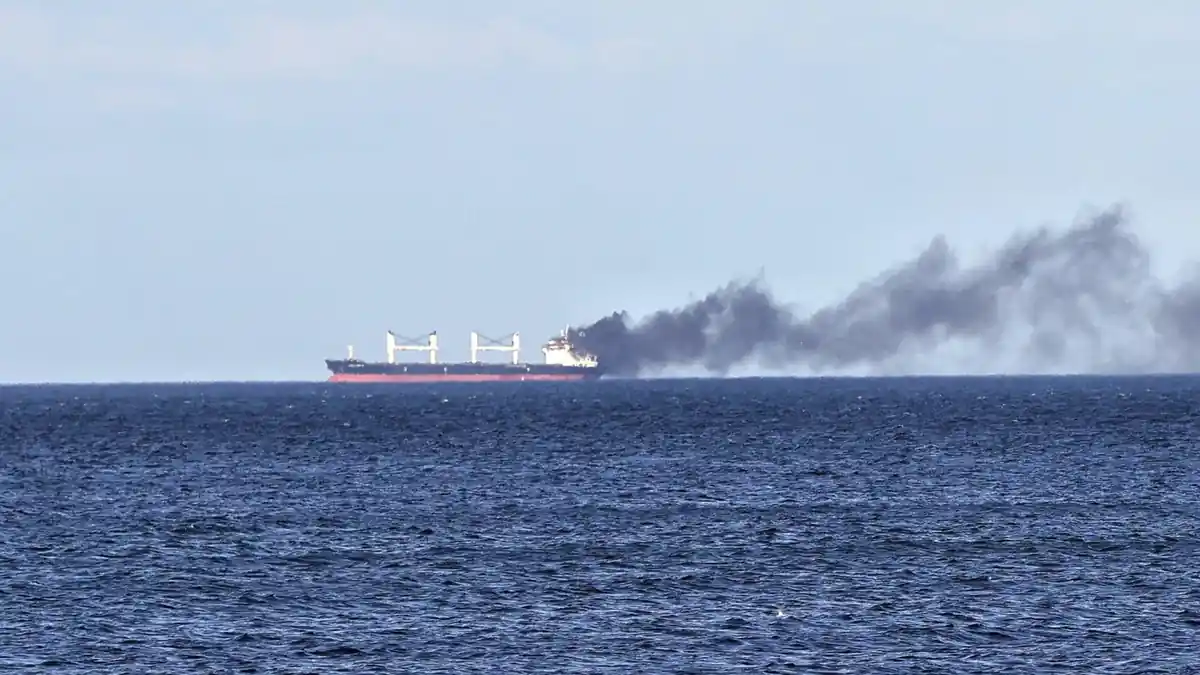
Photo: @Ukrinform/Shutterstock
None of this has actually slowed the fighting. Ukraine's Defense Forces struck four Russian warships overnight at the Novorossiysk naval base in Krasnodar region on August 12. At the same time, Ukraine has quietly paused drone strikes on oil tankers using Novorossiysk, after US Vice President JD Vance asked Kyiv to stand down over concerns it was destabilizing oil markets and hurting American companies buying Kazakh crude. That detail matters — it shows Washington leaning on this process too, not just Turkey.
And the economic fallout from the drone campaign has been real. Attacks knocked out as much as a fifth of Caspian Pipeline Consortium oil loadings in July, disrupting sales for Kazakhstan and Western oil majors. The war's maritime front has effectively pulled in countries and companies that have nothing to do with the fighting itself.
None of this is happening for the first time. After Russia's 2022 invasion, the UN and Turkey brokered a deal letting Ukrainian grain exports continue, to head off a food crisis — but Russia refused to renew it in 2023, and Ukraine had to carve out a new sea route that held up until this latest round of escalation. That history hangs over the current talks. A signed, internationally backed deal fell apart once before, the moment one side decided it wasn't worth keeping.
There's skepticism inside Ukraine, too. Odesa's MP, Oleksiy Goncharenko, has warned that any deal along these lines could end up favoring Russia — especially if sanctions relief becomes a precondition — and pointed out that Kyiv, Moscow, and Washington all seem to be saying different things about what's actually on the table.