A Chinese university is looking into claims that a failed gene-editing trial may have led to the death of a six-year-old girl - a fatal complication that wasn’t included in the published findings of the study. Me, an artificial name that stands for the girl, died a year ago nearly a week after the administration of a trillion-virus spinal infusion to edit Mei’s genes in hopes that her brain would be accessible to drug delivery to correct the gene mutation. Her family named Mei on the condition that its identifying information be disguised.
Mei ‘suffered intensely for hours on the operating table after a procedure intended to insert gene-altering viruses directly into the child's brain,'” the researchers wrote.
Their account - pieced together through interviews and medical data - is detailed in an investigation that was jointly carried out by Science and Retraction Watch - another website that monitors scientific retractions.
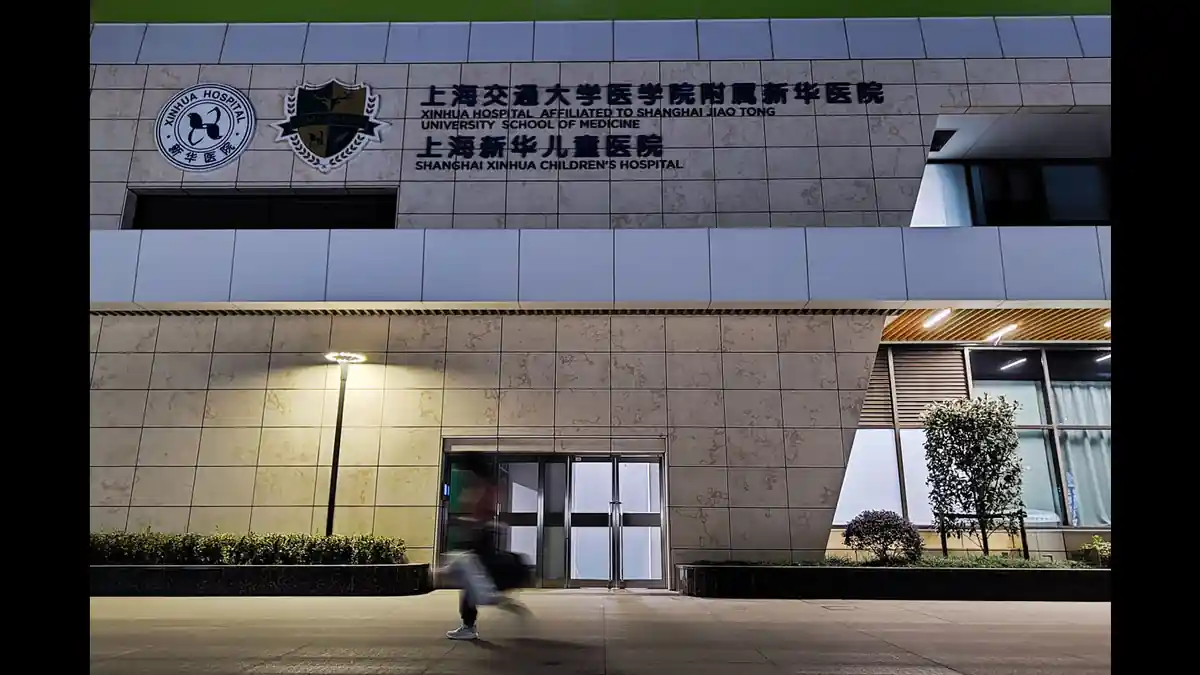
To bankroll the trial of one - which cost $860,000 for medical procedures - Mei's parents, Jason and Linda - a pseudomnym of their own were called - drained their own accounts and maxed out lines of credit in an attempt to provide financial aid to their sick daughter, who they brought to Xinhua Hospital, which is linked to the Shanghai Jiao Tong University School of Medicine and which is home to China’s only pediatrics branch as well as previous medical firsts.
The problem all stemmed from a single DNA modification – a T base where a C should have been – that’s impeding Mei’s developing intellect. Mei was starting to fall behind her kindergarten-mates in other words, as evidenced by her continuing sentence-short and reliance on special learning chopsticks long after others were getting by on. One copy of an informed consent document that the hospital obtained from her and had drafted in terms children would understand suggested that Mei “have minor mistake in the book,” and the condition might just get “serious as the time will be delayed.”
A prominent neuroscientist at the university of school's Songjiang Research Institute named Zilong Qiu is primarily behind the treatment with a stated goal of establishing what would've become the world’s leading Gene Therapy for direct action inside the brain.
The goal was that the doctors rewrite the existing problematic Gene so the neurons in her body to can produce a protein the missing protein that her body can currently make.
According to the investigation that the hospital would not get explicit national-level approval needed from China’s government.
“Definitely Related” Case The Report Mei died within 1 week due to her suffering severe side-effects to this infusion. When the hospital hospital’s bio-ethics research committee put up an internalreport on this case, it stated that Mei was “definitely related to the experimental therapy due to’ the experimental medicine. However, a few months after Mei died, Qiu and his team published a paper based on experimental studies on animals in nature (2023 Feb 1).
They had not once pointed out any risks that Mei experienced, or the fact that there is likely a connection between Mei’s death and their treatment; they gained great prestige at the beginning because no one seemed to know more about this incident.
The paper is still not corrected, nor did it include an errata and the disciplinary measure was never implemented. The family did not receive any compensation. The experts commenting for the science and retrospective watch mentioned various concerns; 7 biologists and ethics specialists that were looking at Mei’s story for science & retrospective watch believe that the authors had underestimated the danger to the parents of Mei; they appeared to ignore other animals in their previous animal experiments who exhibited similar symptoms to that of Mei’s. They seem to believe Mei’s chances to see progress in her illness were little to nil; they nevertheless pressed on.
The Shanghai Jiao Tong University School of Medicine issued a statement earlier this month in the wake of the allegations saying it "attaches great importance to the matter" and has set up a special working group to undertake an in-depth probe into the event. Before the joint media inquiry it announced that it had no knowledge of particular details regarding the issue. Dr Joy Zhang, a sociologist at the University of Kent, whose research focuses on scientific culture in China said it highlights "the ongoing discrepancies between stated ethical regulations around research and practices".
China had already strengthened its biomedical research regulations in 2021 amid global outrage following the world's first gene edited babies frombiophysicistHe Jiankuiin 2018, who also committed unethical practices and standards.
This raised questions about the Chinese system.
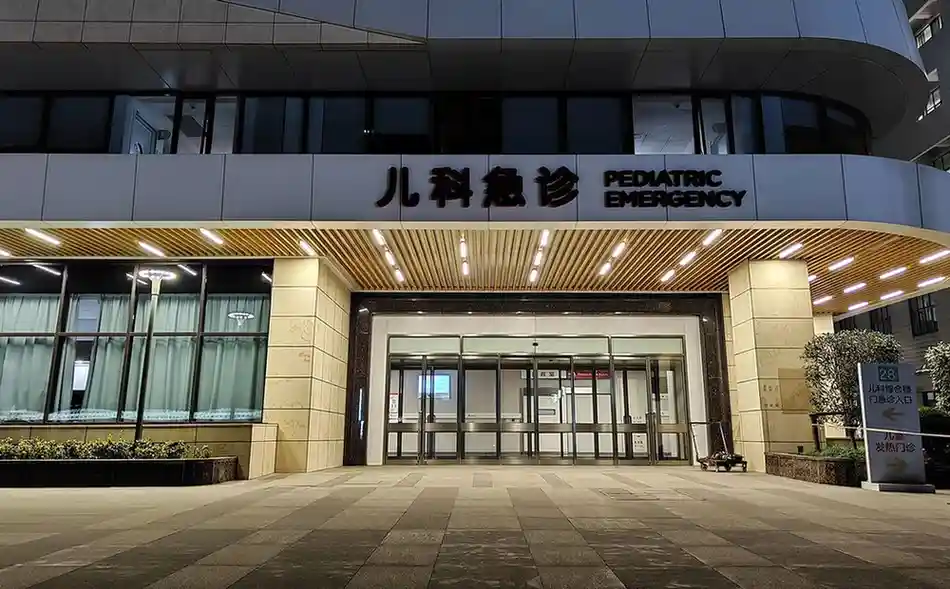
Photo: @WANG GANG/COSTFOTO/BARCROFT MEDIA VIA GETTY IMAGES