The precarious ceasefire that temporarily stopped the warfare between the United States and Iran is no more, as the two nations have found themselves caught up in an increasingly deadly cycle of bombing and counterbombing that has expanded to encompass much of the Gulf region.
As of Friday, July 17, the United States has conducted a sixth straight day of bombings against Iran, which in response has begun attacking Jordan, Qatar, and Kuwait, as well as hitting US military targets in Bahrain and Syria.
US Central Command stated that their last significant air strikes against Iran had concluded by 01:40 GMT on Friday. It should be noted that there is little information available about the particular facilities destroyed during these military activities.
According to Iran, the death toll has already been high. Iranian authorities announced that the human casualties include 38 deaths and over 400 people wounded in the course of US operations since the two parties started negotiations in Switzerland on June 22 aiming at ending the war after 60 days of negotiations.
This bombing operation has focused mainly on the south of the country.
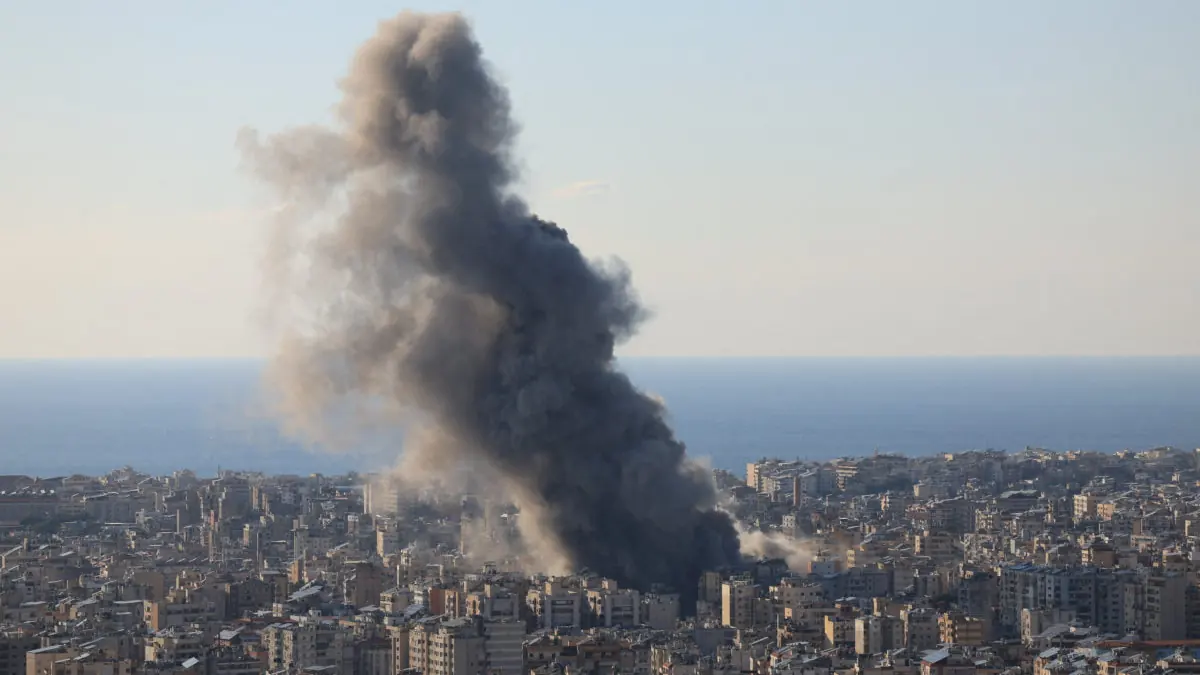
As for the particular targets, the list includes facilities across southern Iran: southwest, Persian Gulf coast, and southeast close to the borders with Pakistan. Overnight air strikes have hit the critical infrastructure of Iran, such as civilian infrastructures in the south of the country, which include telecommunications, railway infrastructure, and the Bandar-e Khamir bridge in Hormozgan province.
At least seven people died because of these bombings.
Bridges have turned out to be another common target.
Multiple bridges located in the Hormozgan province of southern Iran have been attacked, most of which have roads that lead to the Bandar Abbas, an important coastal city located near the Strait of Hormuz.
In addition, an attack has also been carried out on a railway junction situated in the same strategic coastal city. The government of Iran has been very critical about this offensive, with its foreign ministry accusing the US of committing acts of war crimes and asking the United Nations Security Council to hold the aggressor responsible.
The offensive by Iran is not only limited to attacks on the American forces but has taken on a much wider scope involving several neighboring countries. Bahrain, Iraq, Kuwait, Oman and Qatar, along with Jordan and Syria, were compelled to defend themselves from attacks by missiles and drones of Iran during the sixth day of the attacks made by the US forces.
Qatar, where there are several American bases operating in the country, has been adversely affected. The two warnings have been issued within an hour as a result of Iranian missile attacks against the country. The projectiles have been successfully intercepted, but unfortunately, one individual was injured as a result of falling shrapnels when they were intercepted mid-air over Doha. The explosions have been heard all over Doha following sirens that have sounded and the threats sent via mobile phones.
In Kuwait, there have been drone attacks in the area. According to the Defense Ministry of Kuwait, 32 drones have been intercepted since dawn till Thursday morning. There has been damage to residential areas through falling shrapnels, but no casualty has been reported yet. In Bahrain, there have been sirens of air raids in the morning and the Ministry of Interior has requested people to stay calm and take cover.
Another country to be claimed as being attacked is Oman. The Revolutionary Guard of Iran reported on Friday that the country had bombed an American air radar at the Ghanim district of Oman, along with a maritime radar located on the rocks near the Strait of Hormuz.
The Secretary General of the Gulf Cooperation Council, Jasem al-Budaiwi, denounced what he termed as "treacherous" attacks by Iran against Bahrain, Kuwait, and Jordan, among others.
In addition, the UAE has become involved in the maritime aspect of this war. This week, the Gulf states, which include UAE and Bahrain, were attacked by Iran. The UAE ministry of defense reported that two ships belonging to the UAE, namely the Mombasa and Al Bahiyah, were hit by Iranian cruise missiles.
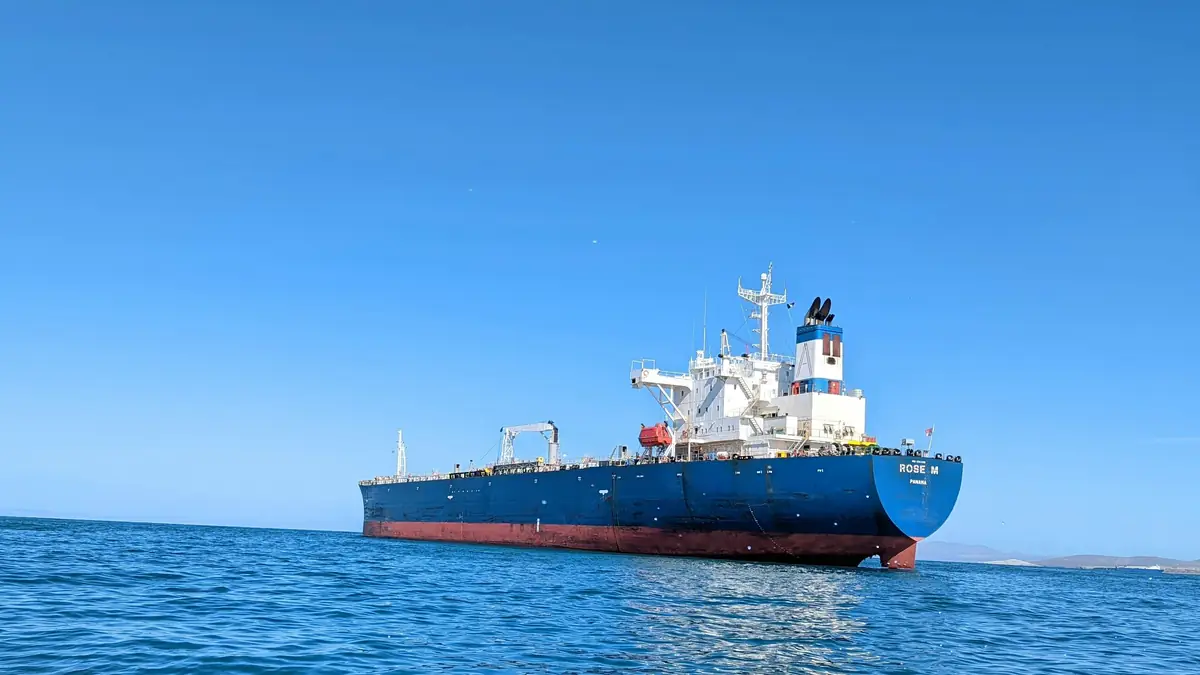
The conflict has caused major disruptions to one of the world's most vital energy supply corridors. Ship movements via the Hormuz Strait have fallen by as much as 52 percent week-on-week from July 10 to 12 this year, reports Kpler, as ships revert to more defensive routing practices and favor Iranian and dark routes over Omani corridors approved by the International Maritime Organization. War risk premiums for the strait are likely to jump dramatically, according to analysts at Lloyd's List Intelligence, as shipowners and charterers hold back on decisions to pass through.
There continues to be a US naval blockade on the Iranian coast, while Iran has threatened shipping infrastructure in response. According to Iran's semi-official news agency, Fars, Tehran has threatened that it might attack a chain of regional ports in reaction to US attacks on the Iranian port of Chabahar, claiming that five regional ports hosting US interests fall within its range of retaliation.
The domestic impact of the war can also be seen in the everyday lives of Iranians, as Iran's Energy Ministry has asked the country's citizens to reduce the consumption of
in an attempt to ensure a steady supply of electricity to the southern regions of the country amid a series of strikes that have led to widespread electricity blackouts.
The worsening situation has not gone unnoticed by international aviation authorities.
The European Union Aviation Safety Agency issued a warning to commercial airlines to stay away from the airspace of Bahrain, Kuwait, Qatar, the United Arab Emirates, as well as part of the Gulf of Oman, with the advisory to remain in effect at least until July 29.
Though both sides have continued their strikes for close to a week now, there has been no indication yet that Washington or Tehran is ready to make concessions. There have been no indications yet that Washington and Tehran have made any progress diplomatically in the last week of ongoing strikes.
Tehran has justified its attacks on the Gulf states, stating that they fall under the category of self-defense because the US bases in the region have been used as platforms for attacks on Iran, thus making them a valid target for Iran's defensive strikes.