Late on Friday, US Central Command posted on X that Rewards for Justice, a State Department program, is offering up to $20 million and possible relocation for information about Iran's nuclear program. The post spelled out what it was after: facilities, equipment, the people attached to them, scientists included, and any movement of those things.
Flyers in Arabic and English went out alongside it, according to Mediaite. Indian outlets, ETV Bharat among them, put the top payout at roughly Rs 188 crore.
Rewards for Justice has been busy with Iran this year. In March it advertised up to $10 million for information on senior Revolutionary Guards figures, and in May up to $15 million for the IRGC's financial networks. The nuclear file now gets its own number, and it is the biggest of the three.
Donald Trump has said again and again that Iran's nuclear program was obliterated. Paying $20 million for information on something that no longer exists is a strange look, and critics said so within hours. Mediaite's roundup of Friday-night reaction was headlined with the word "embarrassing."
As of Saturday, officials had not publicly explained how the two positions fit together.
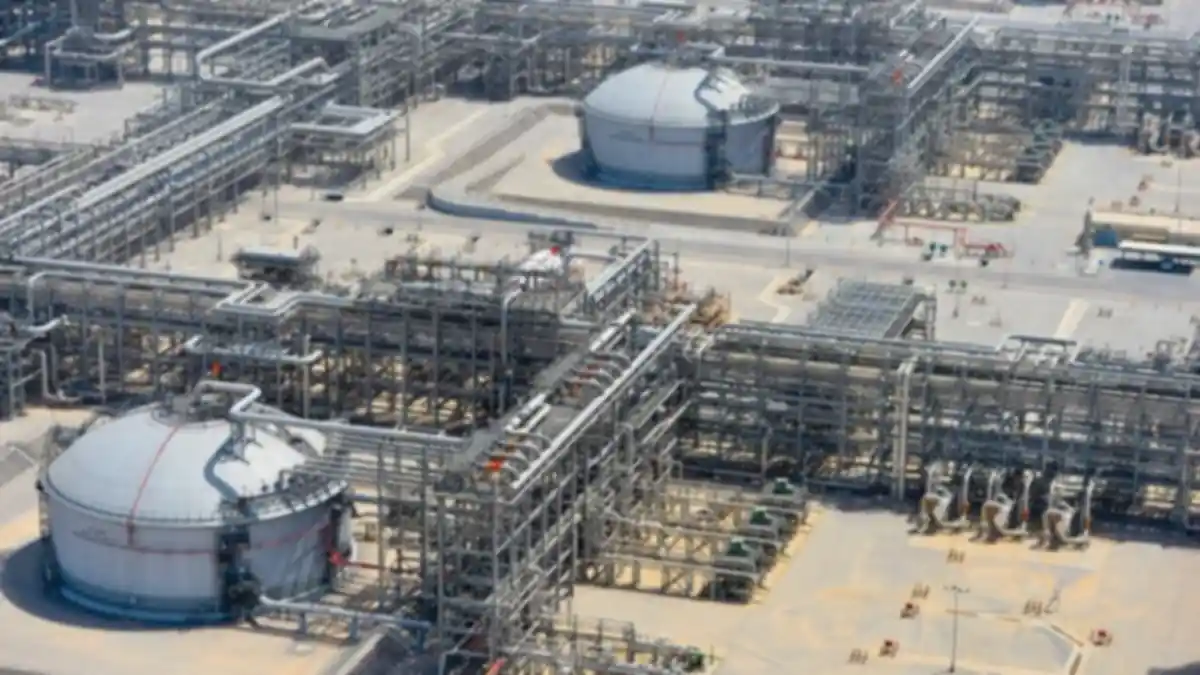
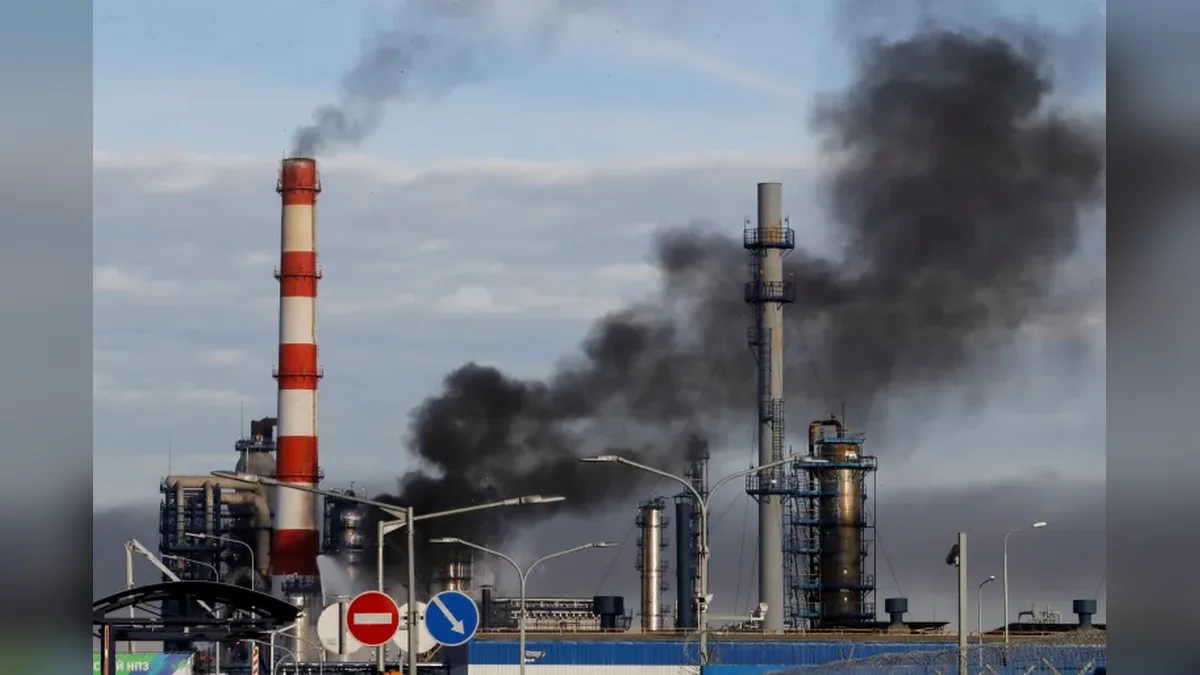
The wording of the offer gives some clue. It is broad. Buildings are one thing, and buildings can be bombed flat. Equipment, scientists and material can be moved, hidden, rebuilt somewhere else. The reward asks for all of it.
There is also the uranium. The International Atomic Energy Agency puts Iran's stockpile at 440.9 kilograms enriched to 60% purity. That is a short technical step from the 90% used in weapons. Tehran says its program is peaceful. Whatever happened to the sites, that stockpile is the item any future agreement has to account for, and AP reports it would sit at the center of the talks once they begin.
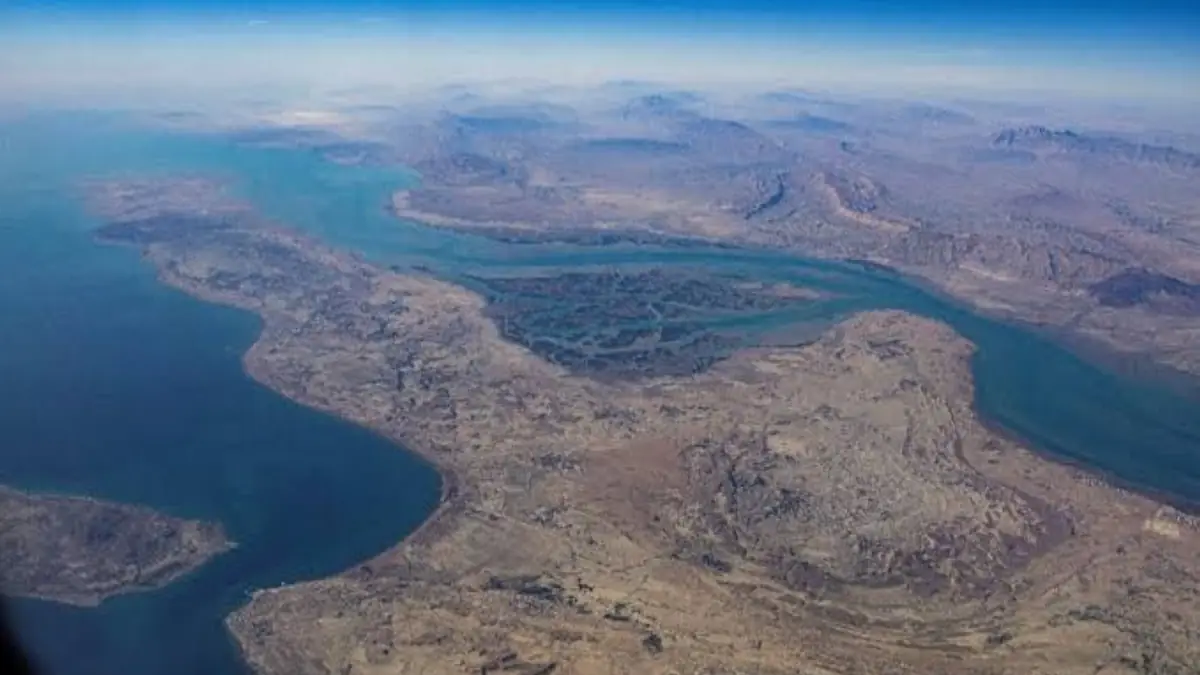
Hours before the reward went public, Trump said the US military had carried out new limited strikes on Iran, hitting an air defense system. Reuters described it as the first military action since the Republican midterm losses. Gulf News carried reports of explosions near the Strait of Hormuz.
At the same time, two regional officials told AP that Iran is looking at proposals handed over by Qatar, the chief mediator in the war, now more than eight months old.
The outline is a bridge deal. Over two days, both sides would take trust-building steps. The US would lift its blockade and release part of Iran's frozen funds. Iran would let IAEA inspectors into sites the US and Israel bombed, then reopen the Strait of Hormuz under a modified arrangement it reached with Oman. That arrangement has not been approved by Washington, and it would be temporary. After that, the real nuclear talks.
One of the officials was blunt about the catch. Iran is not ready to negotiate on its nuclear activity until the US accepts several conditions, and none of them are small: an end to the blockade of Iranian ports, lifted sanctions, unfrozen assets, compensation for war damage, and a halt to hostilities across the region, including Israeli operations in Lebanon. Trump has turned down versions of these before.
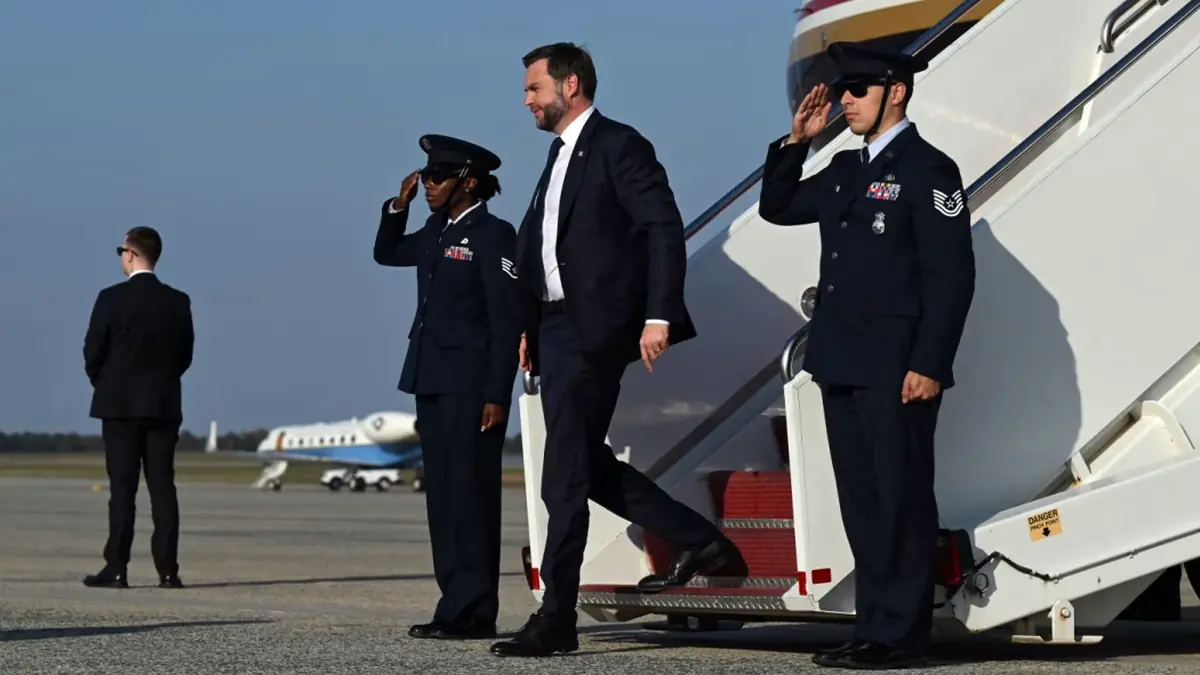
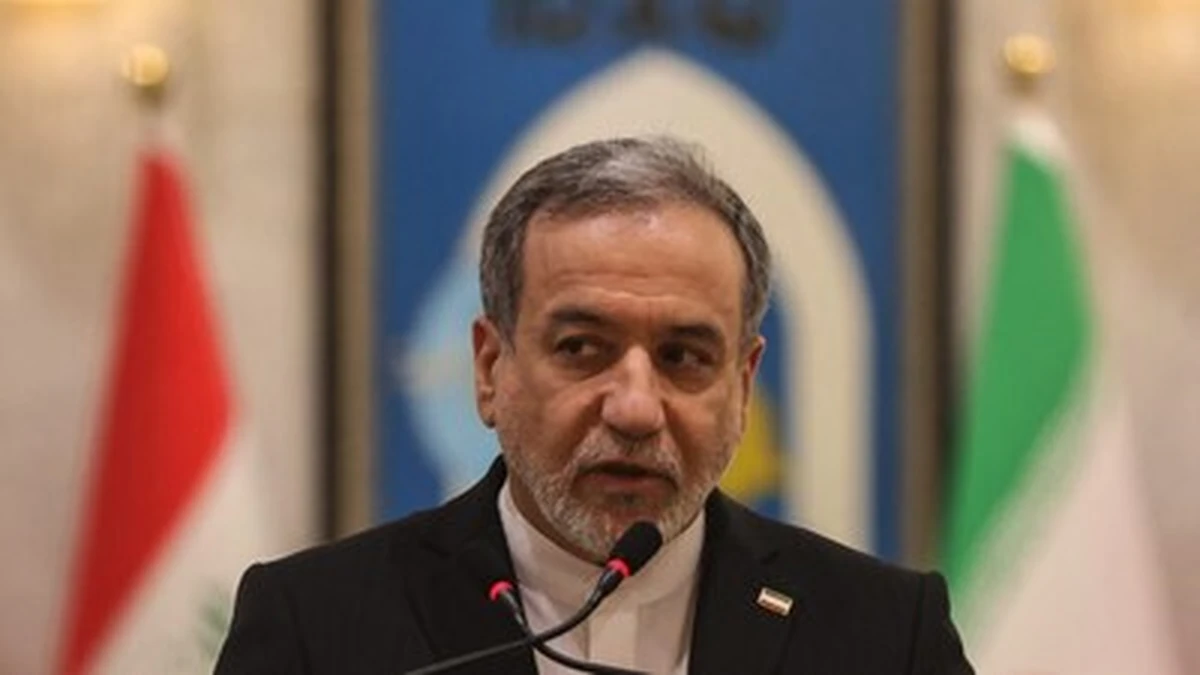
Phones were busy on Friday. Trump spoke with Qatar's emir. Defense Secretary Pete Hegseth spoke with his Qatari counterpart. Iran's foreign minister, Abbas Araghchi, called counterparts in Iraq and Tunisia, and Egypt's foreign minister urged both sides to show flexibility so the region does not slide into another round of escalation.
Timing matters here. Republicans lost both the House and the Senate in Tuesday's midterms, and AP notes that voter anger over how the war has been run, plus higher fuel prices, played a part. Three days later, the administration is advertising a bounty while its mediators are shuttling proposals.
Trump insists the US military is in control of the conflict and that Iran is battered. Asked on Friday about the talks, he told reporters: "We are talking to Iran. We have been."
Whether Iran formally accepts the Qatari framework is the first thing. If it does, the next signs would be concrete ones: IAEA inspectors at the bombed sites, movement on the blockade, ships through Hormuz. Nobody has confirmed any of that is scheduled.
The reward is a separate matter. Rewards for Justice does not usually say who claimed a payout, or whether anyone did, so an answer to what it produced may never come.