On Wednesday, a Delhi High Court bench led by Chief Justice Devendra Kumar Upadhyaya and Justice Tejas Karia issued notices to the Centre and the Delhi Police on three separate petitions accusing the force of using disproportionate at times, petitioners say, brutal force against student protesters on July 20.
The court didn't rule on anything. It didn't need to, not yet. What it did was simpler and, in its own quiet way, more consequential: it told the police to preserve every scrap of footage from that day. CCTV.
Body-cam recordings. PCR logs. All of it, locked down until the judges can look for themselves.
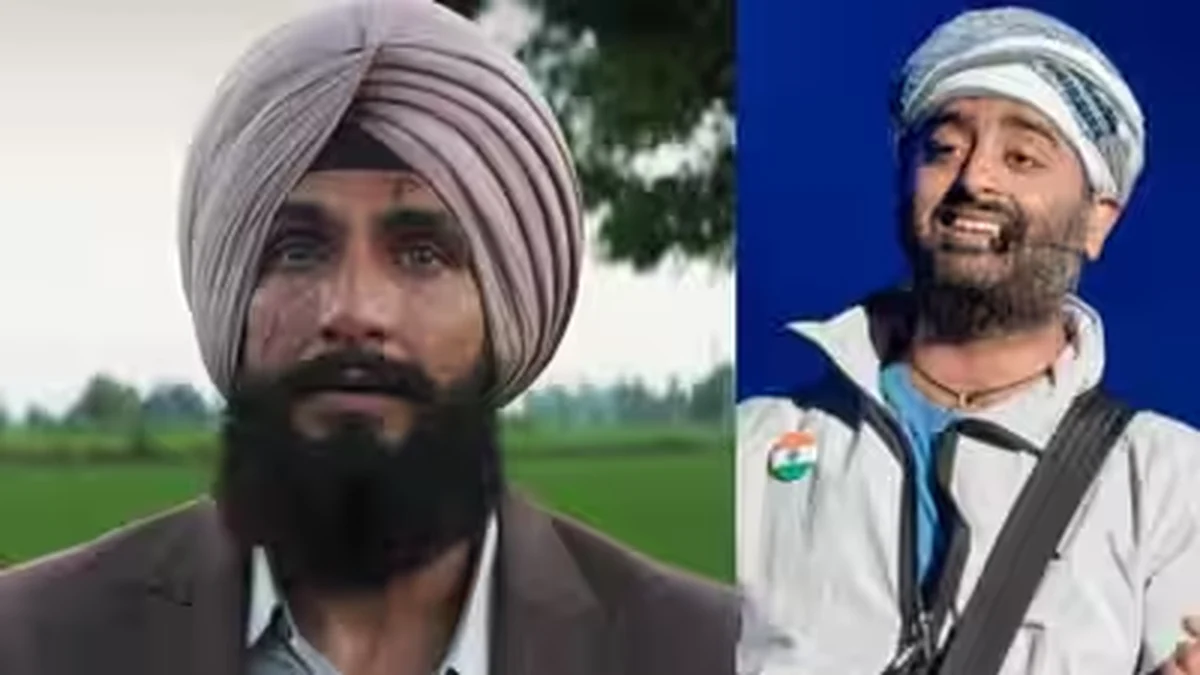
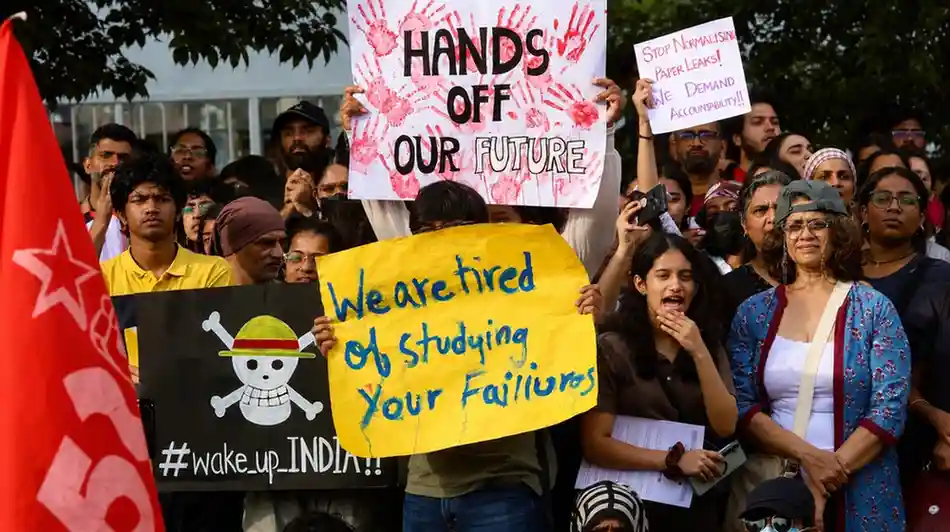
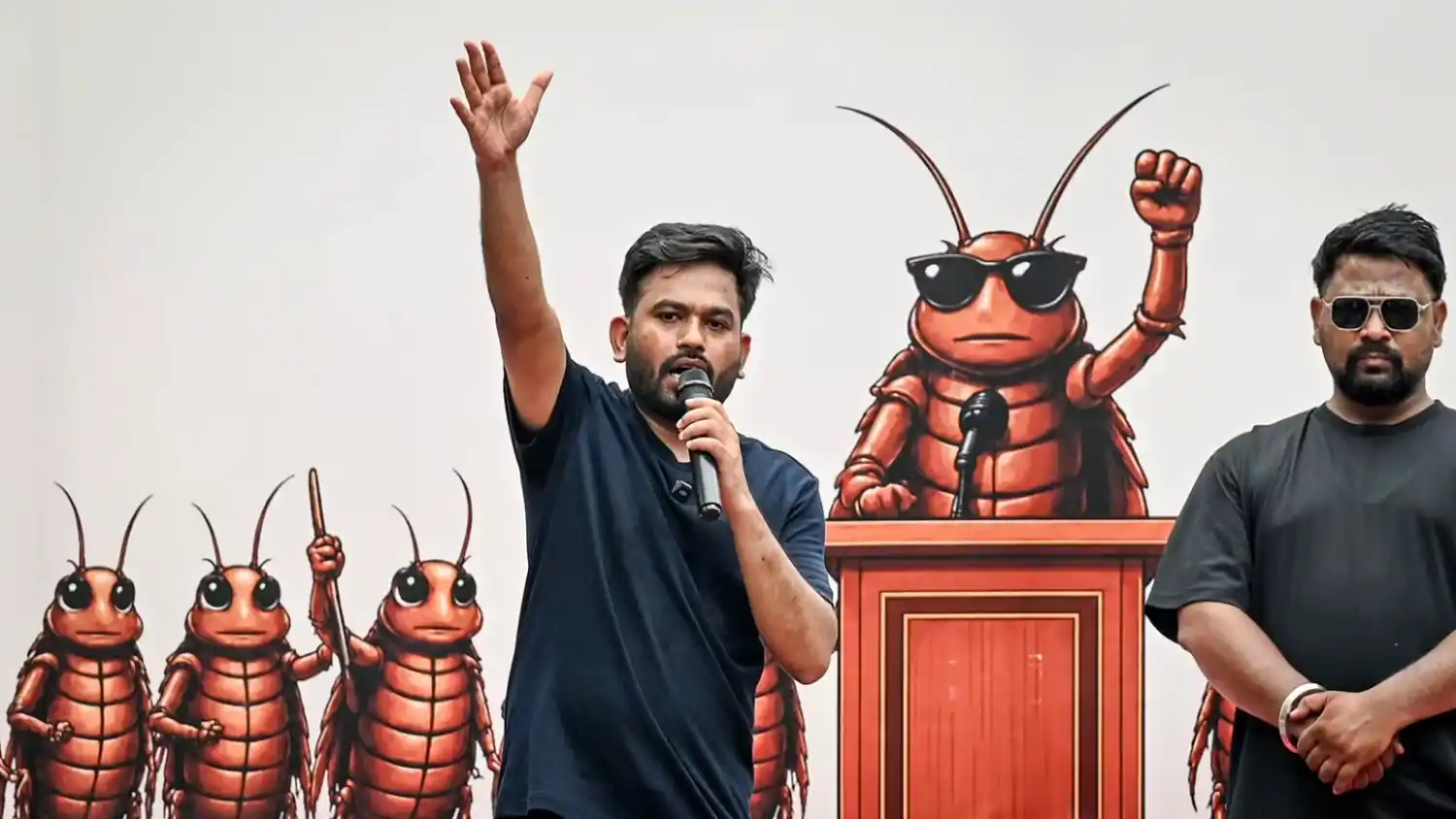
The protest belonged to the Cockroach Janta Party, a movement barely two months old that grew out of a Supreme Court judge's offhand remark comparing India's youth to cockroaches.
What began as satire hardened fast into something else a genuine youth revolt over alleged paper leaks in the NEET medical entrance exam, and a demand that Education Minister Dharmendra Pradhan step down.
Activist Sonam Wangchuk's three-week hunger strike, which ended when police forcibly hospitalised him, poured fuel on it.
More than 10,000 people tried to march on Parliament that Monday.
They didn't get far. Police say nearly 180 people were hurt in the clashes 60 protesters, 118 of their own personnel and that 70 demonstrators were detained, with at least nine FIRs registered over stone-pelting and vandalism. CJP founder Abhijeet Dipke tells a different number: 150 of his people wounded, he says, by tear gas and canes.
What's not in dispute is the footage now circulating online, showing police striking protesters. None of it shows the reverse.
Getting the High Court to even look at the case took some doing. On Monday, the same bench had waved away an urgent plea with a curt aside don't drag the court into this, it'll come up tomorrow.
Hours earlier, the Supreme Court had done much the same; Chief Justice Surya Kant told the petitioners, more bluntly, not to waste the court's time or their own.
By Tuesday, though, one petition was allowed urgent mention on the grounds that the incident had "shocked the conscience of the entire nation," and the tone shifted. Additional Solicitor General S.V. Raju, appearing for the Centre and Delhi Police, questioned whether the petitions should even be entertained surely, he argued, individual victims should file their own complaints. Chief Justice Upadhyaya wasn't persuaded.
Even if the gathering had turned unlawful, he noted, the law lays out a specific procedure for dealing with that. This wasn't some isolated scuffle. It didn't need ninety separate FIRs to be taken seriously.
Senior advocate Gopal Sankaranarayanan told the bench he'd gone through roughly 130 verified videos himself. His finding: several personnel involved weren't in uniform, and others wore no name badges at all a basic accountability requirement often ignored in the heat of a crackdown.
In one clip, he alleged, an Additional DCP is seen slapping a woman protester.
Senior advocate N. Hariharan, representing another set of petitioners, argued the march had started peacefully, well within the bounds of the constitutional right to assemble, and asked for an independent probe a Special Investigation Team, not the Delhi Police investigating its own.
The court hasn't endorsed any of this. It said so explicitly: no view on the videos, no view on the merits, at this stage. It simply wants the record intact by the time it does look.
Away from the courtroom, the politics haven't cooled either. BJP president J.P. Nadda reportedly extended an invitation for talks this week. The CJP turned it down, insisting instead on a neutral venue near the protest site itself and holding firm on Pradhan's resignation.
A nationwide protest has now been called for Thursday, July 24. Separately, another petition this one alleging foreign funding behind the movement and seeking an NIA probe is listed before the same High Court that day, adding a second, more combustible thread to an already tangled docket.
Opposition leaders have leaned in hard.
Rahul Gandhi has called the Prime Minister the country's most "anti-youth" leader yet; Akhilesh Yadav pressed Wangchuk to end his fast while backing the protesters' underlying demand. The government, for its part, maintains the assembly turned unlawful and that force was a response, not the starting point.
The Centre and Delhi Police now have four weeks to file their counter-affidavits, with petitioners getting two more to respond. The next hearing is set for September 11 a date that, for now, is doing a lot of quiet work, holding a volatile situation in legal limbo while cameras, badges, and a great many phone videos wait to be examined in daylight.