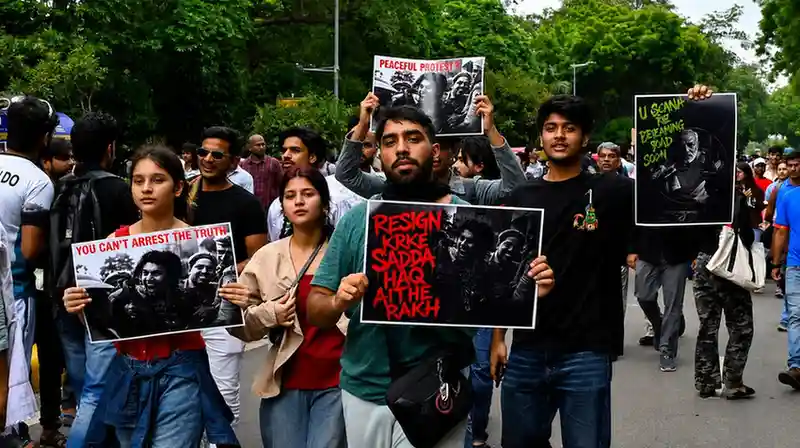
This confrontation between the CJP and the Union government has heated up rapidly, with the youth movement rejecting the latest attempt by the Centre to engage in dialogue with them and asking citizens across the country to go out onto the streets in protest on July 24 instead.
Starting off as a protest movement limited to Jantar Mantar in New Delhi, it has rapidly evolved into a national focal point for the outrage against the supposed leak of NEET papers in the space of just a few days. The convenor of the CJP, Abhijeet Dipke, called upon the protestors to "take this agitation beyond Delhi" and asked all citizens to stage peaceful protests in all cities and villages of the country.
The shift in their approach from a highly localized protest movement to a national campaign indicates that they consider localized protest movements to be inadequate means to put pressure on the government.
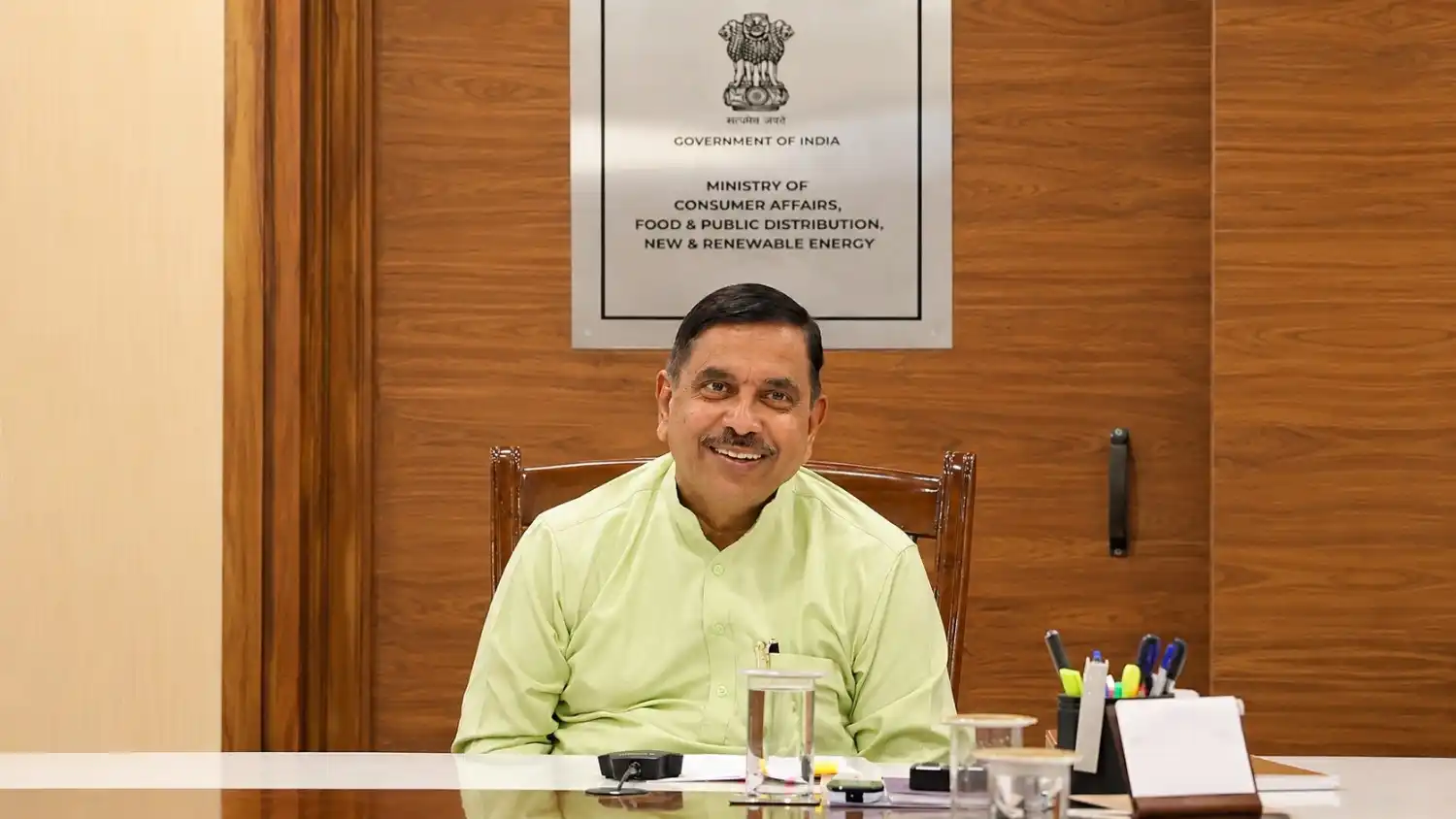
While the Center has been trying to maintain its facade of openness amid mounting protests against it, Singh informed us that four formal offers have been made by the government to discuss matters with the protest leaders since the previous evening.
Singh described this as an “invitation extended to the youth representatives” to engage in dialogue on all subjects whenever they wished. Even Union Finance Minister Nirmala Sitharaman came out to address the protests, saying that the government has arrested the accused in the paper leak case and also promised to try the case in fast-track courts. However, despite these many requests, the CJP so far has refused to accept the formal offer of talks, a move that clearly reflects the huge trust deficit that exists between the protesting community and the state.
While the movement was formed due to alleged rigging in the national examinations, this rejection from the side of the protesters reflects the belief that it is not enough or may be a strategy to stop their movement.
Making things worse, the CJP has claimed that the authorities have disabled internet connections around Jantar Mantar, which has led to suspicions regarding a looming clampdown on activists and supporters. In his social media posts, Dipke asked whether it was the beginning of "another brutal crackdown" because of the lack of internet connections and, separately, pleaded to the police and paramilitary forces not to obey orders to use force against what he considers to be innocent protesters.
The authorities have not explained the reasons behind the internet connection disruption publicly, although such decisions have traditionally been attributed to precautions meant to avoid the coordination of violence and dissemination of misinformation among large crowds of people.
Civil liberties defenders, on the other hand, tend to be highly suspicious of such actions, saying that they effectively prohibit peaceful protesters from organizing their activities, recording incidents, and communicating with the outside world, without preventing bad guys from creating chaos.
It is clear that the extent of the possible disruption has already started changing the lifestyle in the capital city itself. The New Delhi Traders Association has released an advisory stating that shops, offices and restaurants located in Connaught Place - the main economic area - would be forced to close at early evening as per instructions received from local municipal authorities regarding the critical situation developing in the area surrounding the protest camp.
Clearly, the protests themselves have gone way beyond being just a student movement, becoming an issue involving commerce, transportation, and public order at the same time. At the same time, the protest movement has gained a wide range of supporters among public persons.
Thus, the famous social activist Anna Hazare has reportedly embarked on a silent protest in support of the students, while Bollywood stars have openly expressed their solidarity with the protesters. Even foreign celebrities have taken sides with the students, thus adding even more to the popularity of the story: the US actor John Cusack has declared his solidarity with the demand of the students to hold someone responsible for the leaked exam.
However, the root cause of the deadlock lies in a credibility issue that may not necessarily be resolved through dialogue alone. While the ministers are painting the picture of the government’s door being open, the demonstrations have come under scrutiny because of allegations of aggressive police crackdowns, with prior instances of reports that the police had threatened protesters to keep off from the protests with concocted drug charges.
Thus, when an olive branch of dialogue is extended by the government, it is viewed by protesters as an attempt to improve the movement’s image while the methods of oppression that made them suspicious in the first place persist. Furthermore, it was necessary to conduct a fact-check when dealing with misinformation about the protest movement.
This was after a news report circulated on social media suggesting that the National Security Act had been changed so that the government could arrest people supporting the CJP-led protest movement.
However, the government clarified that the detention powers in question predated the current situation and were not created just for the purposes of stopping the demonstrations. This requirement highlights the level of misinformation that has emerged concerning the protests in Delhi.
With CJP’s demand for nationwide protests on the anvil, what transpired in Delhi today may be seen as a turning point rather than a solution. A peaceful and well-coordinated series of protests in several cities will increase the political cost of doing nothing for the Centre, while any attempt at confrontational policing – especially through a viral video, as was the case once before in this controversy – will serve to further harden public opinion against the way the government has handled the situation. On the other hand, if the repeated attempts by the government to talk have finally succeeded in bringing some of the protestors to the negotiation table, then even an initial de-escalation can provide some breathing space for sorting out the real issue – the accountability in connection with the NEET paper leak and the need for making changes to the examination process to ensure that such an episode does not happen again.