New Delhi has hosted BRICS summits before. Never one with this much baggage attached to it.
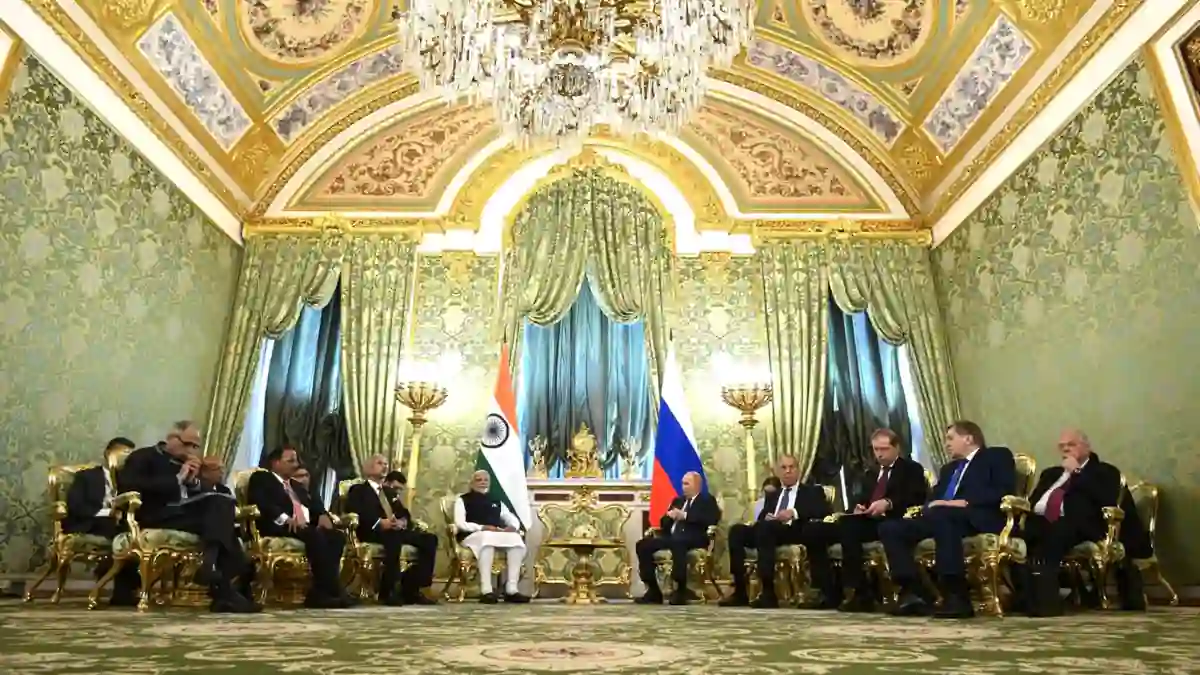
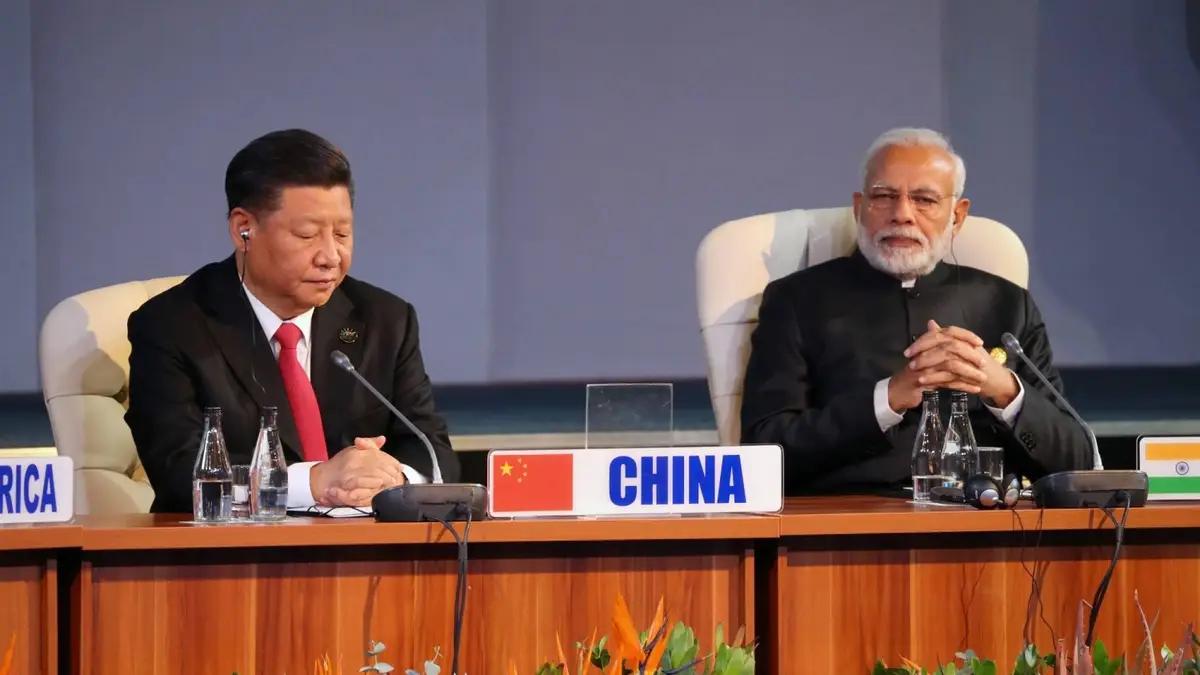
On September 12 and 13, Prime Minister Narendra Modi welcomes leaders from eleven member countries to Bharat Mandapam for the 18th BRICS Leaders' Summit. It's India's fourth turn at the chairship since the bloc started. Vladimir Putin's coming, that part's confirmed. Xi Jinping is expected too, though as of this week Beijing still hadn't made it official, which is very on-brand for how these things tend to go. If he does show up, it's his first trip to India since 2019, back when he and Modi had that informal sit-down in Mamallapuram and nobody, honestly, had any idea what was coming.
What was coming was Galwan. June 2020. A brutal, mostly hand-to-hand clash along the Line of Actual Control that killed soldiers on both sides and froze the relationship solid for years afterward. Trade kept limping along in the background, sort of, but trust didn't come with it. It's taken this long, plus a 2024 disengagement agreement, just to reach a point where a Modi-Xi meeting on Indian soil feels like a real possibility instead of a photo-op fantasy.
Officially, the summit runs on India's chosen theme this year, "Building for Resilience, Innovation, Cooperation and Sustainability," which if you squint spells out R-I-C-S. Cute. Under that sits the usual BRICS menu: trade cooperation, development finance, digital infrastructure, reform of global institutions that member states feel don't represent them the way they should.
The India-China track is where things actually get interesting, and it's messier than any theme slogan lets on. New Delhi is expected to push Beijing on export restrictions hitting rare-earth magnets, battery cells, solar components, specialized power equipment, the inputs Indian manufacturers can't just source somewhere else on short notice. This isn't abstract. India's own auto industry has already had to scramble for alternate suppliers because rare-earth magnet shipments from China kept getting delayed.
The numbers make it clearer why this keeps coming up. India brought in close to 54,000 tonnes of rare-earth permanent magnets last fiscal year. Ninety-three percent of it came from one country. China also handles something like 90% of global processing capacity for these materials, so it's not just a supply issue, it's a bottleneck issue. India has bids out for domestic magnet plants, twenty came in on a government tender back in August, but building a real industrial base from scratch takes years. Not months. Until then, New Delhi more or less needs Beijing to keep the tap open even while it's trying to wean itself off it.
None of this is happening in a vacuum, obviously. National Security Adviser Ajit Doval sat down with China's Foreign Minister Wang Yi in Beijing on August 28, the 25th round of talks at that level (twenty-fifth!), and both sides walked away with what they're calling an eight-point framework for future dialogue on the boundary dispute. Nobody's calling the border settled. Nobody's pretending it'll be settled this weekend either. But apparently the framework gave Beijing enough comfort to start seriously weighing whether Xi actually makes the trip.
India's posture through all this is careful, almost deliberately so. External Affairs Minister S. Jaishankar keeps describing BRICS as a venue for dialogue and cooperation, language that steers well clear of the anti-Western framing Russia and China sometimes lean into at these things. Indian officials repeat some version of the same line over and over: this chairship is about development and resilience, not confrontation, and it is absolutely not India picking a side between Washington and Beijing.
Whether that balancing act actually holds up is a fair question. Chinese commentary on India has gotten a little condescending lately, treating New Delhi's global ambitions as bigger talk than substance. Indian analysts, meanwhile, keep pointing at the awkward math underneath all of it: a BRICS grouping where the country with the most economic weight is also the country India has the most unresolved tension with. That doesn't just go away because everyone's smiling for the cameras in September.
The guest list runs well past the two headline names. South Africa's Cyril Ramaphosa, Egypt's Abdel Fattah el-Sisi, Indonesia's Prabowo Subianto, Iran's Masoud Pezeshkian, Ethiopia's Abiy Ahmed, all expected, plus leaders from Belarus, Kazakhstan, Malaysia and Thailand. UN Secretary-General António Guterres might come too, though that one's still not locked down.
India has run more than 350 BRICS-related meetings across upwards of 25 cities this year getting ready for this, which tells you something about how much weight New Delhi's putting behind the chairship. A finance ministers' meeting wraps up in Mumbai just two days before the leaders even land.
But for all the sessions on trade architecture and digital cooperation and whatever else ends up on the schedule, most of the attention this weekend is going to land on one photograph. Modi and Xi, standing next to each other, for the first time in years, in a country that has not forgotten what happened the last time things went sideways between them.
- India hosts the 18th BRICS Summit in New Delhi on September 12-13; Xi Jinping is expected to attend for the first time since 2019
- A Modi-Xi bilateral meeting is widely anticipated, five years after the deadly 2020 Galwan clash froze relations
- India is expected to push China on export curbs affecting rare-earth magnets and other critical technology inputs
- India sources 93% of its rare-earth permanent magnets from China, a dependency it's trying to cut through domestic manufacturing
- The 25th round of India-China border talks between Ajit Doval and Wang Yi wrapped up August 28 with an eight-point framework
- Vladimir Putin, plus leaders from South Africa, Egypt, Indonesia, Iran and other partner nations, are also expected in Delhi