The Azini isn’t a big ship. It’s a fishing vessel with a crew of 20, working a part of the sea where nobody expects them to be much noticed. The Navy says the vessel was hijacked by an armed pirate group earlier last month off the northeastern coast of Somalia. AP reported that the seizure raised fears of attacks on cargo ships, because pirates who take a fishing boat can use it as a base.
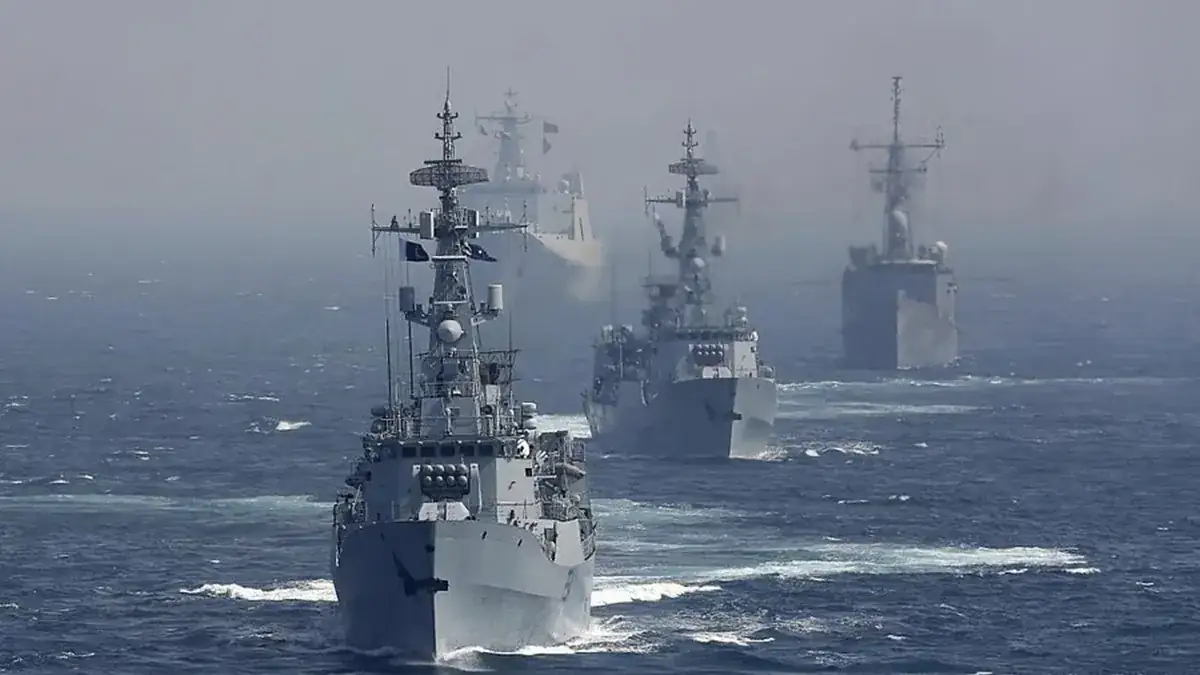
The Navy’s account is short and tidy. It tasked a mission-deployed warship, INS Kolkata, to intervene, supported by a maritime reconnaissance aircraft. Then came the part that makes this operation unusual. Marine Commandos were para-dropped by an Indian Air Force C-17 aircraft to carry out the operation.
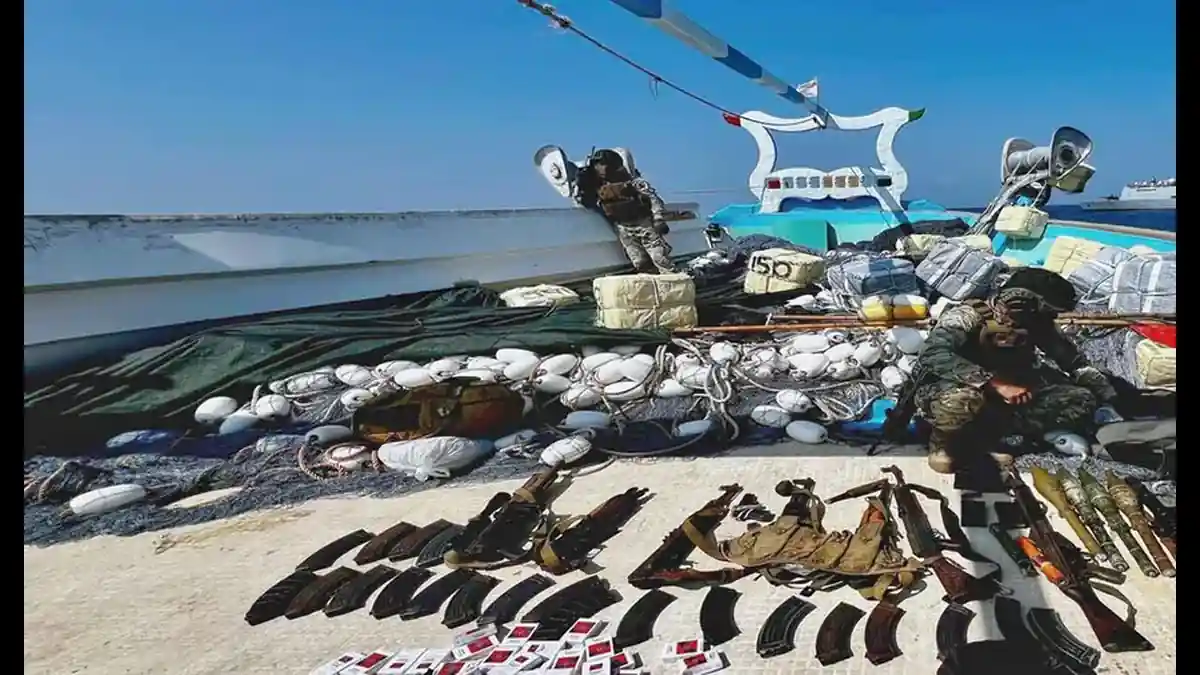
The Navy says that during the intervention, its personnel secured the vessel, overcame the pirates and ensured the crew’s safe release. A photo shared by journalist Sidhant Sibal shows Iranian sailors on the upper deck holding Indian and Iranian flags, with commandos standing guard over kneeling pirates and a seized cache of arms below. Reports from The Times of India describe the response as using “calibrated non-kinetic measures,” but I haven’t seen the details of what that meant in practice.
One outlet, The Sentinel, says a P8I aircraft and a Sea Guardian drone supported the ship, and that 12 armed pirates were aboard. Neither detail appears in the official statements I found, so I’d treat them as unconfirmed.
Rajnath Singh called the operation meticulously coordinated and said swift localisation, interception and safe release of the crew showed the Navy’s high operational readiness. He noted that the pirates were significantly armed and that the Air Force gave timely support.
Iran’s reaction is worth noting. Reports say the Iranian Embassy in India thanked the Navy for rescuing its seafarers. The Indian Embassy in Tehran said the rescue was a testament to India’s Mahasagar initiative, its policy of maritime cooperation in the Indian Ocean.
India has done this before. In March 2024, INS Kolkata also led the rescue of 17 crew from the hijacked merchant ship MV Ruen. An IAF C-17 airdropped Marine Commandos in that operation too, and 35 pirates surrendered after about 40 hours. India passed its Maritime Anti-Piracy Act in December 2022, which criminalises piracy and gives the Navy authority to act.
That track record matters because the Azini rescue comes at a tense moment. The Arabian Sea and the Gulf region are under pressure from the wider conflict involving Iran, and warships from several countries are watching the same waters. India clearly wants to be seen as the country that turns up first.
A few things aren’t clear. The Navy’s statements don’t say what happened to the pirates. Reports show them detained on the deck, but not whether they will face prosecution in India, be handed to another country, or be released. The exact day the Azini was seized is also vague, since reports only say earlier in October. And the Navy hasn’t explained how the pirates first got aboard.
For the 20 crew, those questions can wait. They are safe, and they got home alive.