Residents of Qeshm Island heard it before anyone in Washington said a word. Iran’s state news agency IRNA reported five explosions in rapid succession, and some residents reported seeing two aircraft overhead.
When the United States citizens were going to cast their votes during the mid-term elections on Tuesday, November 3, confirmation of the attack was already issued by the United States authorities.
US authorities revealed that the US has attacked Qeshm Island on Monday, confirming the previously unconfirmed reports about blasts at Qeshm Island.
This attack was part of a bigger pattern. The Wall Street Journal mentioned that the attack is just one of several limited attacks which Washington conducted against Iran in secret in the last few weeks.
The element of secrecy is something new. It has not been seen in previous stages of the war.
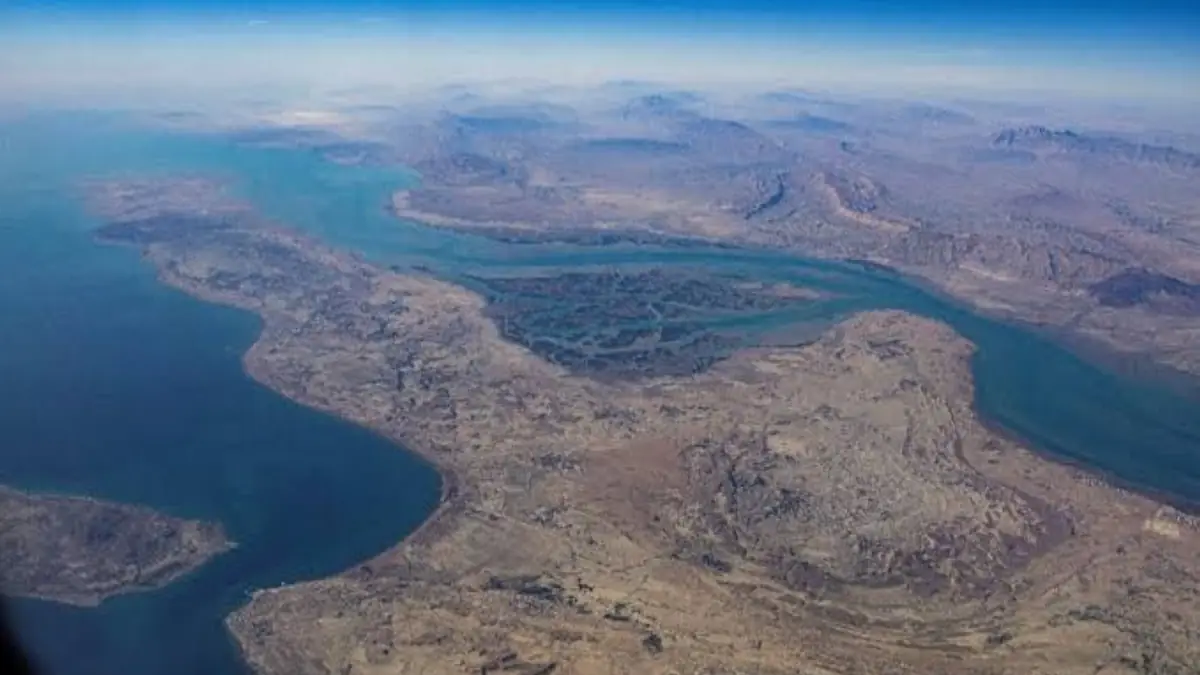
Qeshm Island is a major objective. It is the biggest island in the Strait of Hormuz, which is one of the busiest oil shipping channels in the world.
The place has seen action before. Qeshm Island was a target for US in previous phases of the war, and officials have talked about taking control of the area, according to the Journal.
Some officials explain that it is a defensive objective. Operations were meant to ensure that Iran did not get a capability to threaten/attack ships in the Strait of Hormuz.
But the statements made by the president in public were contradictory. "We had a war with Iran. We won," the president told the press on Monday.
He stated that the US has not been at war with Iran for months now and answered in the negative when questioned about attacks following the midterms, even as it was stated that he is considering all his options.
The contradiction is the issue here.
But diplomacy continues. Trump indicated some success in diplomatic talks with Iran regarding the conclusion of the conflict which is almost nine months old now. "Intensive" talks have led him to think that it "could happen".
Conditions have been set by Iran. According to an article published by Organiser, which is a right-leaning media, Tehran holds a seven-point proposal for ending the war.
This trend has seen continuity. In May, the US and Iran fired shots at each other in the Strait of Hormuz despite announcing a ceasefire. One of the locations attacked was Qeshm Island.
Iran has provided its version of events as well. According to Iranian media outlets, explosions have been heard early Tuesday morning in southern Iran, specifically on Qeshm Island and the coastal city of Bandar Lengeh.
Iran's Revolutionary Guard has come up with another version. It claimed that two US-made MQM-170 drones were downed by Iran in southern Qeshm, while the US MQ-9 drone was destroyed by Iran east of the strait, according to Press TV. The US has not verified those claims yet.
The Pentagon has not provided further details, directing any questions to US Central Command, which did not respond to AFP's query at once.
Gulf states have reportedly been told to prepare for a short, intense operation after the election, according to unnamed sources. The claim has not been confirmed on the record, and it sits uneasily beside the president’s public comments.
The report contradicts the words of the president. For many weeks, President Trump has maintained that a full-scale war may follow the election. However, his views have changed in recent times.
The markets have understood the message. For Trump, lower oil prices have been attributed to diminishing fear of war. But a strike against an island at the Strait of Hormuz complicates the scenario.
The political element comes into play as well.
A war which has lasted about eight months can become a matter of a campaign trail, while the one who declares its end might have reasons not to talk about it. Such reasons were not mentioned in the reports analyzed, and this is only an analysis, not reporting.
However, the conflict began after a major joint military operation between the US and Israel some time ago. By mid-March, according to Trump, the US managed to "totally obliterate every MILITARY target" on Kharg Island, Iran's main oil export center, while not damaging its oil facilities. Iran's UN ambassador estimated that the military strikes led to over 1,300 casualties in Iran.
After eight months of conflict, the hostilities have shifted from warfare to small scale operations. No casualty figures were mentioned regarding Monday's attack.
What we know on Tuesday is limited. US officials confirmed the strike on Qeshm Island, and Iranian media reported explosions. The Revolutionary Guard says it shot down US drones, a claim the US has not verified. The president says the war is won, and talks continue.
Trump remains president whatever the midterm results, so the open question is whether he chooses a deal or wider strikes once the vote is over. Officials say all options are open.
When there is a war declared over by the government but not by its army, reality wins out eventually.