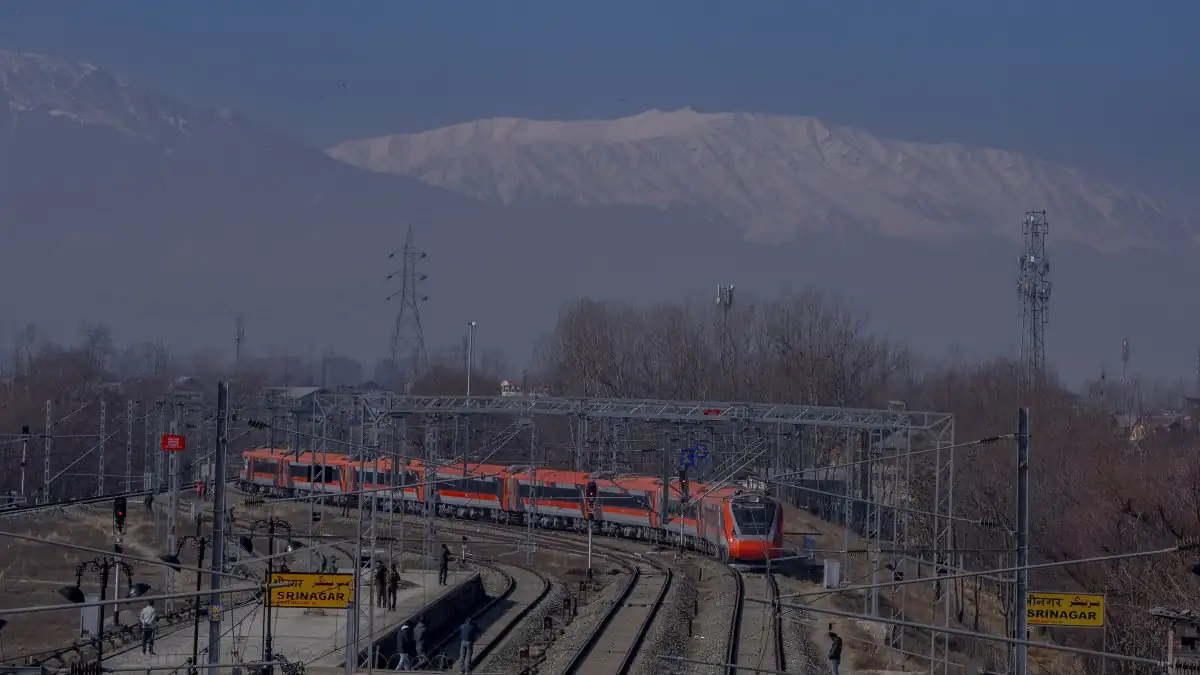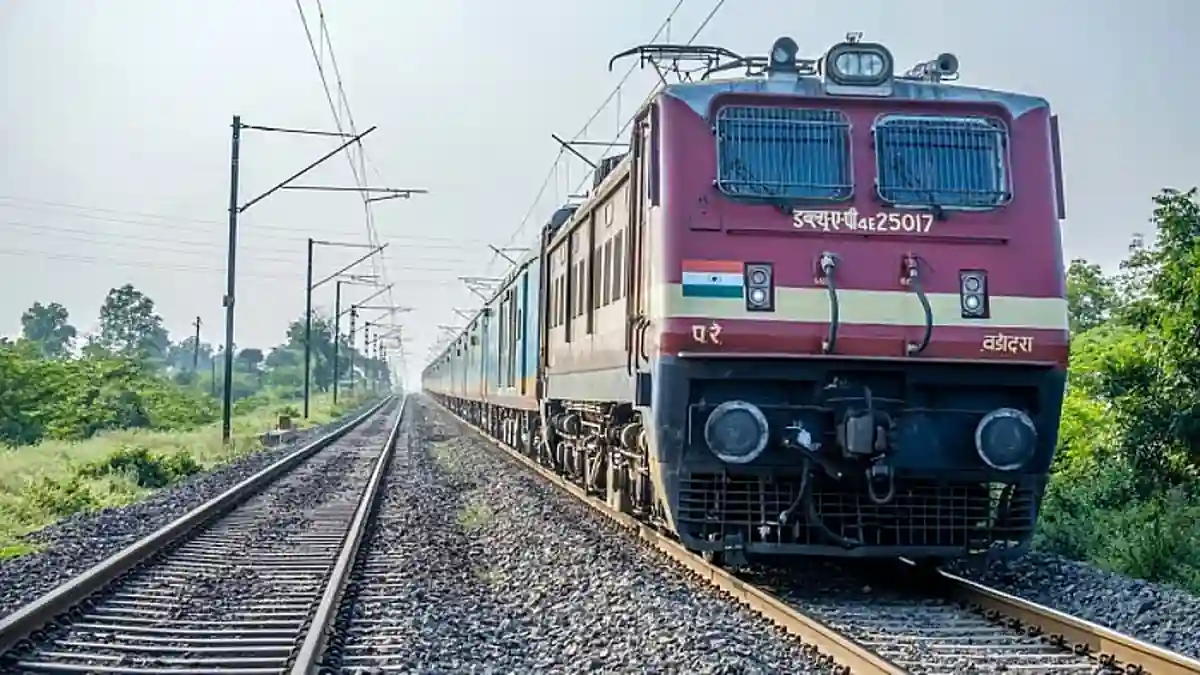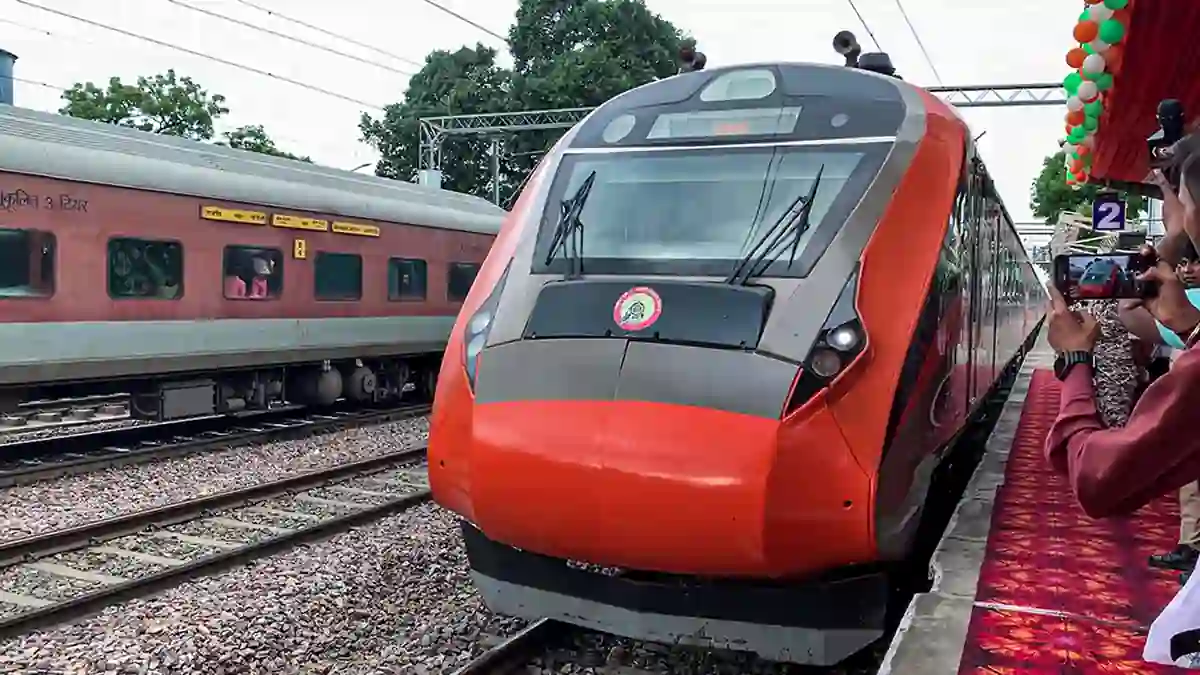
North Central Railway has commissioned a Kavach automatic train protection system on the Gwalior-Jhansi railway line, which runs for 97.1 kilometers. This was done through the installation of 1,596 Radio Frequency Identification tags on the track.
These are electronic devices that help the Kavach automatic train protection system to determine the position of a train. It is important to note that passengers using this line will not experience any changes, as the Kavach system works in the background and will only work in case of danger, such as non-observation of a signal by the locomotive pilot.
Gwalior-Jhansi is yet another of many recent achievements by Indian Railways in terms of extending their rail network through several zones of Indian Railways.
Kavach is an Automatic Train Protection system developed indigenously in India under the 'Make in India' scheme, designed particularly for preventing the Signal Passing at Danger accident, which is the most common cause of train accidents worldwide.
It keeps an eye on all train movements and applies breaks automatically whenever the train pilot ignores the signal warning. Kavach works as a backup system that works independently of human reaction. As per the information from the officials of the Railway Ministry, the system comprises five different interrelated sub-systems supported by huge amounts of infrastructure like optical fiber cable, telecommunication towers, track-side systems, and stations.
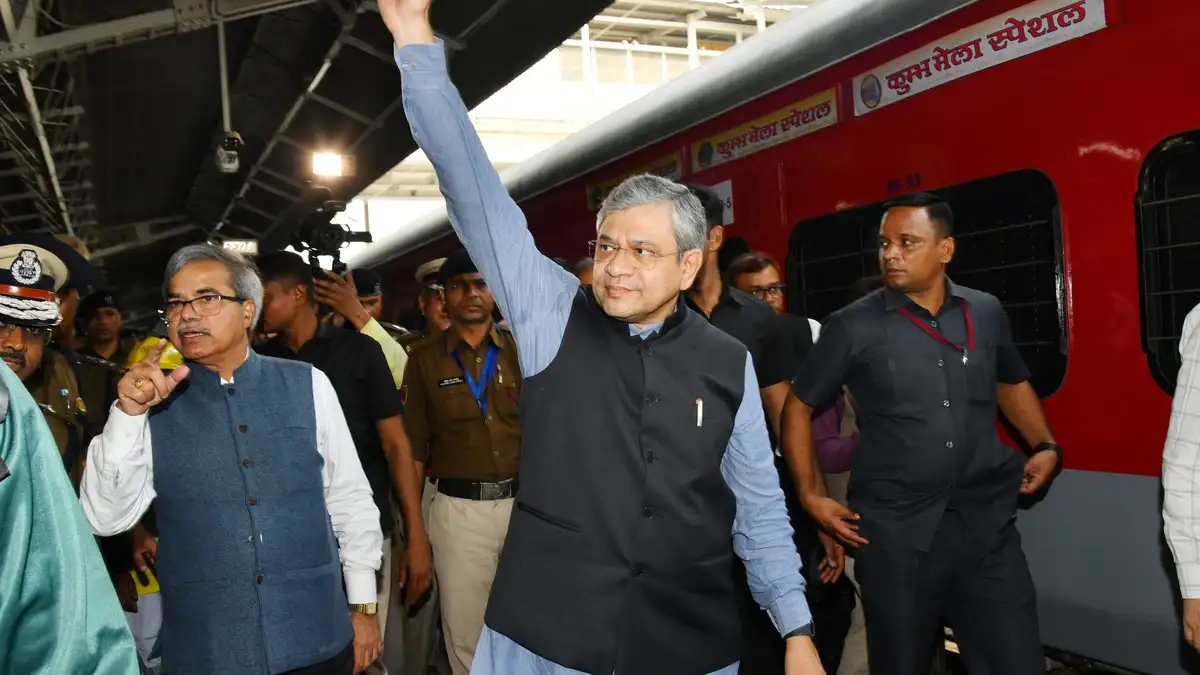
According to Railway Minister Ashwini Vaishnaw, the development of Kavach has been a multilayered process. Previously speaking in Parliament, he said that as far back as earlier this year, 8,570 kilometers of optical fiber cables had already been laid down, over 1,100 telecom towers were erected, and 767 station data centers were set up for the system’s rollout across India.
The commissioning of the Gwalior-Jhansi section comes after a period of intensive developments across several railway zones in India. As far back as earlier this year, Indian Railways rolled out 472.3 route kilometers of the latest Kavach Version 4.0 over three sections simultaneously—all of which belonged to the Western, Northern, and East Central Railway zones.
At that moment, it was the largest one-day and monthly coverage of Kavach that had ever taken place. Up until then, 364 locomotives belonging to Western Railway had been fitted with Kavach equipment.
As late as this month, the Railway Board approved the sanctioning of four new projects for a total investment value of ₹736 crore to expand the reach of Kavach 4.0 to more divisional sections.
In addition to this, the Howrah division of the Eastern Railway marked another significant milestone earlier this month by successfully completing the testing of the Kavach 4.0 system on an EMU local train rake, taking the deployment of Kavach to the next level and making it available even on suburban and local trains.
Kavach 4.0 has a national deployment target of around 10,000 locomotives and 9,000 kilometers of track by December 2030, an ambitious target which Vaishnaw admits would take a lot of time given the technical complexities of the system.
According to the latest update from the Ministry of Railways, Kavach 4.0 has been successfully installed and commissioned over a total route kilometrage of 3,103 km, while the installation process is currently underway over 24,427 route kilometers across some of the busiest corridors in India, including portions of the Delhi-Mumbai and Delhi-Howrah trunk routes.
In order to address this problem of increasing size, the Railway Ministry has also been developing a system-wide monitoring system called SURAKSHA, which will be capable of providing live monitoring and predictive maintenance services for all the Kavach units, apart from an indigenously developed Universal Braking Algorithm in order to facilitate the rapid adoption of Version 4.0 systems.