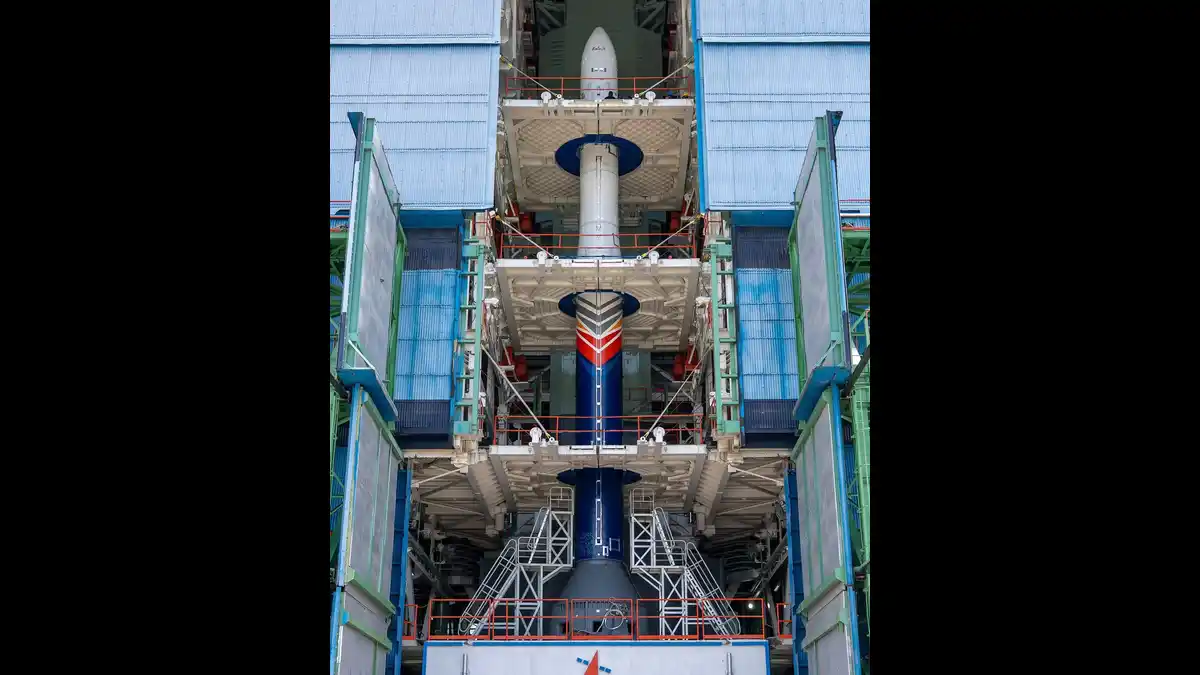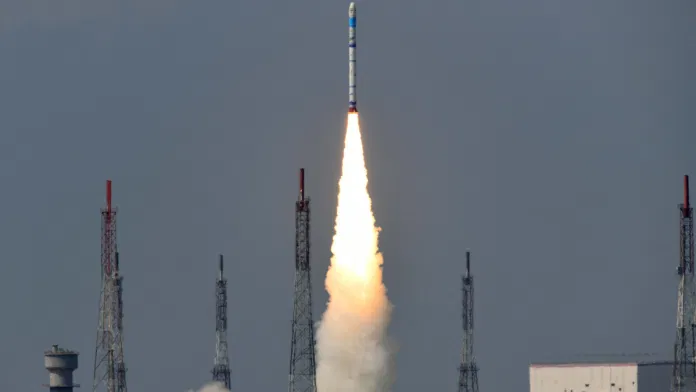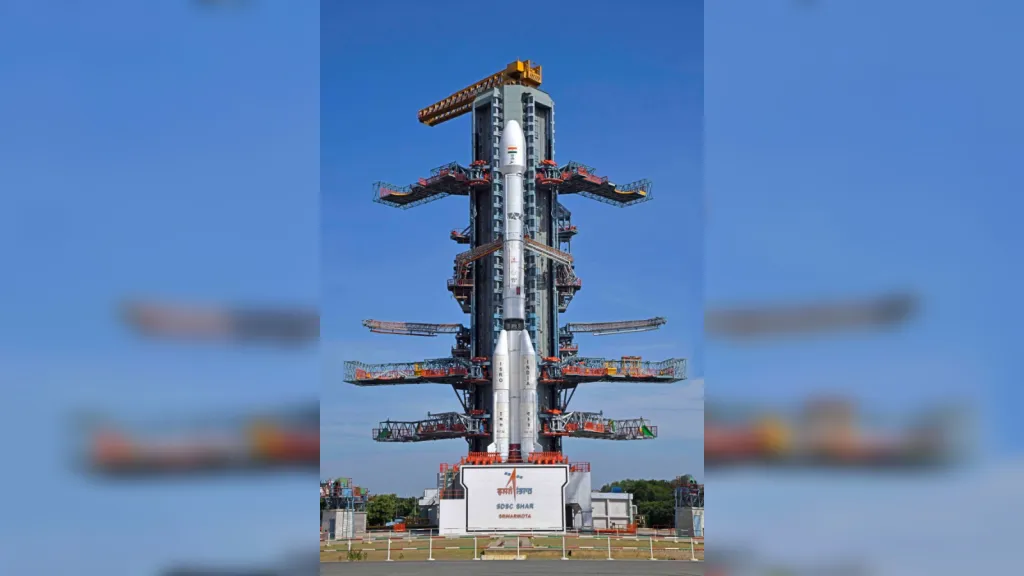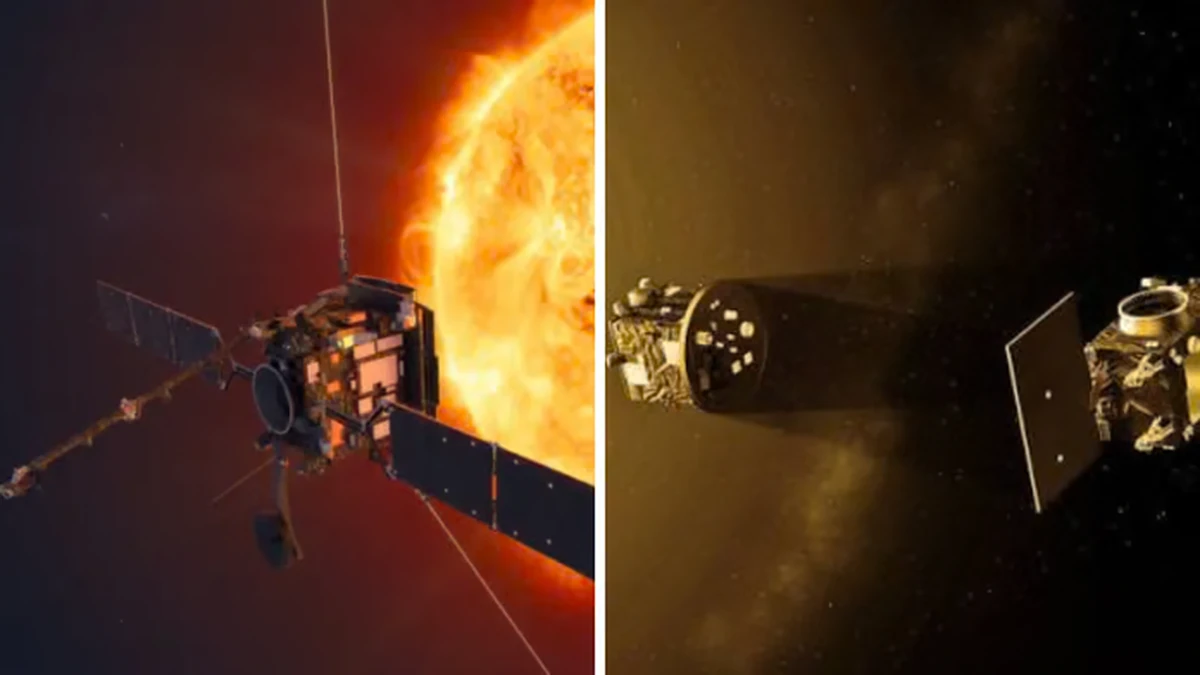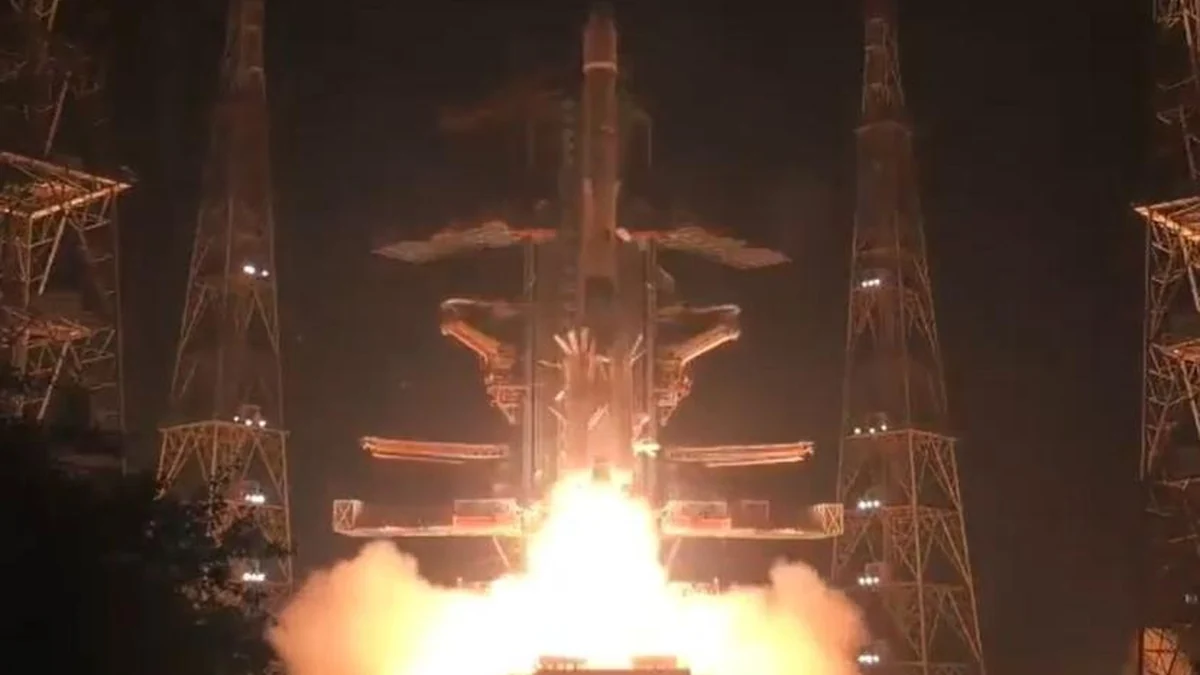
The countdown ran 24 hours and ended at 11.51 pm on Friday, the time ISRO had announced days earlier. GSLV-F18 cleared the second launch pad at Sriharikota and worked through its three stages without a hitch, cryogenic upper stage included. About 18 minutes in, NVS-03 separated.
The satellite weighs 2,232 kg. The target was a transfer orbit with a low point of 170 km and a high point of 37,023 km, and ISRO said the rocket put it there. This was the 20th GSLV flight.
Engineers tried something new this time. They launched with the pyrotechnic valves on the satellite's propulsion system already open, a measure PTI called unprecedented. NVS-02, for the record, reached its transfer orbit in January 2025 and never got any higher.
Positioning needs four. A receiver has to work out latitude, longitude, altitude and the error in its own clock all at once, and four unknowns take four signals. NavIC, designed around seven satellites, had three that were doing the job: IRNSS-1B, IRNSS-1I and NVS-01. The government told Parliament as much in July. Timing carried on. Independent positioning didn't.
ISRO chief V Narayanan said after the launch that NVS-03 restores position, navigation and timing services. He also pointed to the gap between this flight and the last GSLV mission. Fifty-six days, the shortest yet.
Commentary around the launch leaned hard on the sovereignty angle. The argument is simple enough: a country that depends entirely on foreign navigation signals is exposed if someone else decides to restrict them.
NVS-01 went up in 2023 and worked. NVS-02 didn't, and NVS-03, 04 and 05 were all pushed back as a result. Officials have also admitted to trouble with the rubidium atomic clocks on some older satellites. ISRO's first launch of 2026, in January, failed to reach orbit. NVS-03 itself slid from a September target to the last day of October.
Mostly clocks and signals. NVS-03 has an indigenous rubidium clock plus procured ones, and it transmits in the L1, L5 and S bands. L1 is the new addition. It's the band consumer chips already use for other global systems, so it should make life easier for phone and wearable makers who want to support NavIC alongside GPS.
Coverage stays regional: India and roughly 1,500 km beyond its borders. A restricted service for the armed forces and other authorised users runs next to the public one, and the military had been waiting on this launch.
PTI also tied the satellite to timekeeping. The government recently notified the Legal Metrology (Indian Standard Time) Rules, 2026, and onboard atomic clocks feed that kind of infrastructure.
NVS-03 is sitting in transfer orbit. Its own engines now have to take it to the final slot at 32.5 degrees East, and after that it goes through checks before it transmits for real users. Reports from the launch did not give a date for that. Explainers published ahead of the mission kept flagging the same risks: clock problems and orbit manoeuvres can interrupt service even after a clean launch.
Then there's the ground. A phone that only listens to GPS gets nothing out of a fourth NavIC satellite.
Prime Minister Narendra Modi congratulated ISRO's scientists and engineers, calling the mission an important step for NavIC and for self-reliance in critical technology. Union Minister of State Jitendra Singh congratulated the team as well.
Officials have said NVS-04 and NVS-05 will follow in close succession.