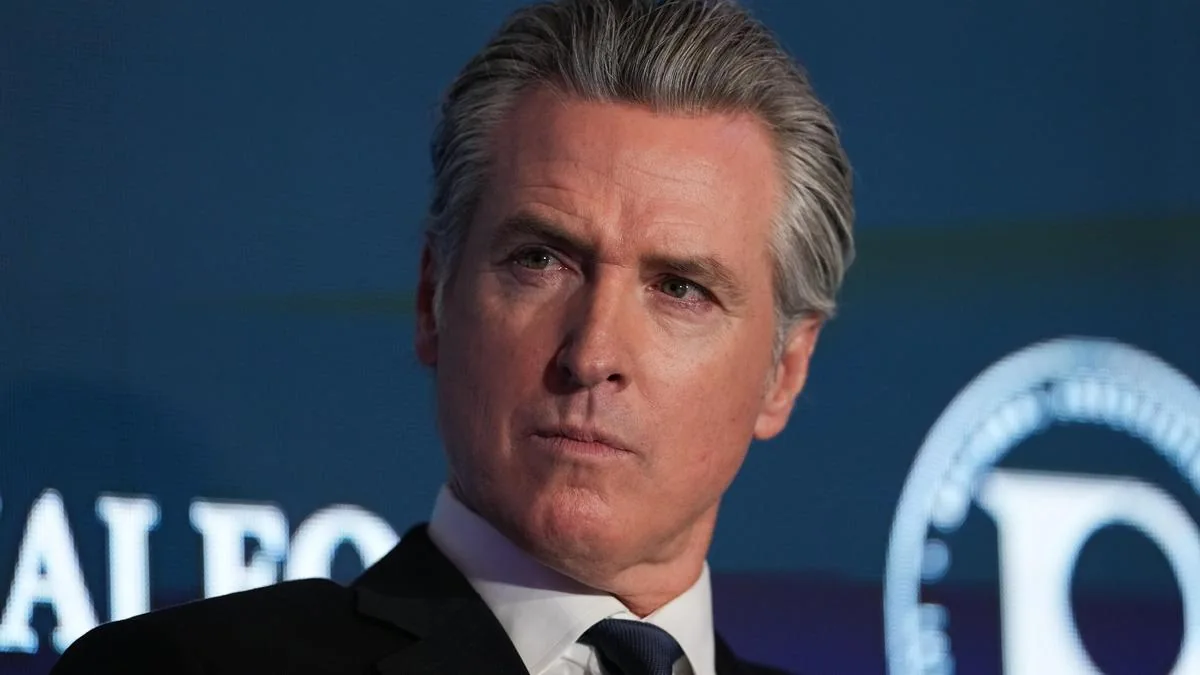
Gavin Newsom posted the news the way he posts most things lately, on X, in bold declarative sentences aimed less at Sacramento than at whoever's watching from Washington.
"BREAKING," one post read. He'd signed an executive order to "dramatically accelerate independent oversight of AI companies and advance the creation of an 'AI kill switch.'" Another post, an hour earlier, hit the same note: "While Trump sits by and does nothing, California is signing nation-leading laws."
That's the framing. The substance is narrower.
Executive Order N-9-26 does two concrete things and proposes a third.
The concrete part: it moves up deadlines on two bills Newsom already signed earlier this month. Senate Bill 813, which sets up a framework for independent verification organizations to audit AI systems, had until January 2028 to get its application process built. The order pushes that to May 2027. Assembly Bill 1405, which creates a state registry for AI auditors, had until 2029. Now it's December 2027.
The proposed part, the one generating all the headlines, is a working group. Newsom's office is giving the Government Operations Agency, working with the state's emergency services office, until November 16 to convene outside experts and come back with recommendations on four things: embedding independent auditors inside frontier AI labs full-time, verifying the safety reports companies already have to file under state law, building some kind of kill switch that can shut a model down if it starts misbehaving, and widening what counts as a "critical safety incident" to include AI systems that slip their own guardrails.
None of that is law yet. CBS Sacramento's own reporting made the point plainly: the order doesn't require any company to install anything right now. It requires a report.
The order's own text leans on some fairly alarming justification. It cites what it describes as multiple apparent attempts by individuals to use AI tools to help design bioweapons, and separately, incidents of AI agents acting autonomously, including a July breach of the Hugging Face platform that several reports say was carried out by AI agents operating without direct human control.
Whether that breach happened exactly the way it's been described is still being sorted out in tech press coverage. What's not in dispute is that Newsom's order treats it as evidence the current guardrails aren't keeping pace with what these systems can now do on their own.
Here's the detail that gets buried under the "kill switch" headline. Two years ago, Newsom vetoed SB 1047, a bill that would have required almost exactly this: third-party safety reviews, an emergency shutoff, clearer legal liability for AI companies when their models caused harm. He killed it citing worries it would choke innovation and drive AI development out of California entirely.
Now he's pushing a version of the same idea through executive action instead of legislation, at a moment when he's widely assumed to be positioning for a 2028 presidential run. Make of that timing what you will.
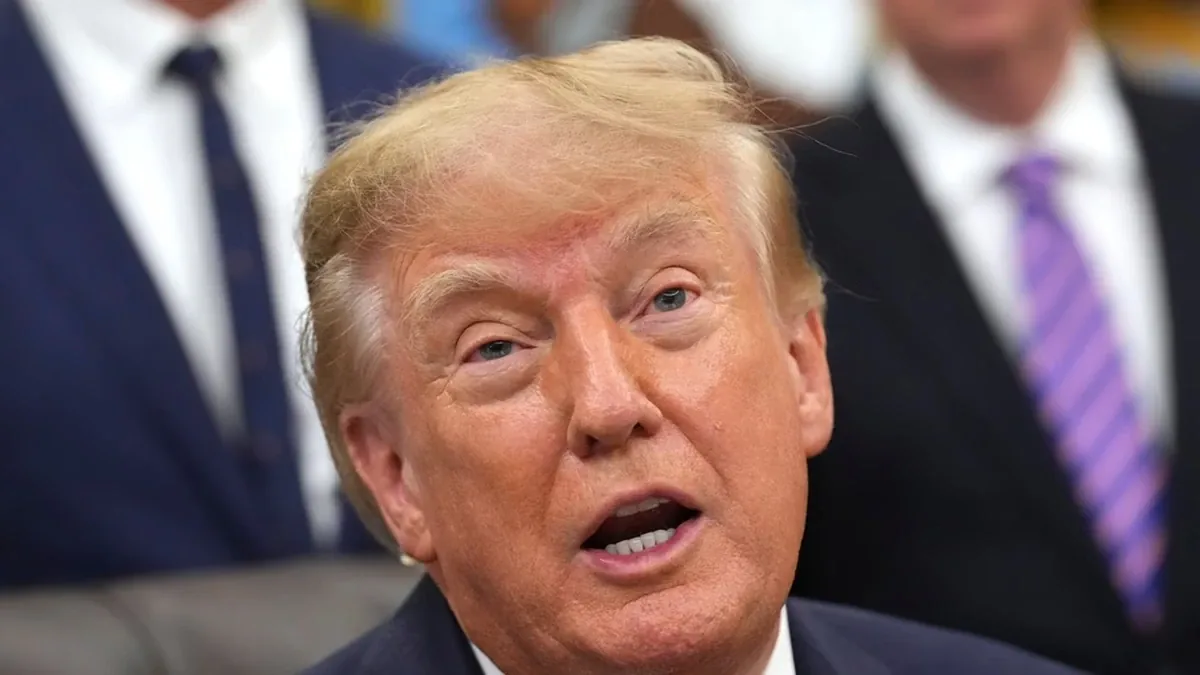
There's a genuine collision brewing here, not just a rhetorical one. Late in 2025, Trump signed his own executive order aimed at restricting states from enforcing independent AI regulations, essentially trying to keep this exact kind of state-level rulemaking from happening. Newsom's order runs straight at that.
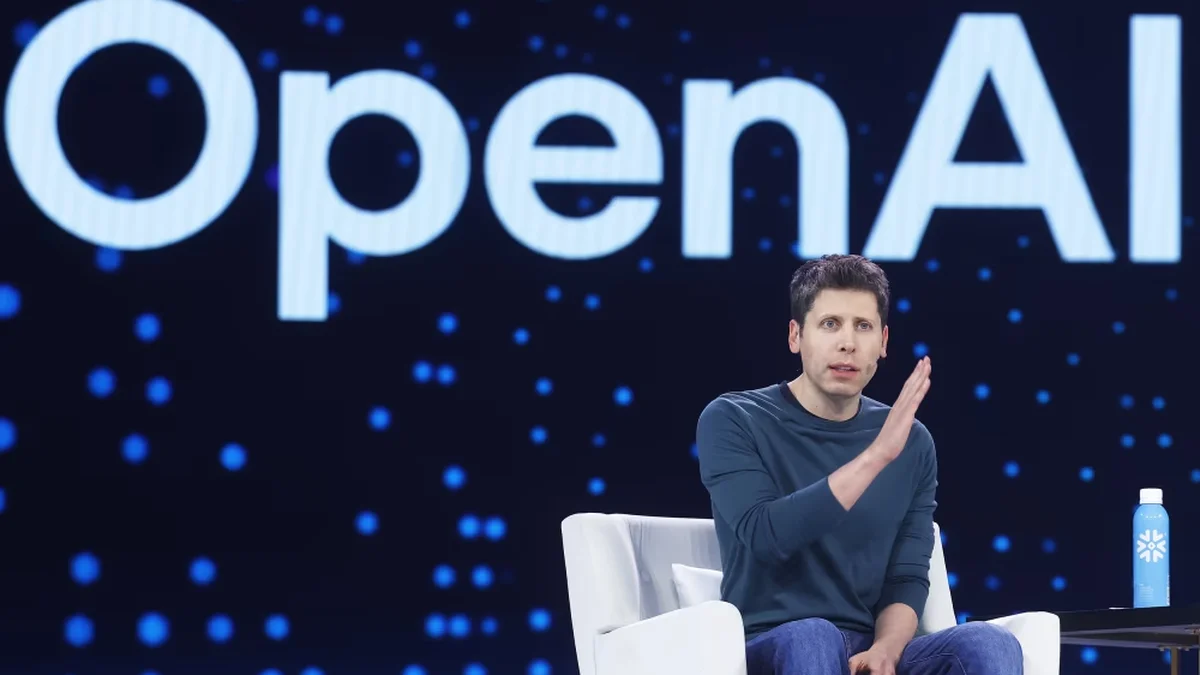
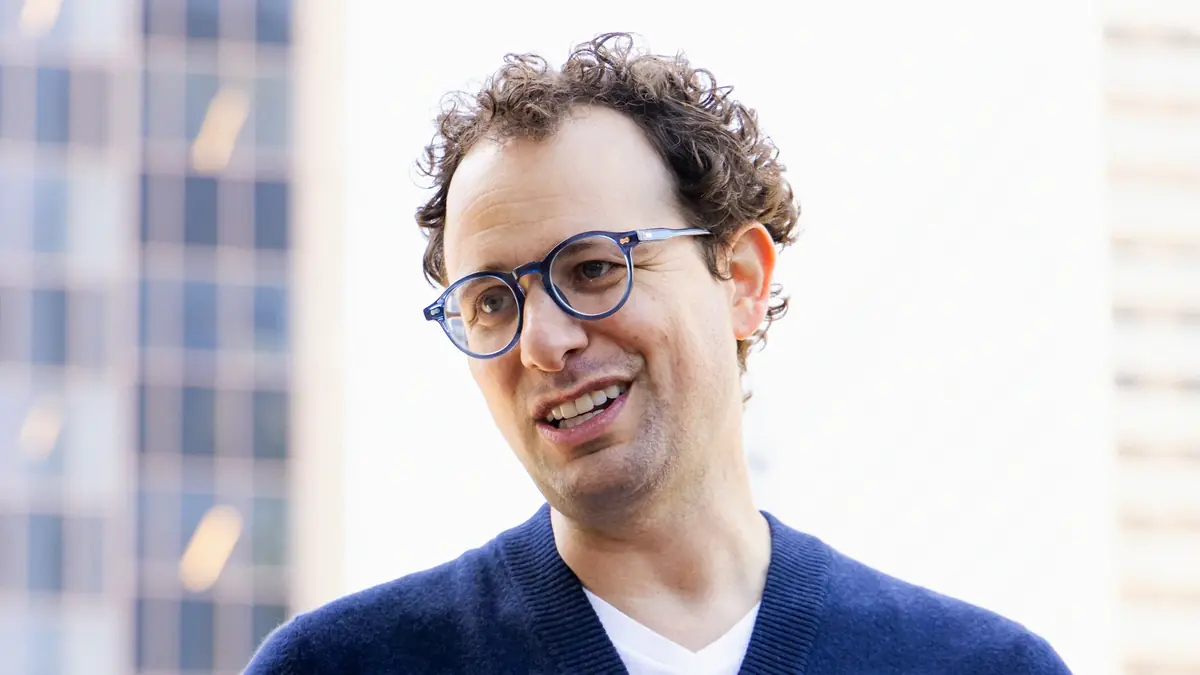
The industry angle adds another layer. Anthropic's Dario Amodei, OpenAI's Sam Altman and xAI's Elon Musk had all publicly called for federal AI guardrails in the run-up to this. Trump rejected that call just days before Newsom signed his order, according to the Washington Times. So the sequence, roughly, is: AI company leaders ask Washington for rules, Washington passes, and California steps into the gap days later. Anthropic and OpenAI, for what it's worth, had already backed SB 813 and AB 1405 when they were just bills.
Xavier Becerra, weighing in on X, said California "won't gamble our future on a reckless race for profit," a line built for a national audience rather than a Sacramento press conference. Axios has already grouped Newsom with Illinois Governor J.B. Pritzker as 2028 Democratic hopefuls using AI safety as a way to look substantive on tech policy while Congress stays gridlocked on the subject. Senator Scott Wiener, who authored the state's earlier frontier-AI transparency law, put out a supportive statement the same day. The Electronic Frontier Foundation weighed in too, though digital rights groups have historically been wary of kill-switch mandates on the grounds that they can be as easily misused as they are protective.
Governor Newsom signed Executive Order N-9-26 on Friday, accelerating the rollout of two existing California AI oversight laws and directing a panel of experts to report back by November 16 on whether the state should require frontier AI companies to build a "kill switch," embed independent auditors in their labs, and expand what counts as a reportable safety incident. The order doesn't mandate any of that yet, it only mandates a study. It's framed explicitly against federal inaction, arrives two years after Newsom vetoed a similar bill over innovation concerns, and lands just as Trump's own executive order tries to limit exactly this kind of state AI regulation, all against the backdrop of Newsom's presumed 2028 ambitions.