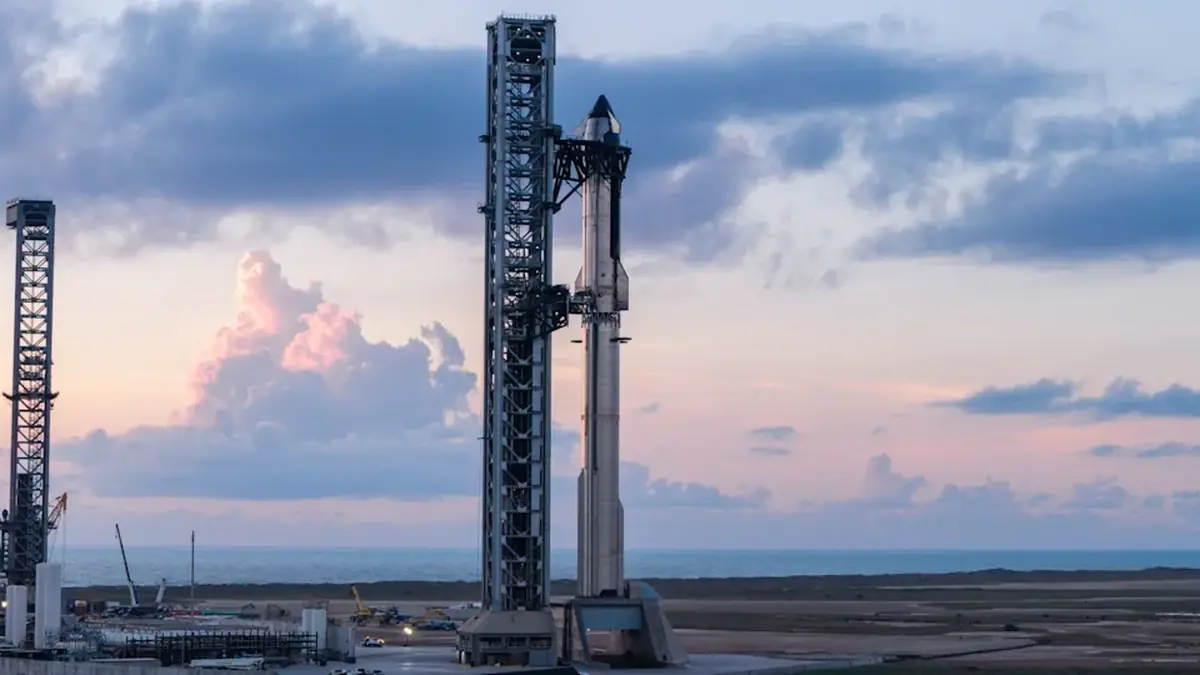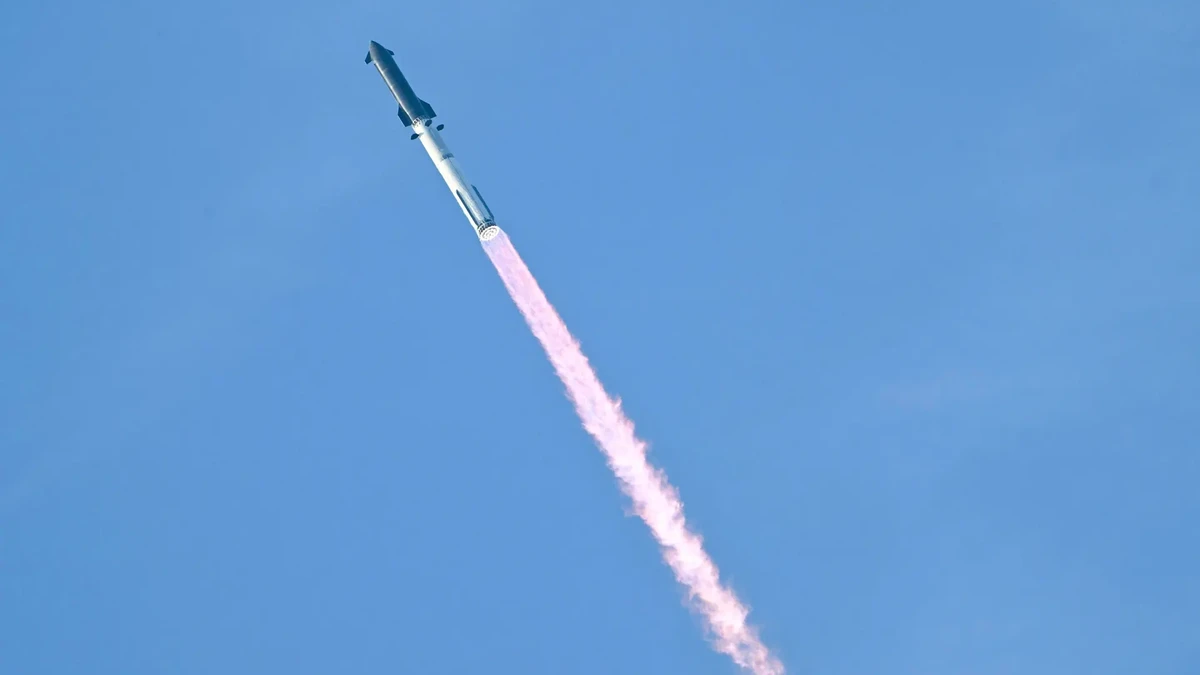
SpaceX launched Starship on its 14th test flight on Monday, September 28, 2026, and the vehicle reached orbit for the first time. The SpaceX Falcon 9 launched from its base in Texas at 8:48 am.
Eastern Daylight Time (7:48 am local time), after a delayed lift-off window that originally opened at 8:15 am. The Super Heavy booster rocketed into space by firing its 33 engines, and SpaceX personnel cheered as the spacecraft entered orbit shortly thereafter.
The previous 13 missions with the Starship had followed suborbital trajectories, meaning any payload they carried would come back down to Earth after several minutes. Flight 14 marked the third mission using the Version 3 design that was designed to ferry actual operational payloads to the Moon and Mars.
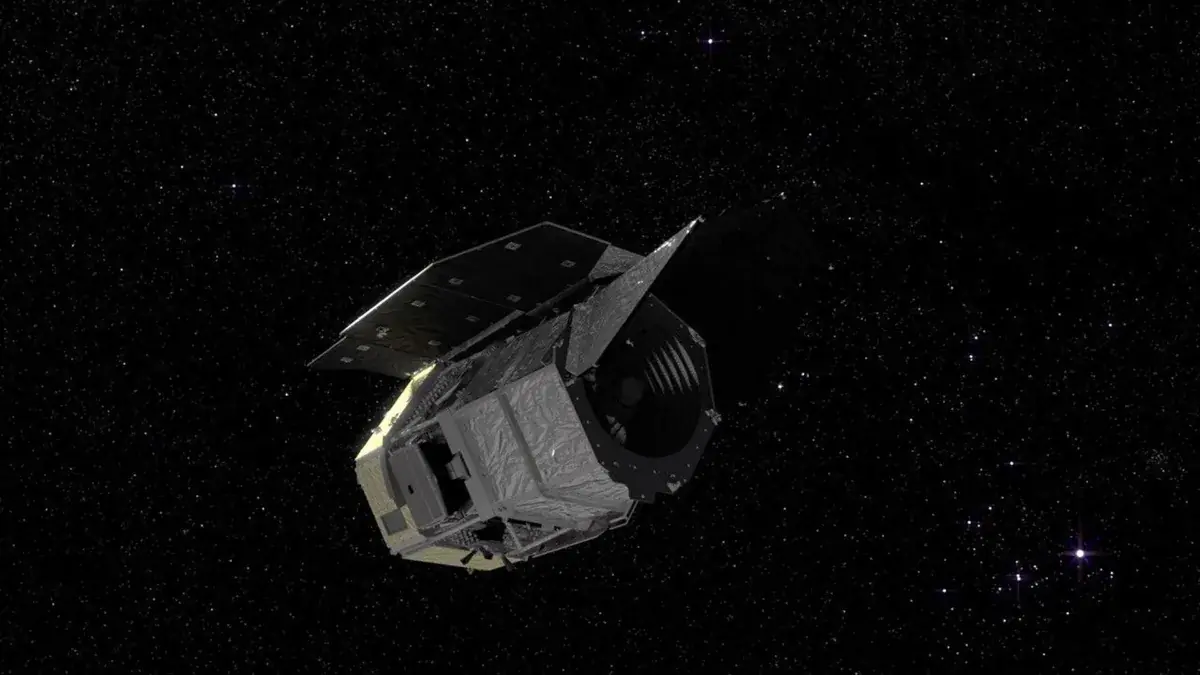
The primary goal of the mission was to deploy active satellites into orbit. The Starship started launching its satellites into orbit beginning 34 minutes into its flight through to the following half an hour, releasing all 26 satellites one by one.
While earlier missions with the Starship had deployed V3 satellites too, those were only test satellites and had not entered orbit after their short flight in space.
Three out of the total 26 satellites were equipped with cameras, which were directed towards the ship. They were supposed to capture the heat shield of Ship 41 and collect information about the sample tiles.
The engineers will use the data collected for improvements in the thermal protection system that has to withstand the intense heat while re-entering the Earth’s atmosphere. According to SpaceX, a single Starship can accommodate up to 60 satellites, which is about 20 times the number that can be accommodated by a Falcon 9 rocket. Elon Musk said that this constellation of satellites could increase up to 100,000.
This was not a perfect mission, as the Starship lost one engine in its way to the orbit, but the fact remains that it was not required for reaching orbit. As for the duration of the flight, the initial plan was that it would last up to ten hours and six orbits; however, the decision was made to land the ship earlier.
Ship 41 splashed down in the northern Pacific, north of Hawaii, just before noon Eastern time, roughly three hours after launch. Differing accounts have emerged on the nature of the landing itself. While Space.com reported a successful deceleration and splashdown, Starluster and NewsNation reported a fiery hard splashdown, unlike Ship 40's unbroken landing in Flight 13. SpaceX has deemed the mission successful, having accomplished the primary aims of reaching orbit and deploying operational Starlink satellites.
A soft landing of the Super Heavy booster in the Gulf of Mexico occurred seven minutes after launch and was completed using five of its 33 engines. There was no tower catch attempted on this mission, and the landing burn of the booster had been a potential problem after Flight 13, so this clean landing was good news for SpaceX.
Reaching orbit is the point at which the development phase of a launch system ends and it becomes an operational system. Until this point, Starship has proven that it is capable of flying to space and returning, broken into pieces, but on Monday, it demonstrated that it can get payloads where they need to go.
And the repercussions don't stop there. NASA has chosen Starship to be the first-ever crewed lander for its Artemis program, whose goal is to construct a base at the South Pole of the Moon.
While Blue Origin is also providing landers, and it remains unclear which spacecraft will take crew for Artemis IV, any future Moon or Mars mission will also need to refuel Starships in orbit, a process that requires successful flights such as this one on Flight 14.
At the same time, this flight takes place at a crucial financial juncture. SpaceX made an IPO in June that was reported as the largest ever, and the firm is currently worth around $2 trillion. This means that investors are placing great emphasis on the progress of the Starship.
The Starlink is SpaceX's main source of income, and hence the ability to launch numerous satellites using a fully reusable rocket is what investors are banking on.
In a recent earnings call for SpaceX, Musk said that in the future, Starlink might provide the majority of the internet for the world in the nations it is permitted to serve.
SpaceX is already analyzing the data from the engine failure, early deorbit decision, and heat shield images captured by the satellites with cameras. In case of good results, Flight 15 may become the first realistic chance of catching a ship during its descent at the launch tower along with the booster.
SpaceX employees have mentioned that one of the future flights may become the first Starship launch from Kennedy Space Center in Florida.
This is important from the perspective of regulation since FAA should issue an updated launch license for SpaceX to account for the extended orbital trajectory and review the early termination.