Two tankers were hit off the coast of Oman on Monday. By the time the second one went dark, the Strait of Hormuz had added one more day to a very bad month.
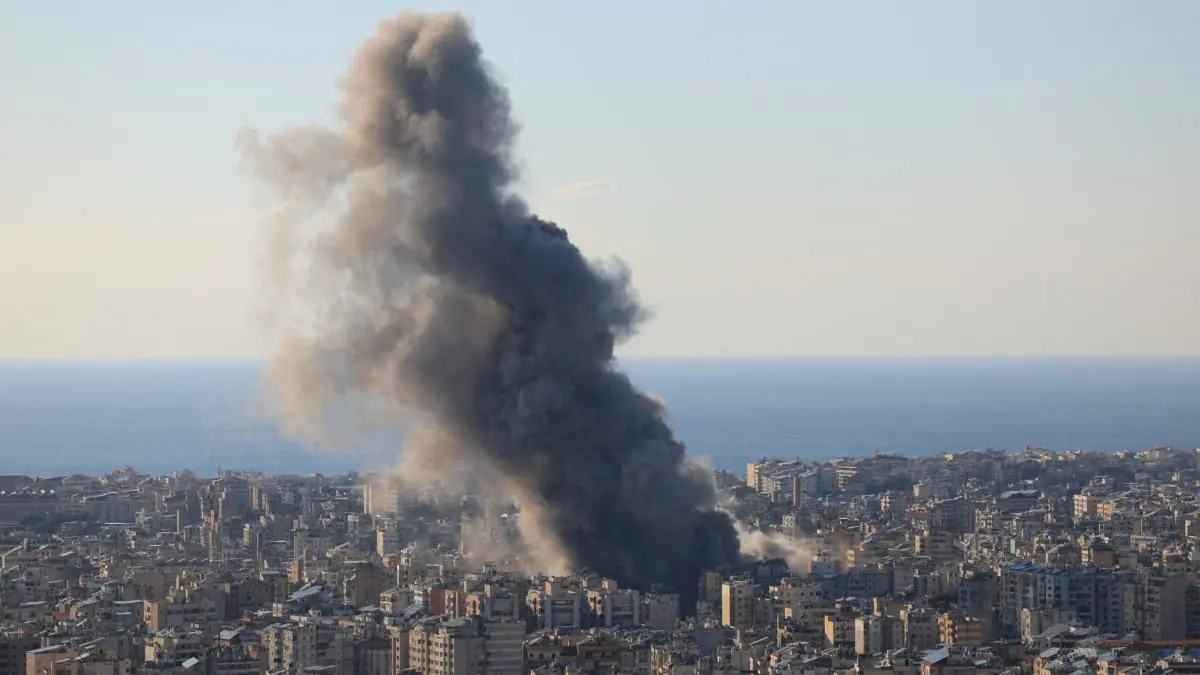
The first strike came at around 0558 UTC. A tanker heading out of the strait told UKMTO it had been hit by an unidentified projectile, and a fire started in its engine room. Every crew member was accounted for.
About thirteen hours later, roughly seven nautical miles north of Khasab, a second tanker was reported attacked. It was disabled, with another engine-room fire. Crew safe again, damage unknown, according to gCaptain's reading of the UKMTO warnings.
Indian officials then put a name and a nationality on at least one of the incidents. Gulf News and the Free Press Journal reported that a Panama-flagged LPG tanker, the Tara Gas, had been hit by a missile while transiting the strait, with 24 Indian seafarers among 25 crew. All unharmed. The timing and location fit the second UKMTO warning, though UKMTO itself has not named any of the ships.
A day earlier, Indian shipping authorities had flagged yet another tanker attacked while heading east through the Arabian Gulf toward Hormuz. Crew safe there too.
The Washington Institute for Near East Policy counted 37 attacks on ships in October, the worst month since the war began in late February. At least ten more vessels were hit in the first ten days of November.
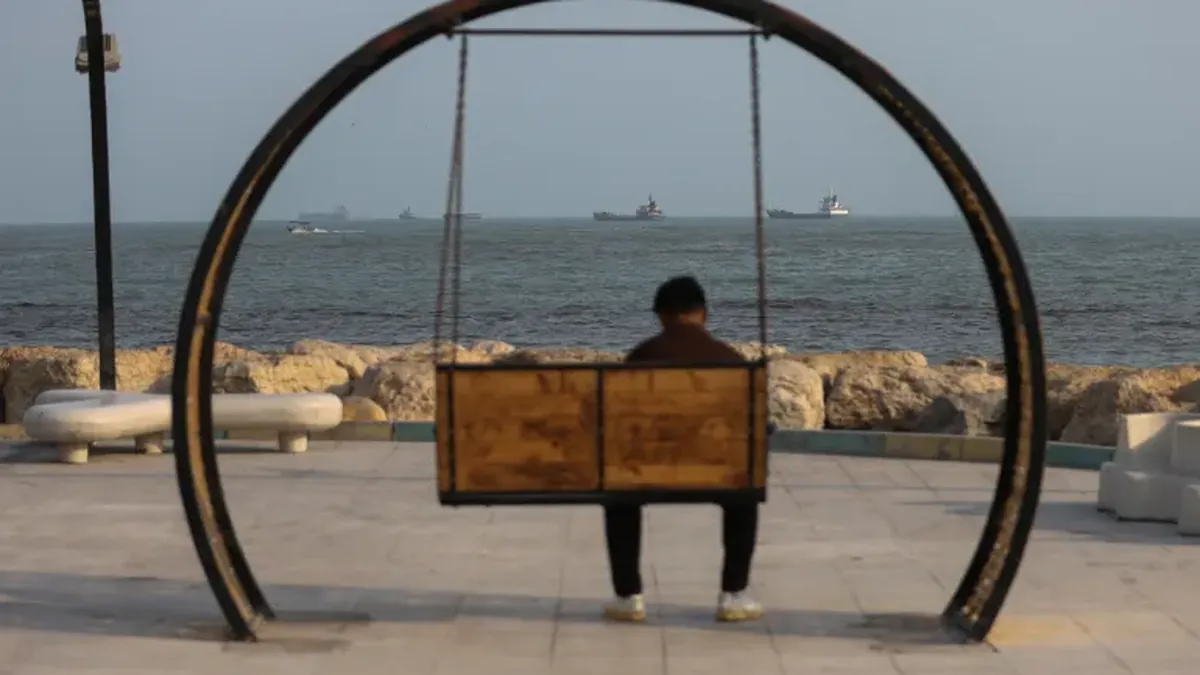
JMIC reports five attacks off the Musandam Peninsula since November 1. Traffic remains well below prewar levels, and around 227 commercial vessels are sitting at anchorages east of the strait, including Fujairah, Khor Fakkan, Sohar and Musandam.
The transit numbers are lopsided. JMIC logged 83 US-facilitated crossings between November 12 and 14. Everyone else, the non-facilitated traffic, managed single digits to low double digits per day. JMIC warns those two figures cover different groups of ships and should not be compared directly.
Earlier this month gCaptain put overall traffic at roughly 65 percent below pre-conflict levels.
Here is the odd part. Prices are not behaving like a market watching tankers burn.
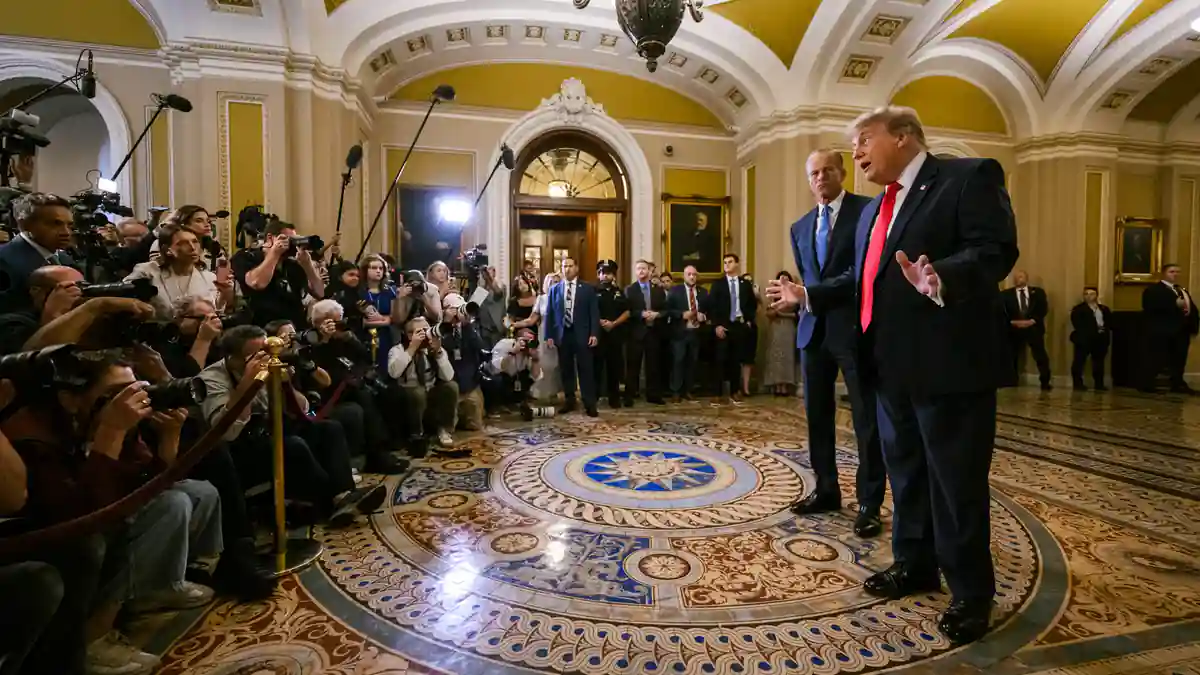
Brent slid under $100 in early November and touched two-month lows after US officials played down the need for more strikes on Iran. Reports this week had it around $92 to $95. Analysts quoted by Reuters and others point to a more conciliatory tone from President Donald Trump since Republicans lost the House and Senate on November 3, plus higher OPEC+ output in October.
India has reason to keep watching anyway. The Reserve Bank of India has estimated that a $10 rise in crude would cost the economy roughly 0.4 to 0.5 percent of GDP and widen the current account deficit. Indian crews, meanwhile, keep turning up on the ships that get hit.
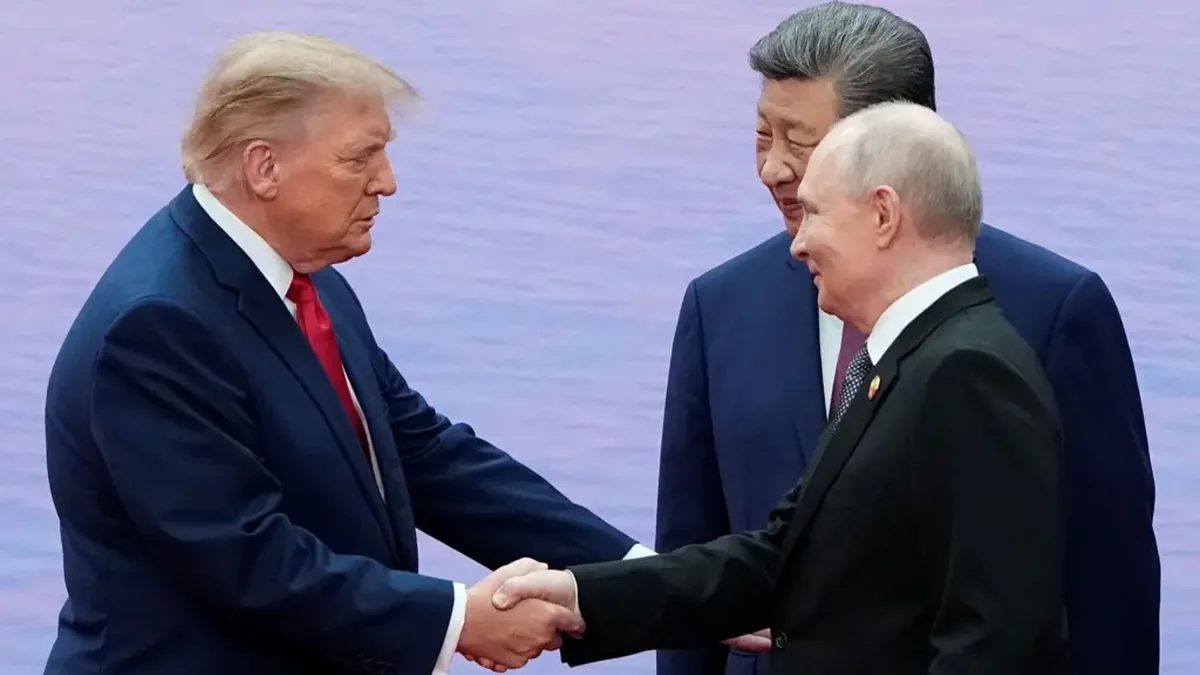
The diplomatic signals point in two directions at once. Vice President JD Vance told Fox News that Trump will not let Iran become a "forever war," while Trump sent a third aircraft carrier to the region. US and Israeli planners are reportedly drawing up options for further strikes on Iran. Bahrain said its air defenses intercepted several Iranian attacks, and Iran and Oman have been discussing shipping through the strait.
The war is now in its 261st day, going by Gulf News' count, and the US blockade of Iran is widening.
UKMTO is advising vessels to transit the area with caution and to report anything suspicious.
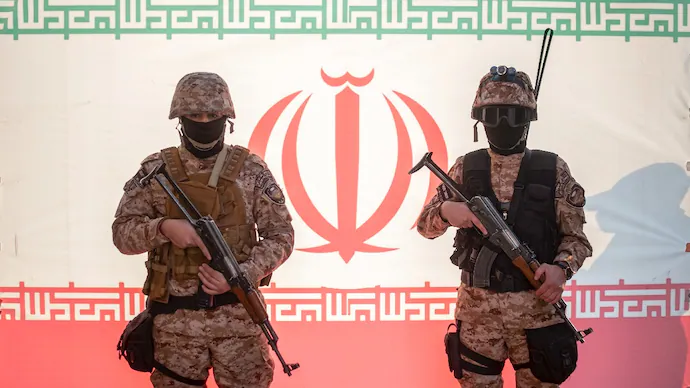
Iran's Revolutionary Guards offered their own count on Monday, in a statement carried by state media. Two oil tankers had hit mines, they said, causing explosions, and six tankers in all had caught fire in similar incidents across Sunday and Monday. Iranian reports also say a supertanker carrying more than two million barrels sank after striking a mine on the southern route.
Tehran's line has been consistent for weeks. The ships ignored warnings and entered what Iran treats as restricted water.
UKMTO's language is different. It talks about unknown projectiles, not mines, and it has attributed nothing. None of Iran's accounts has been independently confirmed, and a missile strike and a drifting mine are not the same thing.
The geography is familiar, at least. Back in July, Seatrade Maritime noted attacks clustering on the southern route hugging Oman while ships using the northern lane near Iran's own coast were left alone. Monday's incidents were all on that southern side.