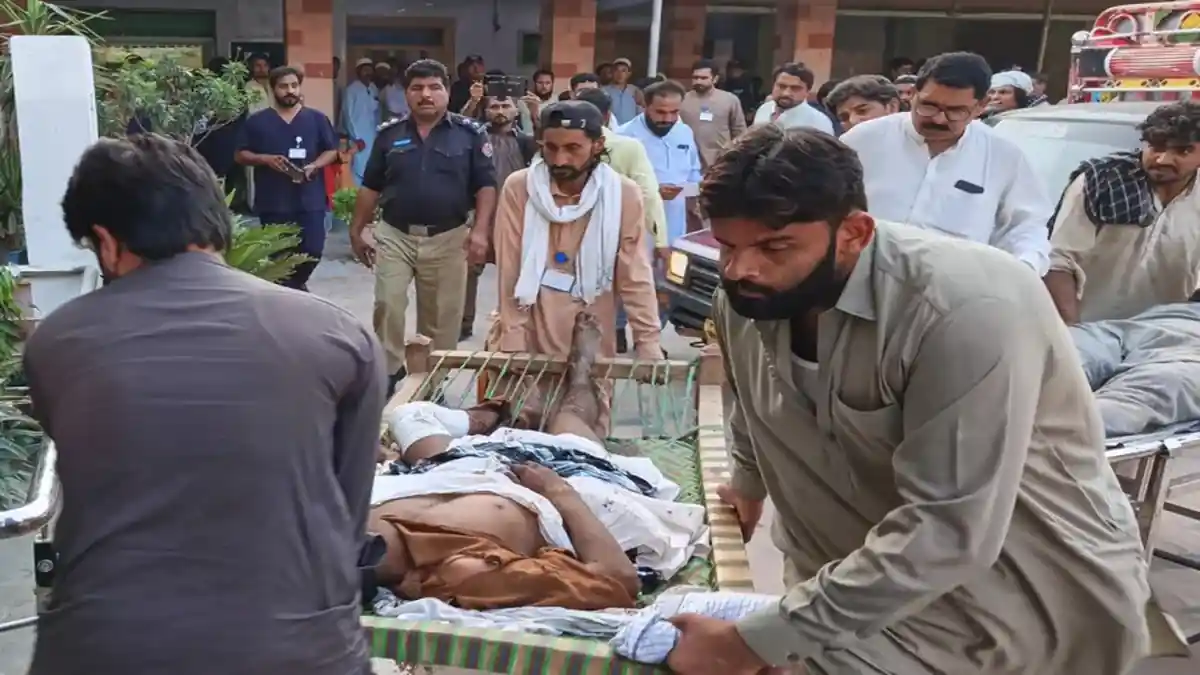
A vehicle packed with explosives slammed into a police checkpoint there Thursday, and the toll's still moving. Some outlets already have it at 13. Around 30 people were wounded, officials say, though that number tends to shift in the hours right after an attack like this, as hospitals sort through who's stable and who isn't.
The checkpoint sat in Khyber Pakhtunkhwa province, right up against the Afghan border. Its whole purpose was interdiction, catching smuggled goods and fighters trying to move through. So there's a grim logic to why it got hit. A fixed post in a known location, manned every day, isn't hard for a group planning an attack to find. The Pakistani Taliban, the TTP, claimed it within hours.
Then gunmen opened fire on an ambulance responding to the scene. The Associated Press reported that part too. Whether anyone inside was hurt hasn't been confirmed yet.
Pakistan's president put out a statement condemning the bombing. Which, by now, is what happens after almost every one of these. The words rarely change much from attack to attack.
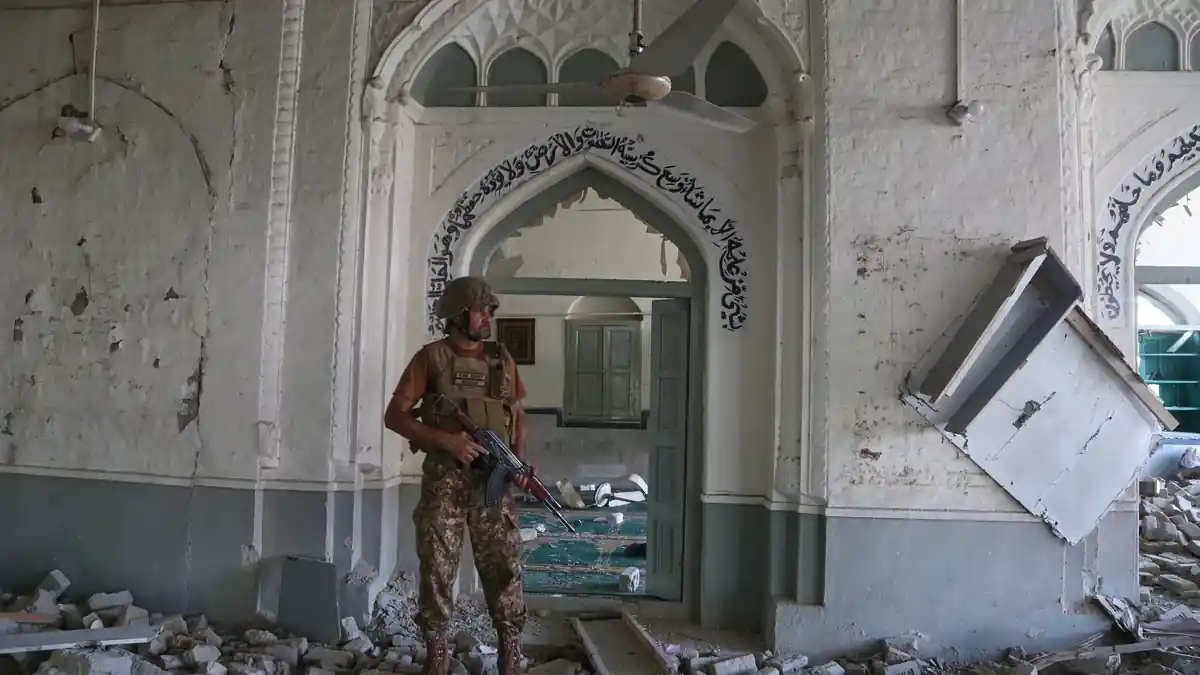
This wasn't the first bad week for Khyber Pakhtunkhwa, or even the first bad week this month. Eight days before Thursday's bombing, a mosque in Kohat, same province, was hit by an explosion that killed 31 people.
A faction with reported al-Qaeda ties, working alongside the TTP, claimed credit for that one, or at least celebrated it publicly enough that the UN Security Council felt compelled to issue a formal condemnation.
Add the two attacks together and you get more than 40 dead in this one province in a little over a week.
Amira Jadoon and Saif Tahir, writing in The Conversation just days before Thursday's attack, called it an evolving extremism landscape, one that's dragging Pakistan-Afghanistan relations toward what they described as a crisis point.
Islamabad says Kabul is letting TTP fighters operate from Afghan soil. Kabul denies it. Neither government has moved an inch on that argument in months, as far as anyone can tell.
Dera Ismail Khan itself has a long, uncomfortable history with this kind of violence. It borders South Waziristan, part of the old tribal belt that Pakistan folded into Khyber Pakhtunkhwa in 2018, ending decades of separate administrative status for the area.
The merger was supposed to pull the region more firmly under state control. Large parts of it still aren't, not really, and the Afghan border running alongside makes it a natural corridor for smuggling and militant movement alike.
Fixed checkpoints doing anti-smuggling work are about as exposed as security infrastructure gets.
Everyone nearby knows exactly where they are. That predictability is precisely what makes them a target of choice for anyone with a vehicle bomb and a willingness to use it.
The TTP walked away from its truce with Islamabad in late 2022. Attacks on security forces across this province have climbed pretty steadily since then, without much of a plateau. Pakistan launched a fresh counterterrorism push in mid-2024, Operation Azm-e-Istehkam, meant to dismantle TTP networks specifically across Khyber Pakhtunkhwa and Balochistan.
Two years in, bombings on roughly this scale are still landing on a near-weekly basis in parts of the province, which doesn't say much for how the operation's actually going on the ground.
What's changed lately isn't just how often these attacks happen.
It's who's carrying them out. It used to be reasonable to talk about "the TTP" as one organized command.
That's less true now. Splinter groups and affiliates, some with their own al-Qaeda links, are operating alongside or underneath the TTP name, and a ceasefire negotiated with the main group wouldn't necessarily touch any of them. Officials keep saying, after every attack, that they're committed to rooting these networks out. The attacks keep happening regardless.
Investigators are still trying to pin down the exact death toll from Thursday and figure out who fired on that ambulance. Security around Dera Ismail Khan has reportedly been tightened since the bombing.
Whether that lasts, or means much of anything by next month, is the kind of question people in this province have stopped bothering to ask out loud.
They've seen this pattern before. Two attacks, eight days apart, forty-some dead, and neither side showing any sign of backing off.