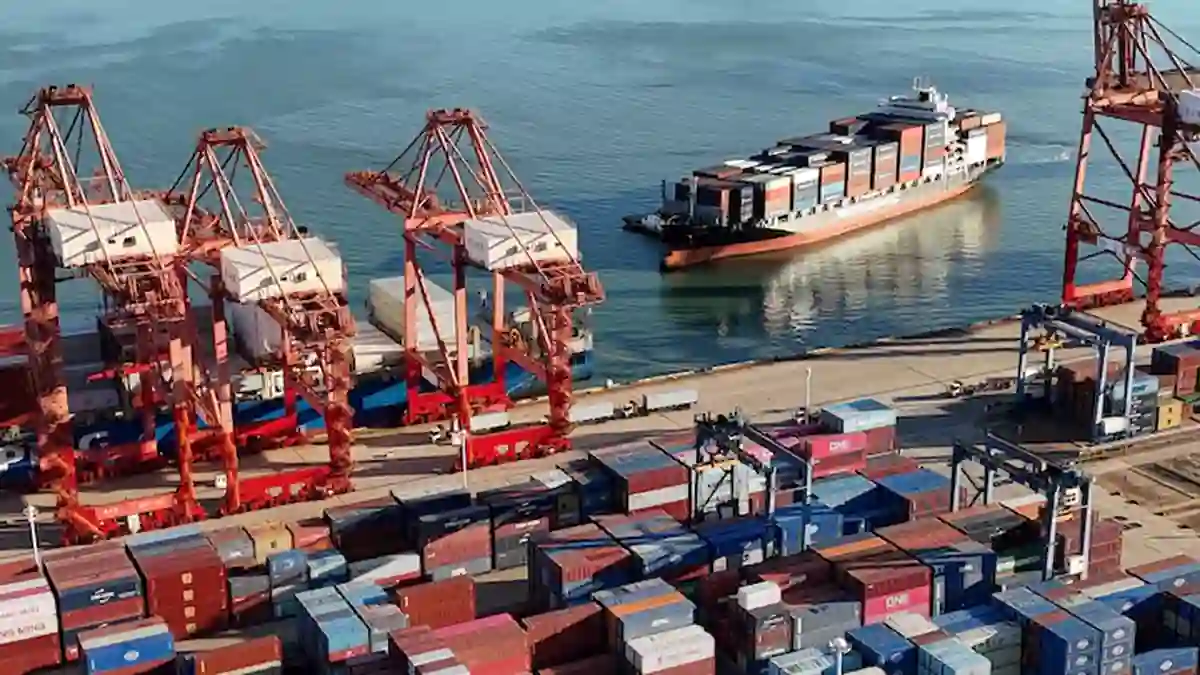
On Tuesday, November 10, China’s customs department announced a figure that very few economies in history could match. During the first ten months of 2026, China exported $1.04 trillion more to the world than it imported.
This marks the second consecutive year in which China’s trade surplus has crossed the mark of $1 trillion. This would help China surpass its previous record trade surplus of approximately $1.2 trillion.
Both the export and import figures were notable. The exports in October increased by 35.2%, whereas the imports increased by 41.6% compared to a year ago.
The export number exceeded expectations. As CNBC reported, analysts polled by Reuters were expecting an increase of 33.5%.
As the imports were growing faster than the exports, the trade balance deficit was narrower. It fell to $105.3 billion compared to $133.5 billion in September, as LSEG data reported by CNBC shows.
The high-tech items are taking up the mantle. The country's exports have been growing at a rapid pace, backed by semiconductors and automobiles, according to AP. Another article claimed that the increase in demand for semiconductors and AI hardware pushed the growth in October.
According to Dave Chia, economist at Moody's Analytics, the country's exports will continue to do well for the rest of the year.
The difference in time is what makes this year unique. Last year, China’s surplus exceeded $1 trillion through the first eleven months and ended up being around $1.19 trillion for 2025. This year, the milestone was hit about a month ahead of schedule.
This year, according to The New York Times, the amount reached a record rate. According to The Independent, new figures show that China will surpass last year’s surplus.
However, it is politically volatile. AP said that pressure is increasing on Beijing to ensure more balance in its trade practices, while IndexBox stated that economists are warning of the dangers of overcapacity and EU trade restrictions.
These issues include trade barriers and tariffs, mentioned by Moody's Chia. The governments have to consider how to protect their industries from being overwhelmed by low-cost goods.
There is no recognition by Chinese authorities of the surplus as an objective. High-ranking authorities argue that China is not trying to increase the surplus but rather pursue more balanced international trade.
None of the studies examined provided a new comment from Beijing in connection with Tuesday’s figures.
Domestic exports also have an analogue on the domestic side. Good exports have helped China compensate for weak domestic demand.
Growth is expected to reach the official growth target set by Beijing of 4.5% to 5% for the year, marginally lower than the 5% seen last year.
This is what troubles the critics. A nation that produces more than it consumes has to export the excess, thus creating huge surpluses.
The first threat worth mentioning is that the Chinese exports may be subject to a shock to the artificial intelligence sector, reported AP. The worries grew following the Democrats' success in the US midterm election, as a reaction to the growth of data centers was rather negative.
This is a prediction rather than the consequence. The sources used in this work do not report on the reduction of the orders.
But it is important to mention that the total does not specify the surplus country wise and none of the reports reviewed provided the information of Chinese surplus with the United States, European Union or India for 2026. However, a separate data set for previous months reflected that surplus with the US was decreasing but it is before current years figures.
However, the data on customs basis also records only the goods and no services are recorded.