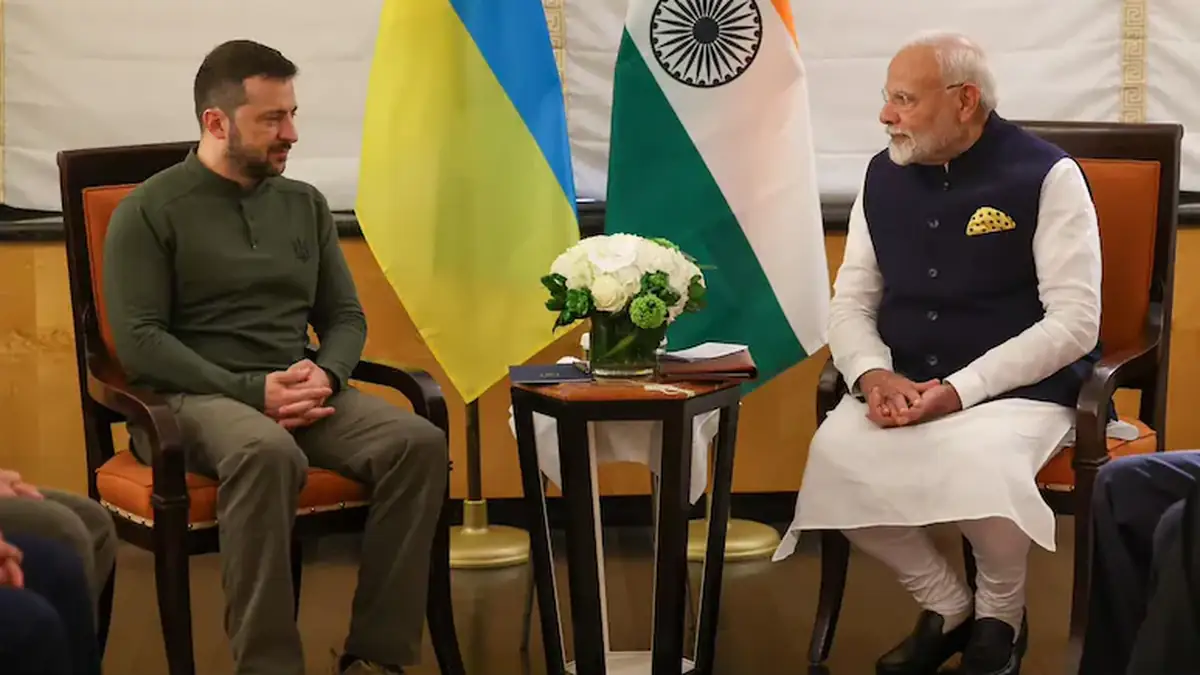
Prime Minister Narendra Modi picked up the phone to Ukrainian President Volodymyr Zelenskyy on Monday evening. A few hours later, External Affairs Minister S Jaishankar called Russia's Sergey Lavrov. Both calls came the day before Russian, Ukrainian and American officials sit down in Abu Dhabi.
Afterwards, Zelenskyy said India was ready to mediate "food corridors" so grain can move through the Black Sea again. Modi's post said nothing of the sort.
Modi called the conversation productive. He said the two leaders went over their bilateral cooperation, agreed to strengthen ties, and talked about the conflict and its humanitarian side. The Ministry of External Affairs readout repeats India's standard position: the war has to end through dialogue and diplomacy, India's approach stays human-centric, and it's willing to help in any way it can. Zelenskyy shared his own view of recent developments, the readout says, and that's about as far as it goes.
Zelenskyy gave a longer account. He said he briefed Modi on the diplomacy, that Ukraine is working through every item on the Abu Dhabi agenda, and that Kyiv has been constructive while Moscow has to show the same readiness to de-escalate. He also pointed out that Modi has said more than once, to Putin's face included, that this is the time to end the war and not to keep fighting it. Then came the ask. India, he said, should figure out what steps it can take and which leaders it can talk to.
This is where the two accounts split.
Zelenskyy says they discussed Russia blocking grain exports through the Black Sea, and that hundreds of millions of people around the world are paying for it. India is ready to mediate, he said.
That's Kyiv's telling. Nobody in Delhi has confirmed a formal offer. But it isn't coming from nowhere, because Indian officials have been talking about grain and fertiliser shipping for months.
Strip away the diplomacy and India's interest is fairly plain. Indian officials have spent months warning that fuel and fertiliser shortages are hitting poorer countries hard, and they put the blame on two things at once: the Russia-Ukraine war and the conflict in West Asia. India is a big importer and a loud voice for the Global South. A Black Sea that works is good for both roles.
There's a safety angle too. Indian seafarers have been killed on these routes this year.
Short and sparse. Jaishankar said he spoke to Lavrov that evening and that they covered the Ukraine conflict and ongoing diplomatic initiatives. No readout on grain, and nothing on how Moscow responded.
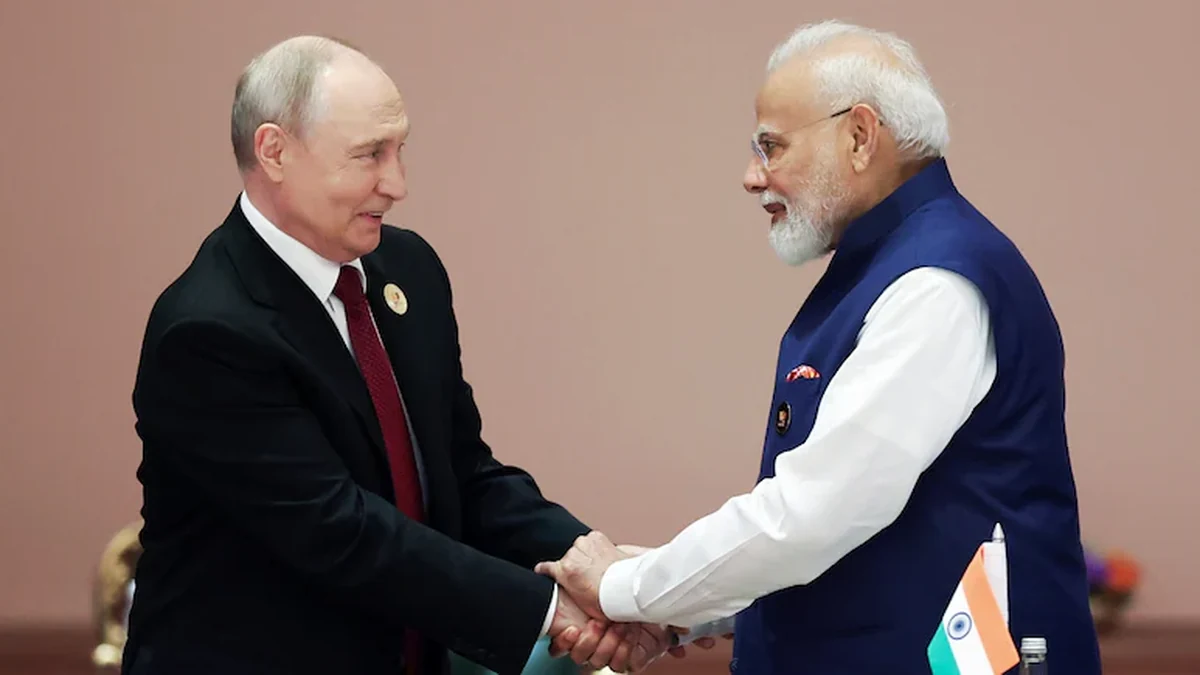
Modi met Vladimir Putin in Bishkek at the end of August, on the sidelines of the Shanghai Cooperation Organisation summit, and urged him to move from an "endless war" to an end to it. They spoke again at the BRICS summit in New Delhi in mid-September. Jaishankar, for his part, flew to Kyiv and met Zelenskyy.
Ships are what pushed grain up the list. In July, attacks on merchant vessels by both Russia and Ukraine killed and injured Indian sailors, and Jaishankar raised it with both foreign ministers. What he heard back, he said later, was that grain exports had almost ground to a halt, and the hard problem was separating food cargoes from energy cargoes. By early October, speaking at a conclave in New Delhi, he described India as mediating on safe passage for grain and fertiliser, because the Global South takes the worst of it when those stop. He called the shortages the "4Fs": fuel, food, fertilisers and finance.
Russia and Ukraine held three rounds of US-mediated talks earlier this year. Two were in Abu Dhabi, on January 23 and 24 and February 4 and 5. The third was in Geneva, February 17 and 18. The war is close to five years old, and none of those rounds ended it.
Zelenskyy said on Monday night that his negotiating team is already in the UAE and that the first meeting is Tuesday. European partners will be there too, with separate meetings alongside. Every one of those formats, he said, has to serve a single purpose: bringing real peace closer. Ukraine plans to put de-escalation steps on the table and wants to understand how a leaders-level meeting with Russia and the US could be arranged. He listed security guarantees and real money for postwar recovery as non-negotiables for Kyiv. US officials, meanwhile, say they see a genuine chance of progress this time.
Some reports describe the round as technical-level talks, so officials working through details rather than leaders closing a deal. That fits Zelenskyy's own wording, which was about steps and arrangements, not a settlement.
Grain hasn't appeared on any published agenda.
The first sessions start today.