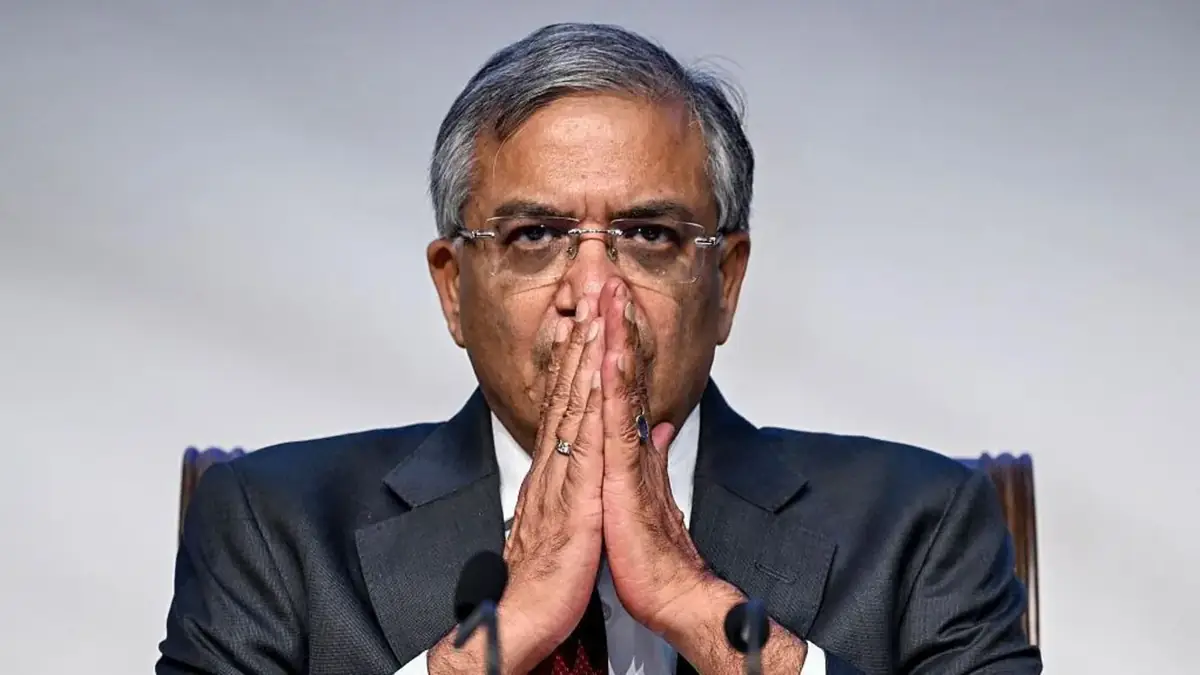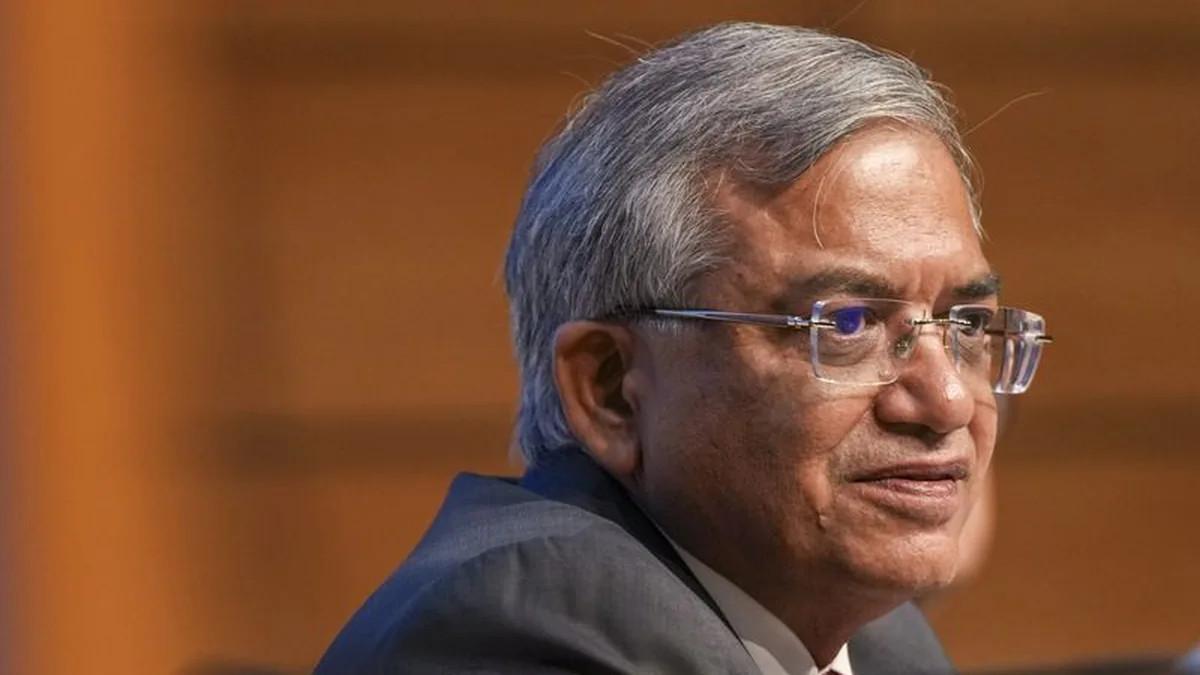
The Chief Election Commissioner, Gyanesh Kumar, has become the focus of a controversial issue concerning the revision of India's electoral rolls. The controversy is based on the Electoral Commission's Special Intensive Revision.
which is commonly abbreviated as SIR, a process designed to revise the electoral rolls in a way that has raised significant controversies regarding transparency. Reports of rifts among the members of the election panel are further complicating the whole situation.
The conflict has escalated to such an extent that a petition has been filed before the Supreme Court by one Rakesh Kumar Singh demanding, among other things, suspension of Kumar from the post of CEC and a ruling from the Court that powers delegated to the Election Commission cannot be exercised unilaterally by the Chairperson of the Commission.
As per the latest reports, Kumar has been continuing as the Chief Election Commissioner despite the legal proceedings being initiated against him.
Gyanesh Kumar, an IAS officer belonging to the Kerala cadre of the 1988 batch, is the 26th Chief Election Commissioner of India.
He was on the Election Commission as an Election Commissioner from March 2024 when he joined the Commission and became the Chief Election Commissioner in February 2025, taking over from Rajiv Kumar.
It is important to note that he is the first CEC to have been appointed through the new procedure in India to appoint election commissioners, and his tenure will go up to January 2029.
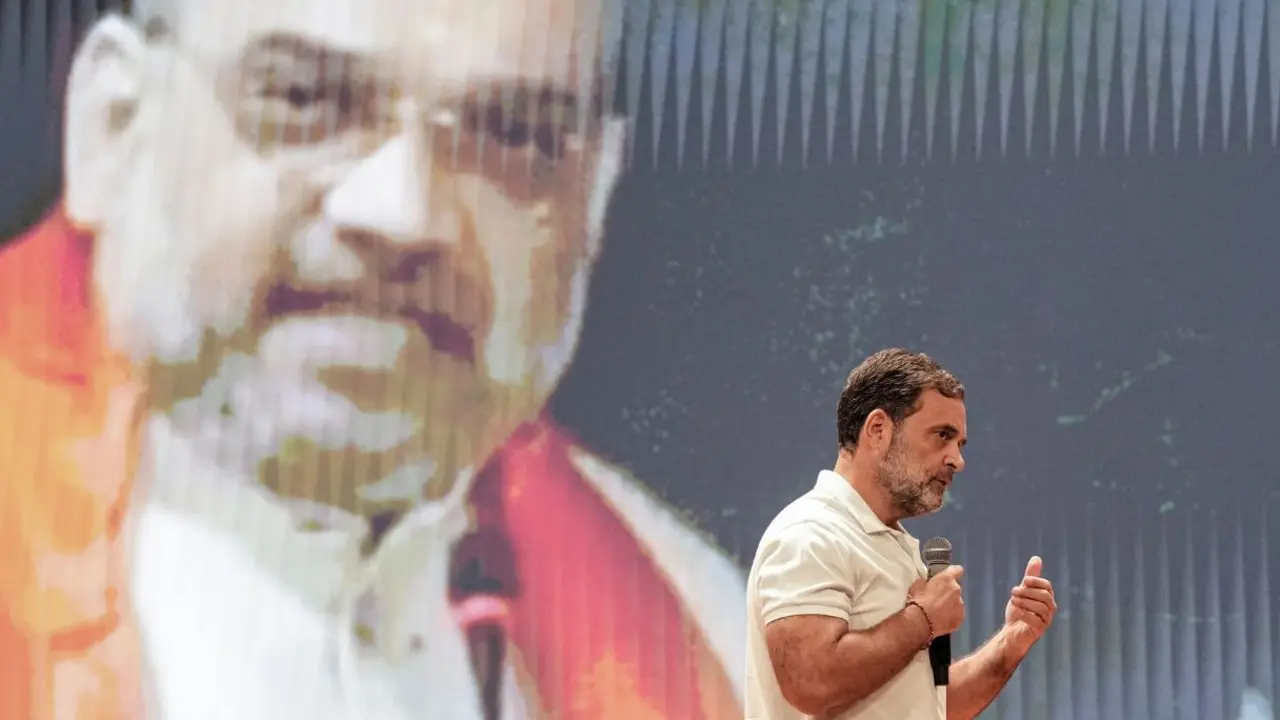
He was not appointed to this position without any controversy, as it drew a formal dissent note from Congress president Rahul Gandhi, as he expressed his apprehension regarding the impartiality of the election commission selectors.
This controversy is now not just in courtrooms but on streets as well. Social activists and students have planned a protest at Jantar Mantar in New Delhi on October 2, which is also scheduled on Gandhi Jayanti.
demanding action against Kumar for the Election Commission’s role in the revision of the electoral roll. On October 1, Delhi Police had not yet given permission for this protest.
On a parallel note, Abhijeet Dipke, the founder of the Cockroach Janta Party, has arranged for a "Jail Bharo Andolan" (Fill the Jails Movement) in Mumbai's Shivaji Park on the very same day as Kumar's planned protest.
The founder of Dipke's organization had previously threatened to organize a nationwide protest against the Chief Election Commissioner in Mumbai should he not step down by September 26, which deadline was missed by Kumar, leading the former to go ahead with his planned demonstration.
The Mumbai police have similarly turned down the permit sought by the CJP for their protest in Mumbai.
In stark contrast to the political turmoil Kumar faces back home is his status internationally, in particular his chairmanship of the Council of Member States of the International Institute for Democracy and Electoral Assistance, or International IDEA, for 2026.
The chairmanship has been taken up by India in Stockholm, Sweden, wherein Kumar stressed the magnitude of the Indian democratic process, referring to over 900 million voters spread out over 28 states and eight union territories of India, along with having 18 general elections to parliament post-independence.
Kumar has also projected India's competence in electoral management through other international forums this year, including bilateral discussions that took place in January among 32 heads of election management organizations on the sidelines of an international conference on democracy and election management, in which India proposed to help other countries establish technology platforms like its own ECINET system.