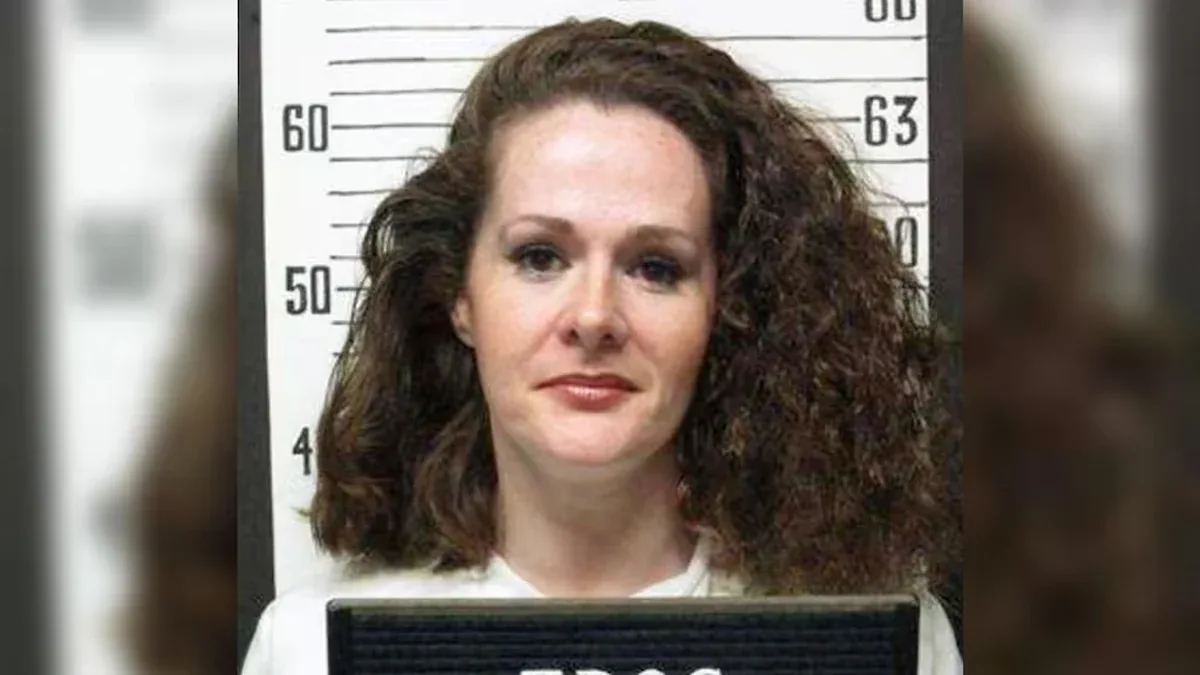
Christa Gail Pike, aged 50, was slated for execution by lethal injection in Tennessee on Tuesday, September 30, 2026, as a result of the murder of 19-year-old Colleen Slemmer in 1995. Just about an hour before the scheduled execution of Pike, however, a federal appeals court stayed the execution pending its consideration of Pike's claims that her complaints of childhood sexual abuse and rape had been considered adequately in her initial sentencing hearing.
If her execution had taken place, Pike would have been the first woman executed in Tennessee in 200 years and the 19th woman executed in the U.S. in the modern era.
While Pike does not deny her participation in the murder of Slemmer in 1995, when she was 18 years old, she, along with two others, lured Slemmer to a wooded area and killed her in a frenzy of jealousy. She was convicted in 1996 and given a death sentence, becoming one of the youngest women to be put on death row in the country.
The efforts to stop Pike from being executed have less been based on her guilt, which her attorneys have not argued, and whether she received full details about her past when the jury sentenced her.
Assistant Federal Defender Stephen Ferrell has claimed that Pike had been sexually abused from when she was a toddler and raped when she was aged 11 and 17 years old. As he argues, the trial lawyers for Pike failed to present this information during the sentencing phase of the case, alongside the fact that her young age could be an issue.
Pike tried to kill herself using acetaminophen when she was still in the third grade. The court records show that she has undergone years of psychiatric treatment after that time. In addition, Pike has been found out to be suffering from bipolar disorder and post-traumatic stress disorder.
It was Pike's testimony that she wanted to fight Slemmer, but then she became involved in the killing. Her lawyers have said in the clemency documents that because of her untreated mental disorders and her past, she couldn't stop herself from the violence.
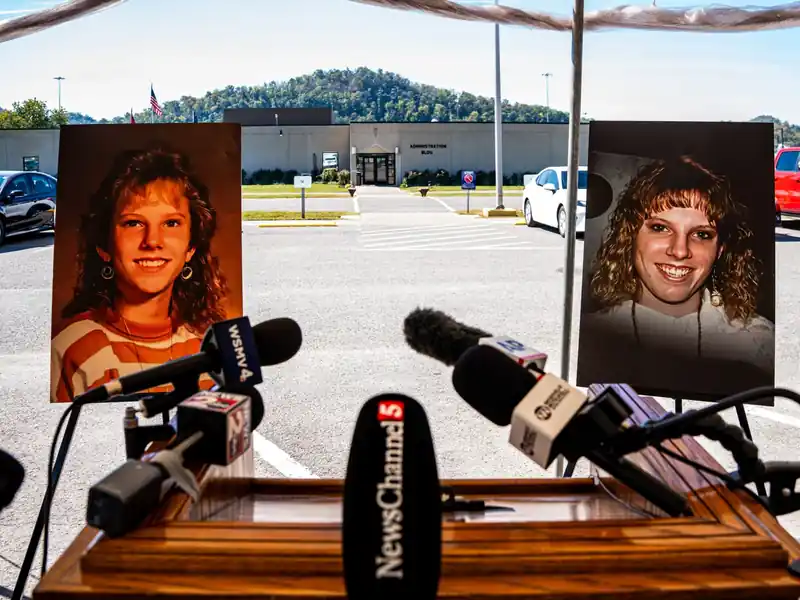
Photo: @Martin B. Cherry / Nashville Banner
The case of Pike has brought back into focus the issue of how the justice system deals with cases involving those who were not long adults or even still minors under certain laws at the time they committed their crimes.
As Ferrell notes, the death sentence of Pike is considered an exceptional case, even when compared to others in the state, since there are other 18-year-olds who have been able to have their death sentences overturned through appeals.
Several human rights groups, such as Amnesty International, have asked Governor Bill Lee to commute Pike's death sentence, considering that her case is that of a state failing to protect its own children as well as legal counsels that fail to represent their clients.
However, this case is not seen alike by everybody. The mother of Slemmer has stated that she wants the execution to go forward since she has been waiting for decades to see this sentence fulfilled.

Photo: @Associated Press
Because of the intervention by the federal appeals court, Pike's execution is currently stayed as the court reviews if her constitutional rights were denied due to the lack of inclusion of mitigating evidence during her sentencing trial.
Law professor Deborah Denno, who specializes in the death penalty and is known for her research, along with Robin Maher, executive director of the Death Penalty Information Center, are also two authorities quoted in the case's news coverage as it draws nationwide attention to issues of how courts consider childhood trauma and mental illness when considering the death penalty.
There is no new execution date as of the court decision, and the case will most likely proceed through the federal appeals process in the coming weeks.