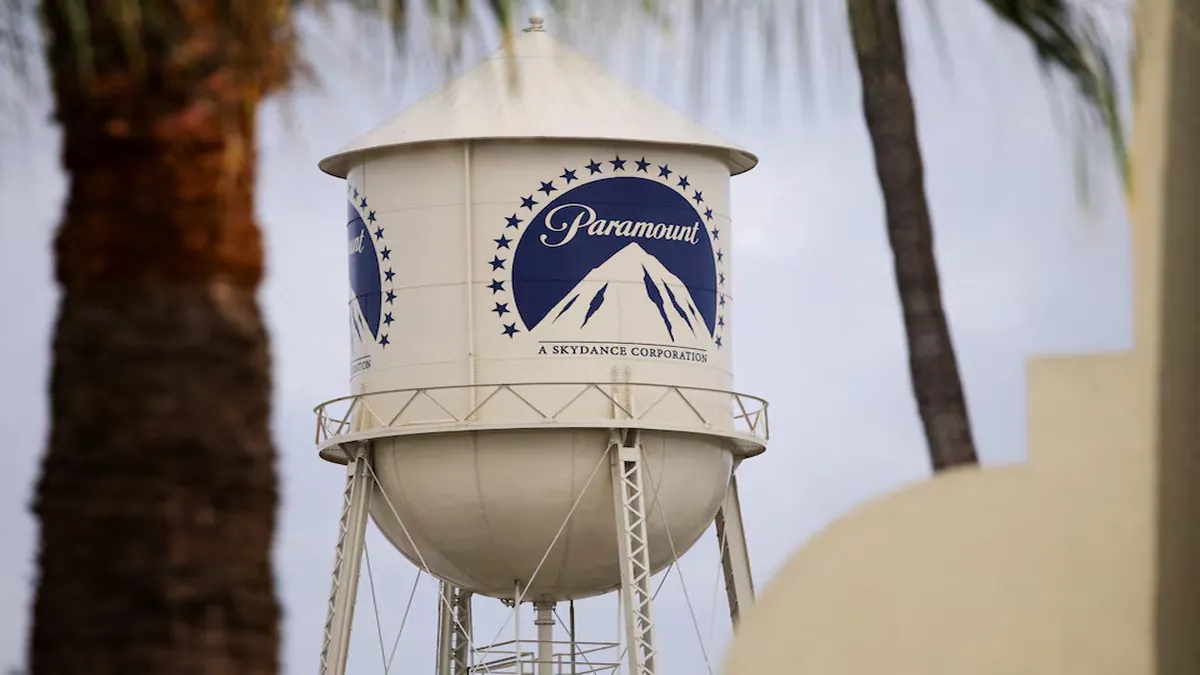
Paramount Skydance's $110.8 billion bid to acquire Warner Bros Discovery hit a snag this week: a federal judge in Oakland declined to approve the antitrust settlement Paramount had struck with California and 11 other states, saying the matter needs more time, and opened the door to outside groups filing objections.
That's a reversal from just four days earlier, when the settlement looked like it had cleared the deal's last major hurdle.
Meanwhile, Paramount is pressing ahead on financing regardless, seeking a $7.5 billion debt raise (part of a reported ~$49 billion package) with Citigroup running investor meetings, even as S&P downgraded the company's credit rating over the added leverage. The settlement itself has drawn sharp criticism: analyst Matthew Belloni flagged unusual terms (major studio films counted as "indie," no requirement to keep production in California, a recession clause that could void the whole deal), while NYC Mayor Mamdani and Senator Van Hollen have publicly blasted the merger over media consolidation concerns tied to the Ellison family's ties to Trump.
Civil rights groups, a "Block the Merger" coalition, and actor Mark Ruffalo have all pushed for the deal to be delayed or blocked. Forbes reports a resolution likely won't come until at least next week.
None of the legal drama has slowed down the financing side. Paramount is now seeking a $7.5 billion debt raise specifically to help fund the Warner Bros acquisition, according to Reuters, with Citigroup running loan investor meetings to line up the capital.
Other reporting has pointed to a much bigger debt package tied to the overall deal, somewhere near $49 billion once everything's accounted for. S&P, unsurprisingly, downgraded Paramount Skydance's credit rating over the higher leverage that comes with taking on that much debt at once.
That's the tension running through this whole story right now. The company's acting like the deal is happening. The court isn't so sure yet.
The pushback isn't just procedural. Media analyst Matthew Belloni flagged a handful of details in California AG Rob Bonta's settlement that struck him as odd, things like counting studio films Sinners and Tenet as "indie" productions, no actual requirement that Paramount keep filming in California, freedom to relocate headquarters anywhere, and a clause that voids the entire agreement if a recession hits. Whether or not those provisions survive further scrutiny is now partly what the judge is weighing.
Politically, the reaction has been loud. New York City Mayor Zohran Mamdani posted that the merger strikes a chilling blow against that freedom, referring to media independence, and credited New York's attorney general for securing worker protections in a separate settlement.
Senator Chris Van Hollen went further, saying flatly that the merger was illegal from day 1, and warning that the Ellison family, major donors to Trump, would end up controlling CBS, CNN and TikTok all at once if it closes.
Civil rights groups and religious leaders have also asked the court to delay approval, and a coalition calling itself Block the Merger has filed its own legal request opposing the deal outright.
Free Press reported activists took to the streets over what they're calling a weak settlement.
There's a labor and geography angle too. Paramount has reportedly been scouting office space in Nashville as it weighs moving operations out of Los Angeles altogether, a prospect that's landed hard in a city already anxious about what a Warner Bros merger means for production jobs.
Actor Mark Ruffalo has been one of the louder voices pushing back, publicly urging Bonta not to cave to Paramount and later criticizing Governor Gavin Newsom over how the state has handled the fight.
Industry coverage has been blunt about the stakes for Hollywood generally, with pieces questioning whether the combined company will end up being, as NPR put it, the thing that undoes parts of the industry rather than strengthens it.
Others are already writing HBO's eulogy as a standalone brand, assuming the deal eventually goes through in some form.
Forbes reported the settlement question likely won't get resolved until at least next week, with the judge continuing to question the agreement's terms.
Paramount, for its part, is moving ahead on financing as though the outcome isn't seriously in doubt. Whether that confidence is justified depends entirely on what happens in that Oakland courtroom over the coming days.