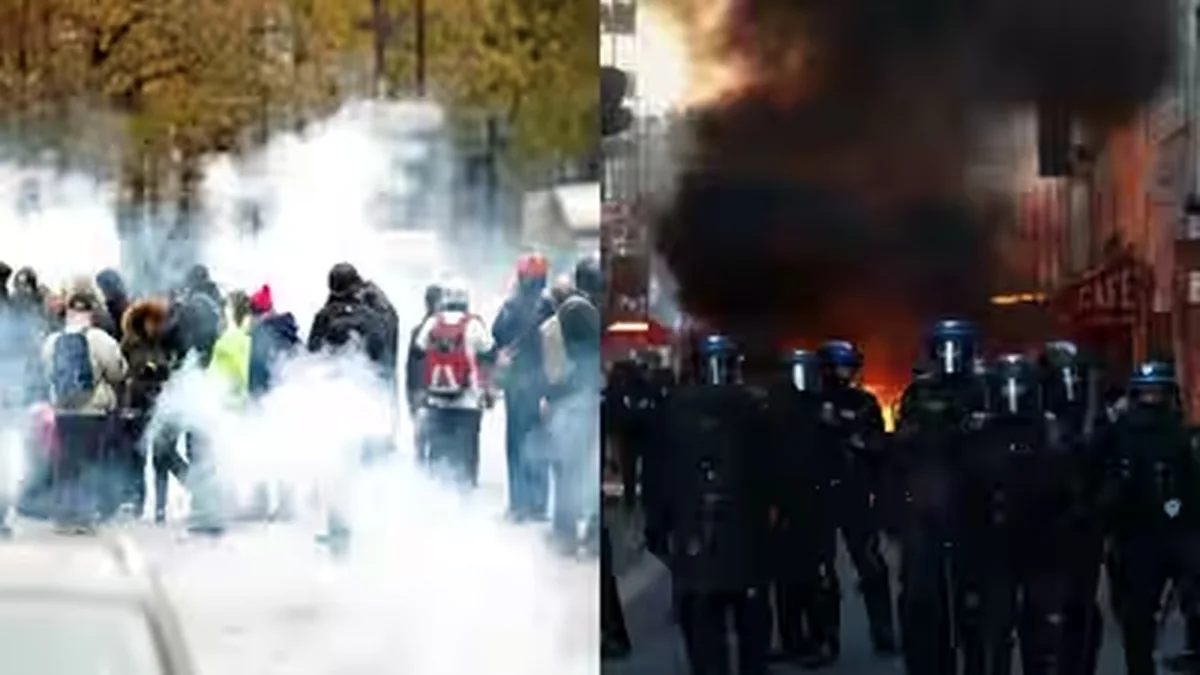
Paris closed 21 metro stations for Saturday's protests, a list that runs from Châtelet to Étoile. It is the fifth Saturday in a row that France has had mass demonstrations, and the state isn't taking chances. Reports put the police deployment at around 70,000 officers and gendarmes nationwide, about the same as on October 24 and again on November 5.
Three marches are planned in Paris. French media expect 30,000 to 60,000 people across the three.
Smaller than October, when the authorities counted 110,000 in the capital on the 24th.
AFP's read is that the day splits two ways: child-rights groups on one side, opponents of the new police bill on the other. Both crowds share the same sour mood over prices and public services.
The bill is the new part. Passed by the National Assembly in July, it says a police officer who uses force is presumed to have acted legally. The Senate is next.
Opponents call it a "licence to kill," and that's where the slogan comes from. More than 730,000 people have signed a petition against it. Amal Bentousi, whose brother Amine was shot by police in 2012, says it reverses the burden of proof. Mathilde Panot of the hard-left France Unbowed told a Paris crowd in September that "the police kill already."
Marine Le Pen's National Rally backs the bill. Supporters say officers shouldn't be automatically suspected of excessive force, and that nobody is being handed immunity from prosecution.
Al Jazeera ties the bill to years of complaints about police violence in the banlieues. RFI has argued that police violence has radicalised the student protests too.
It started with schools. Reuters says parents, teachers and students in working-class suburbs began protesting over poor conditions and teacher shortages. Amnesty International dates the first protests to August 31, in the overseas territories. By October the complaints covered inequality, spending cuts and the cost of living.
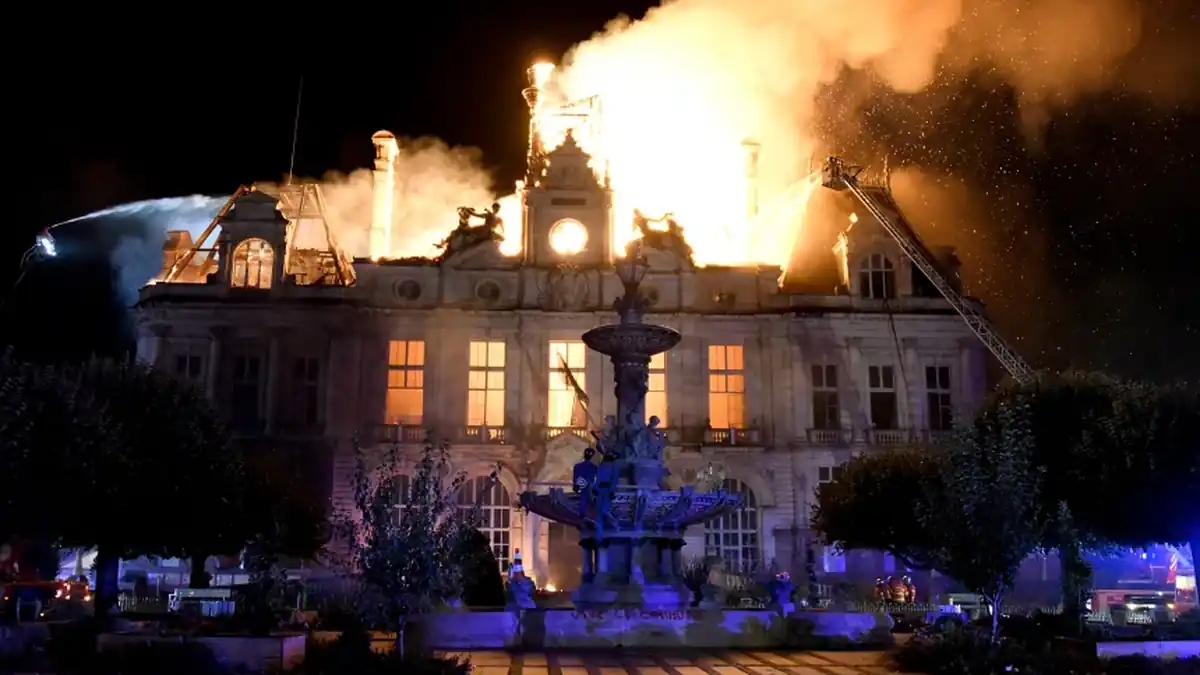
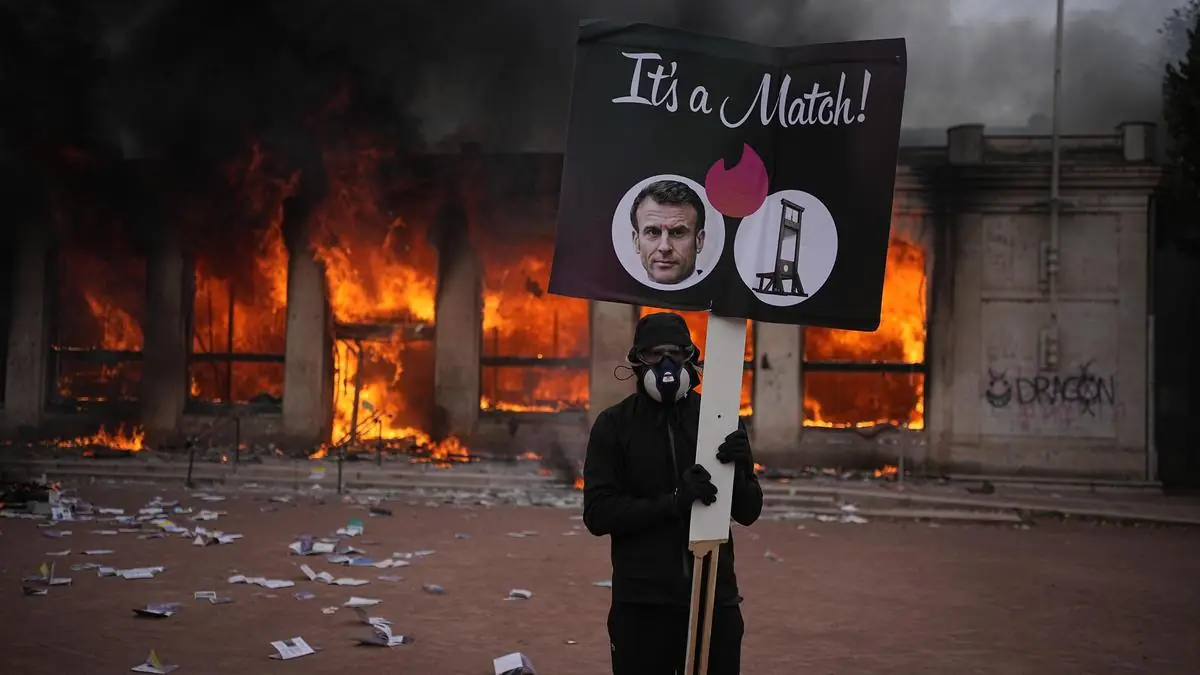
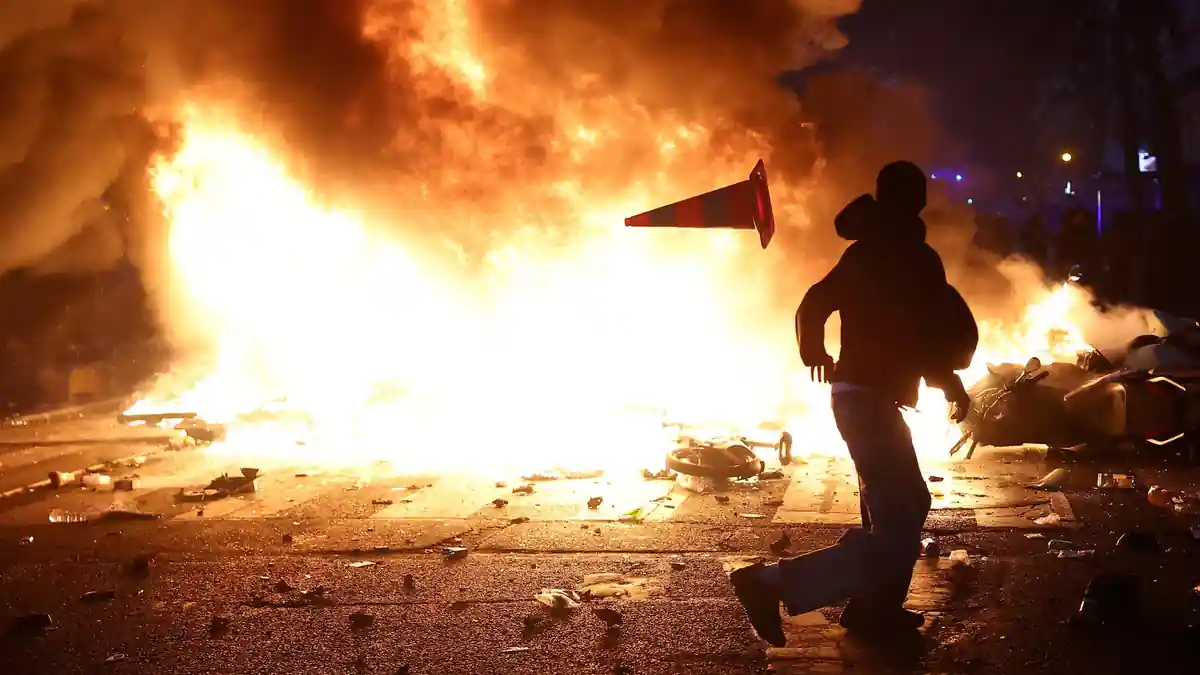
October 17 was the bad day. More than 500,000 people marched. Then groups of hooded youths started going after shopping areas and government buildings. About 1,200 people were arrested and 150 police officers injured, Reuters reported. In Limoges the local prefect said up to 3,000 rioters were out, and the city hall caught fire. The government's own estimate is at least 3,000 businesses damaged or looted.
A week later the Louvre shut. So did the other big Paris museums, and Art Basel cancelled its weekend program.
Money is tight. France's borrowing costs are at a two-decade high, Reuters says, which leaves little room to spend its way out of this. A presidential election is about six months away.
Never trust a single figure. On October 24 the authorities counted 410,000 protesters nationwide and the CGT union counted 800,000. On November 7 the Interior Ministry said 146,000 and the youth union alliance said 250,000. In Paris that day, police said 46,000 and organizers said 75,000.
Whoever you believe, the line points down. One outlet tracking the counts says another figure under 146,000 on Saturday would suggest the movement is fading, while a jump above it would mean it's regrouping.
Total arrests since the unrest began are reported at more than 4,900, though that comes from a single report.
On November 5, a strike day, the walkout alone cut French nuclear output by 2.4 gigawatts early in the morning, press reports said.
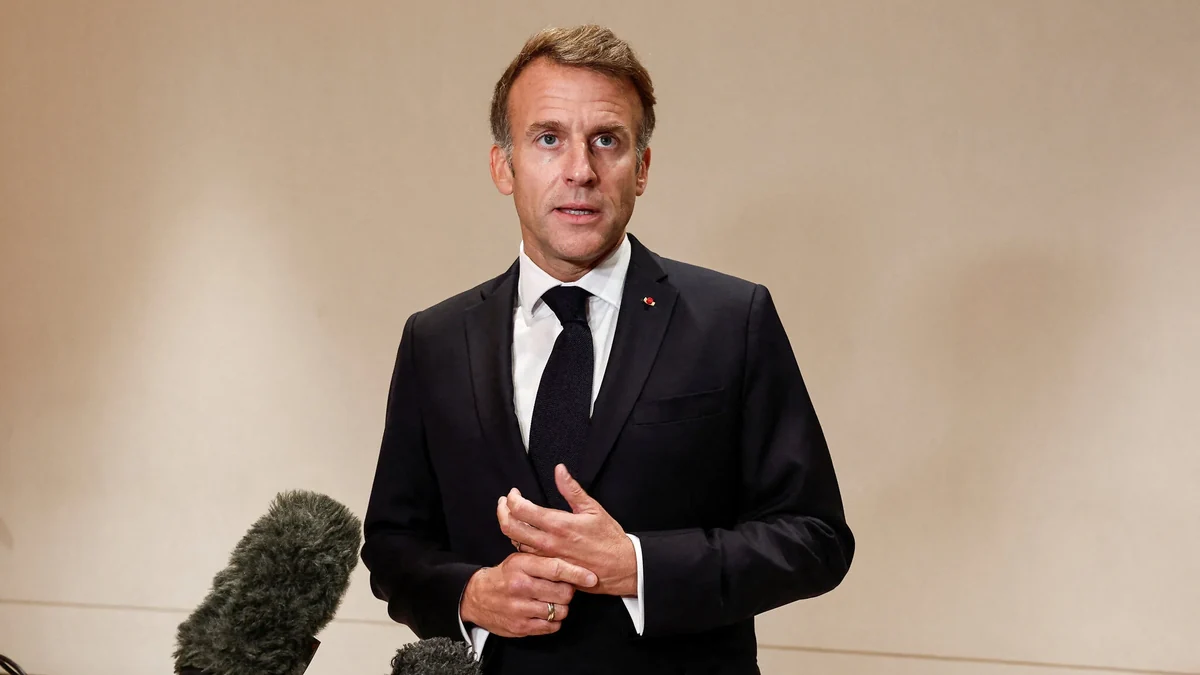
Macron has promised to prosecute and punish those behind the attacks. Interior Minister Laurent Nuñez says police will be "absolutely uncompromising" and will make arrests firmly. Ministers have accused Jean-Luc Mélenchon's party of stoking tensions. Le Pen blames what she calls Macron's "powerlessness."
Amnesty has a different complaint. It wants lawmakers to drop a "rioters pay" bill that would make demonstrators liable for damage even if someone else caused it, saying it would scare people away from peaceful protest.
Fifteen-year-old Aaron told Reuters before the October 31 marches that he was going out for a third week running. His argument was simple: if schools lack resources, France's future suffers.
The police bill still has to clear the Senate. As of the November 7 count, no new national day of action had been confirmed. The Yellow Vests, whose Paris rally was banned that day, have been calling for "mass disobedience."