Iran again. It's always Iran.
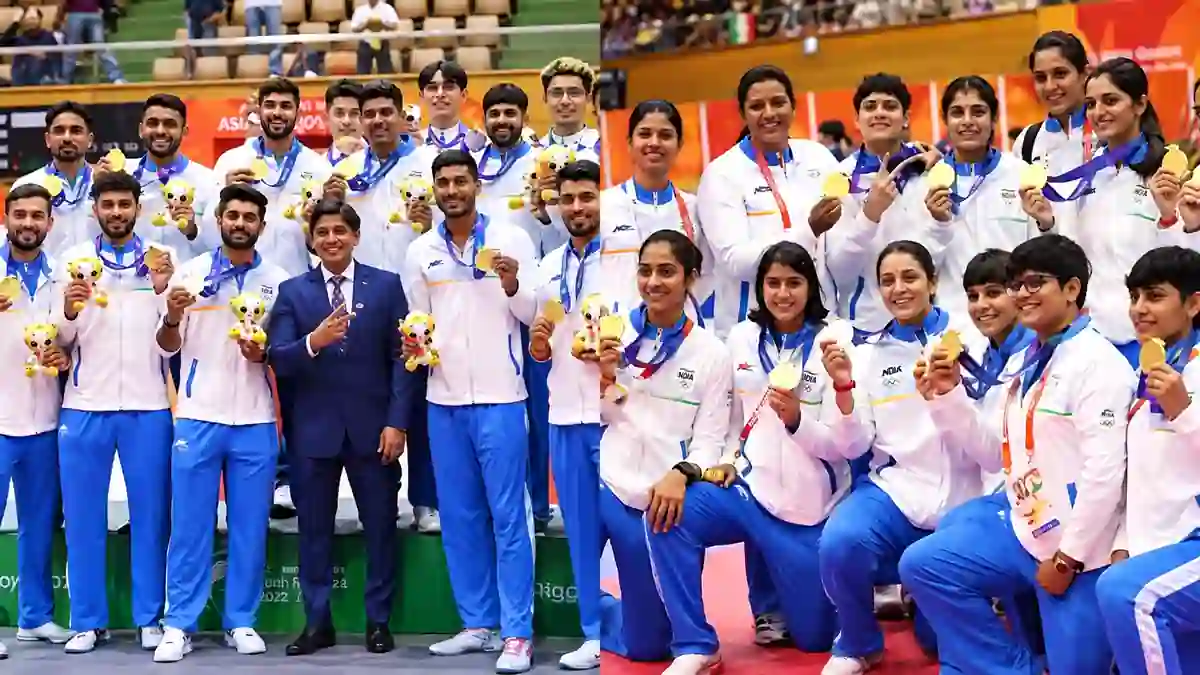
India's men's kabaddi team beat their long time rivals 40-34 to win gold at the Asian Games in Nagoya, their ninth title in the event, extending a record nobody else in the sport is anywhere close to touching. Hours earlier, the women's team had already done the same thing, edging Iran 37-34 in a final that stayed tight all the way through. Two golds, same opponent, same day. India's kabaddi program doesn't really do things quietly.
The men's final wasn't a straightforward stroll. Iran kept it tight through the first half, and reports from the game describe India needing a sharper, more clinical second half defense combined with aggressive raiding to eventually pull clear. One moment that's been singled out repeatedly: a tackle from Rahul described as the turning point, the kind of individual play that shifts momentum in a sport where possessions swing fast and margins stay thin.
Captain Sunil Kumar didn't waste words afterward. Asked about the pressure of the moment, he said there's no competition bigger than the Asian Games, a fairly blunt way of admitting how much this particular final mattered to the squad. Team manager and analyst comments picked up by PTI credited the raiders specifically for making the difference once the match opened up.
Then there's the detail that's been getting its own headlines separately from the result itself: reports suggest the team skipped eating before the final entirely, something closer to superstition than nutrition science, and one that's now being framed with the phrase "khali pet gold jita hai," roughly, they won gold on an empty stomach. Whether that was a deliberate ritual or just nerves getting in the way of appetite isn't entirely clear from what's been reported, but it's the kind of small human detail that tends to stick around longer than the scoreline.
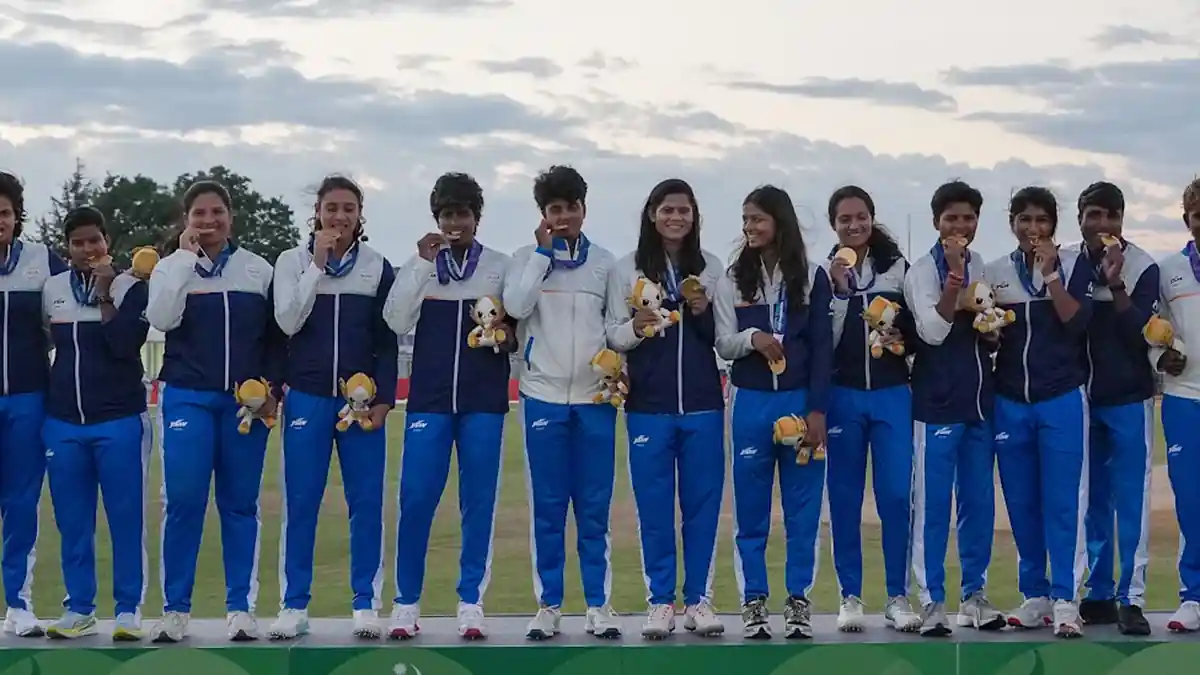
If anything, the women's final carried even more emotional weight. India beat Iran 37-34 to retain their title, a scoreline close enough that it stayed live until the final raids.
Pushpa Rana, the team's captain, had reportedly told people beforehand that she'd bring gold home, and press coverage since the win has framed the result almost entirely around her having made good on that promise. Sanju Devi, representing Chhattisgarh, was credited as a key contributor in powering the team through their bracket toward the final.
The reactions afterward carried real weight too. Sonali Shingate dedicated the medal to her family and used the moment to call publicly for a proper women's kabaddi league, pointing at a gap in the sport's domestic structure that elite players clearly still feel even after winning continental gold. Ritu Negi framed her medal differently, dedicating it to her fellow countrymen rather than anyone personally. And Pinki Roy spoke about the setbacks she'd worked through to get here, without going into detail on what those setbacks specifically were.
There was a lighter moment buried in the coverage too. Jaideep, a member of the squad, joked about bringing churma from home only to find paratha waiting once they got to Japan, a small, almost throwaway comment that says a lot about how these athletes try to hold onto something familiar while competing on the other side of the world.
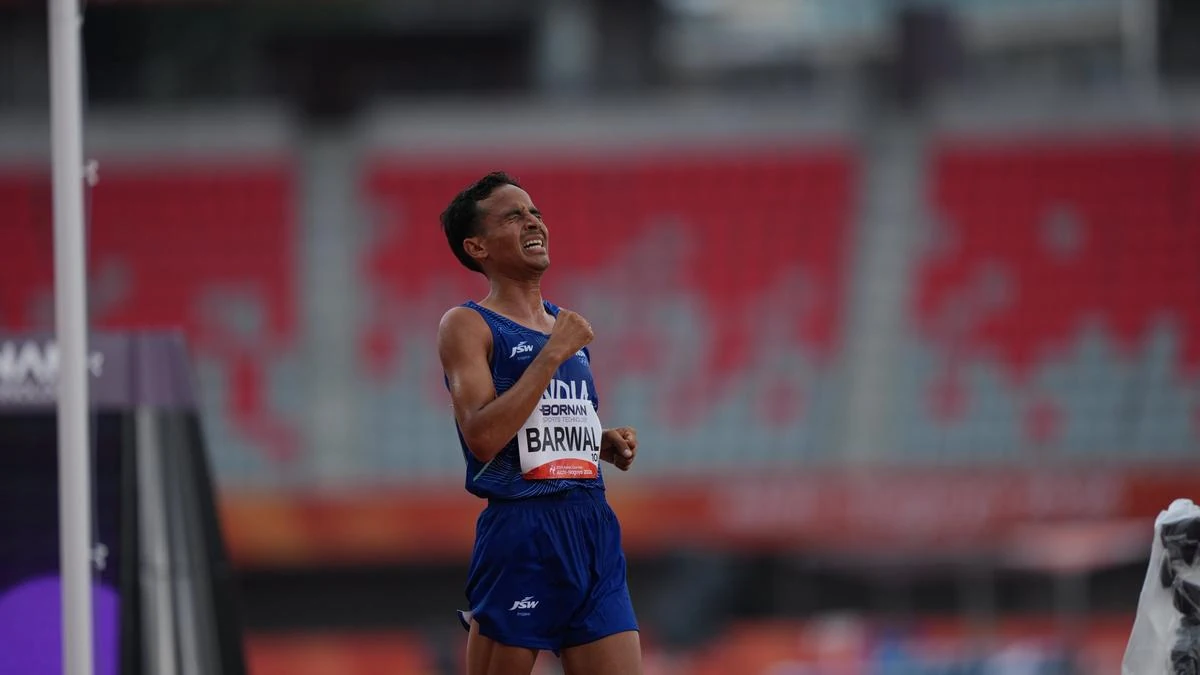
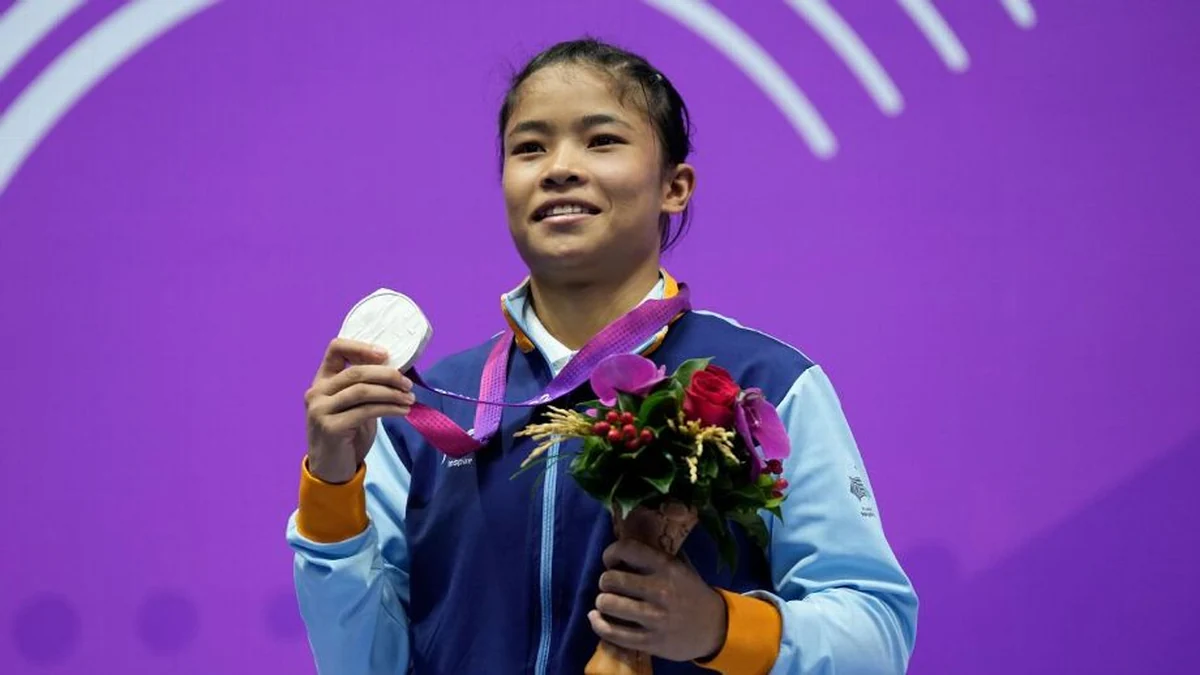
Kabaddi wasn't the only thing going right for India that day. Tilottama Sen, Vidarsa Vinod Kochalumkal, and Ashi Chouksey won silver in the women's 50m rifle 3 positions team event. Joshna Chinappa and Velavan Senthilkumar added bronze in squash mixed doubles. And according to Hindustan Times, the day's tally rose to seven medals total, with a marathon silver adding another storyline to what was already a packed 24 hours for the Indian contingent.
Political reactions rolled in fast and thick, as they always do during a Games. Rajyavardhan Rathore posted about the men's win calling it an unstoppable legacy. Anurag Thakur celebrated both the men's gold and the squash bronze separately, calling the kabaddi win a golden double day for India. It's the kind of language that gets used a lot during these tournaments, but for once the phrase actually matches what happened.
Nine golds in an event doesn't automatically make headlines feel fresh. Dominance can get boring to write about after a while. But India's kabaddi program has now been so consistently good, across both men's and women's competition, for so long, that the real story isn't really the winning anymore. It's whether any other country in Asia is building anything close to the depth India has in this sport, and right now, based on how these finals played out, the honest answer is probably not yet.
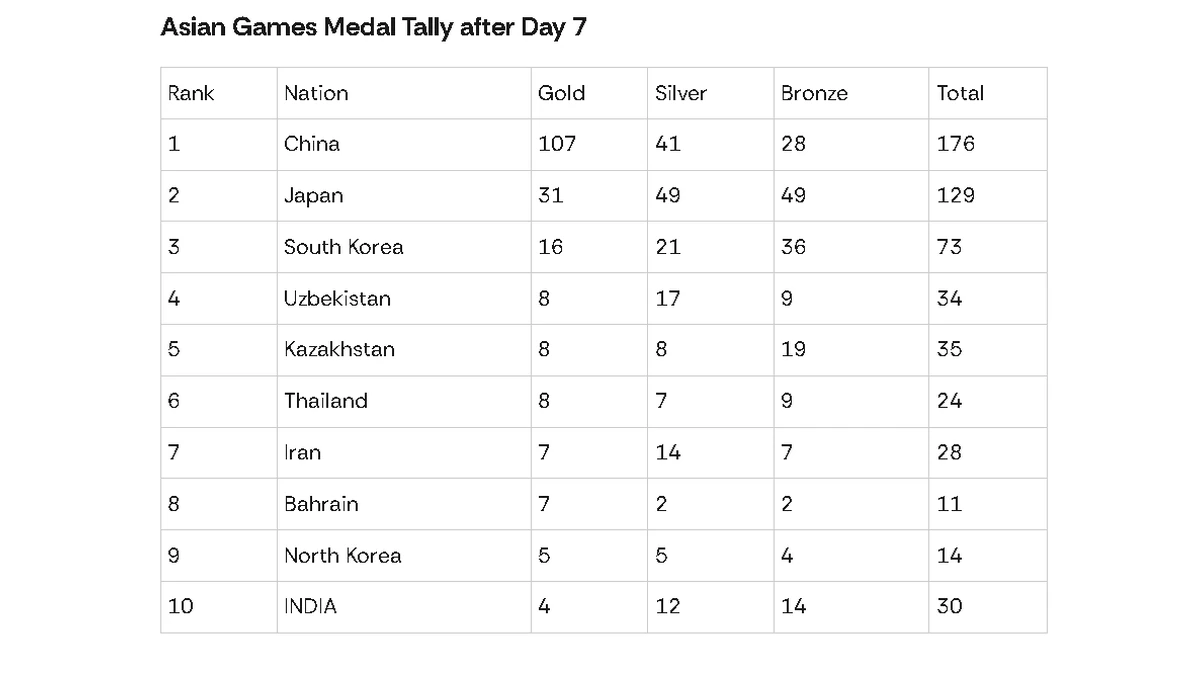
Photo: Data source: The Times of India