This war began on February 28, when US and Israeli strikes hit Iran and killed Supreme Leader Ali Khamenei. Iran then closed the Strait of Hormuz to foreign shipping. The US followed with a naval blockade of Iranian ports from April. A June memorandum signed in Islamabad was meant to end things, but it collapsed in July. Since then, both sides have been negotiating through intermediaries and trading threats.
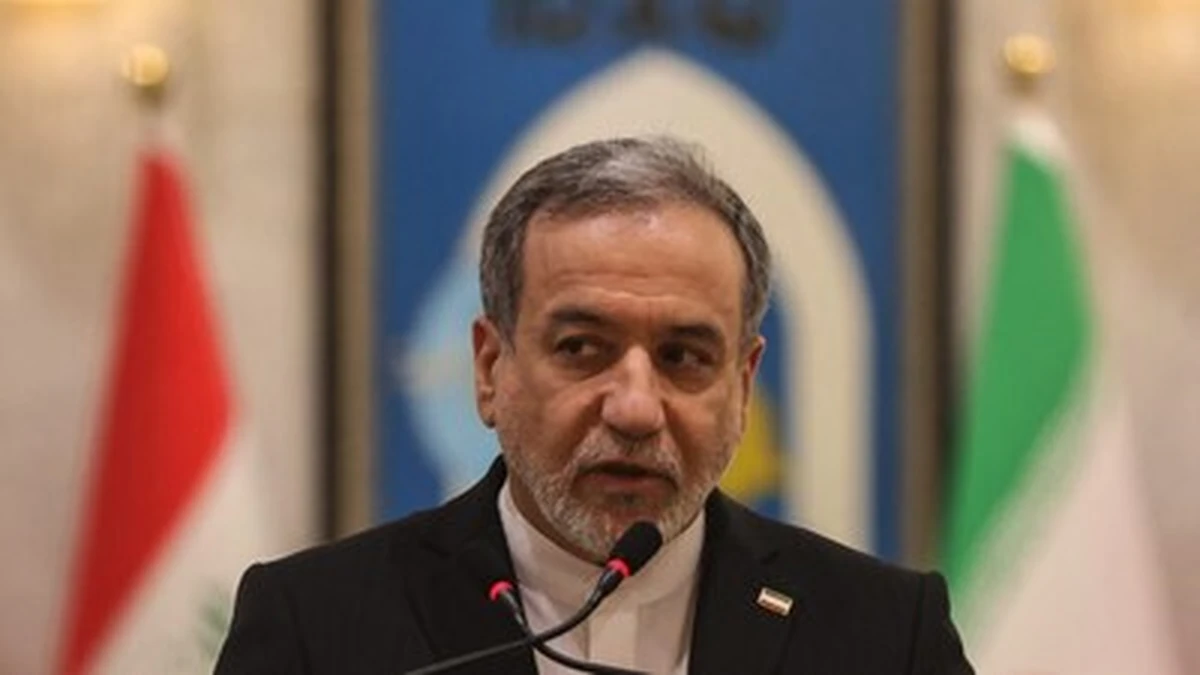
The new plan is a compressed version of an older one. Araghchi presented a seven-day roadmap at the UN on September 25, and Qatar-mediated talks have now brought that down to two days. Under the revised sequence, the US would take its steps on the first day, and shipping would resume on the second.
The conditions are not small. Araghchi named sanctions lifted since the Islamabad memorandum, fewer US forces in the region, restored oil waivers and frozen Iranian funds released. Iran also wants recognition of the route it has discussed with Oman, and an end to attacks on Lebanon. It says that if these are met, negotiations on the remaining issues can start.
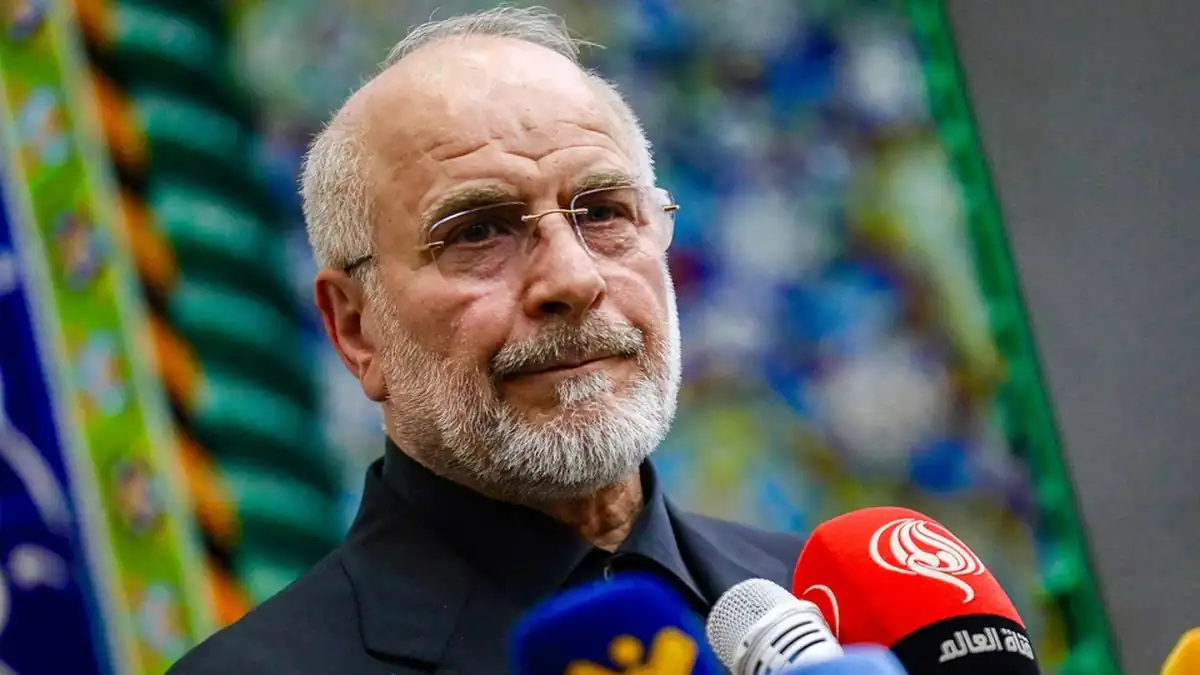
Iran insists the talks are not direct. Araghchi said meeting an American delegation is not on the cards, and that Iran’s Supreme Leader, Mojtaba Khamenei, ordered an immediate and unrestricted response to any threats. Reuters reported that Iranian negotiators had left Doha and that a draft proposal was being circulated.
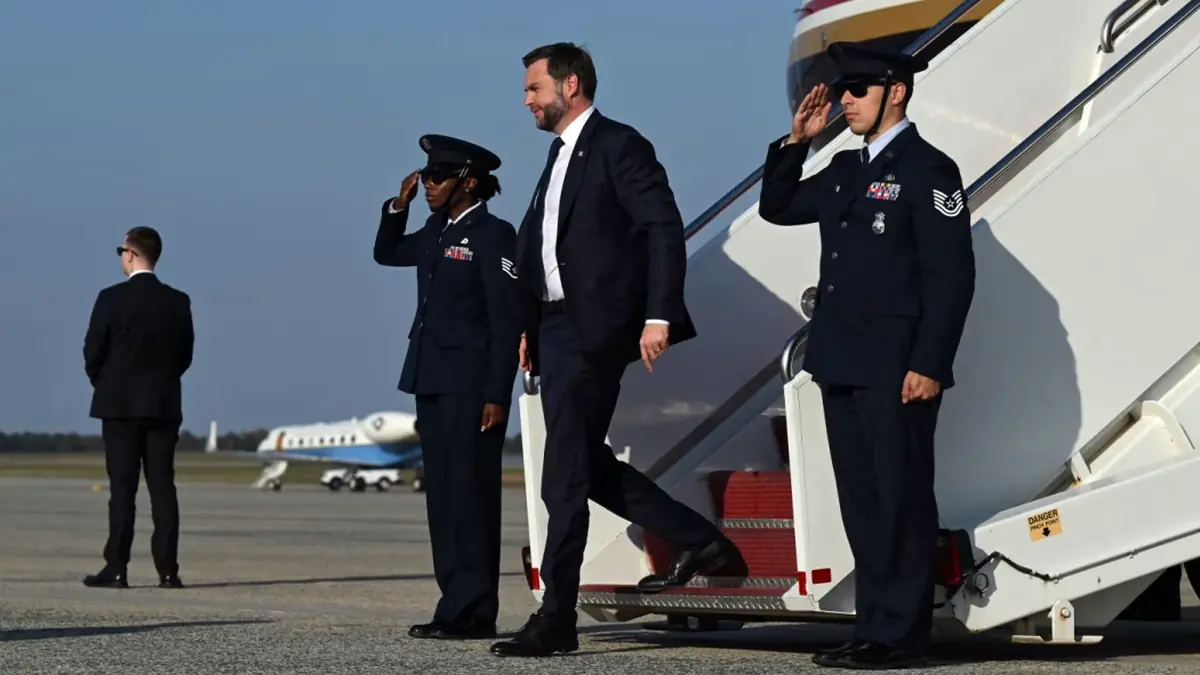
The US has been less specific. Rubio said Trump “hasn’t made a decision” on resuming strikes and prefers a diplomatic outcome, while expressing confidence that the US could act militarily if needed. Trump has said the US is not in a hurry for a deal, and in September he rejected the earlier seven-day version, saying Iran only wanted the strait open because it depends on the money.
The American position has hardened around two points. One is the blockade, which the US shows no sign of ending. CENTCOM says its forces have redirected 144 commercial vessels, and Treasury Secretary Scott Bessent said Hormuz traffic had returned to prewar levels without Iranian oil. The other is the nuclear question. Trump has demanded that Iran not obtain a weapon and end enrichment, and a draft deal reportedly proposes transferring enriched uranium out of the country.
Both claims are the administration’s, and Tehran disputes the picture. Iran says it still controls the strait.
The date matters more than it first looks. Trump pledged to hold off on new operations until after the November 3 midterms, and reports say strikes could come as soon as November 4. The New York Times and Wall Street Journal both report that the US is preparing for that possibility. Iran’s military leaders have warned of a “devastating” response.
That leaves a narrow window. If the US accepts something close to Iran’s plan, shipping could resume within days. If it doesn’t, both sides appear to be preparing for a resumption of fighting.
Neighbours are trying to avoid that. The European Council on Foreign Relations describes European and regional powers building a framework to prevent escalation without American leadership, and the Washington Post reports that the Gulf states are scrambling to keep the war from hitting their doorstep again.
Three questions don’t have answers yet. First, will Washington respond before November 4, and in what form? Second, will the draft’s uranium transfer, which Iran has not publicly accepted, survive? Third, can the two sides agree on sequencing, since each wants the other to move first?