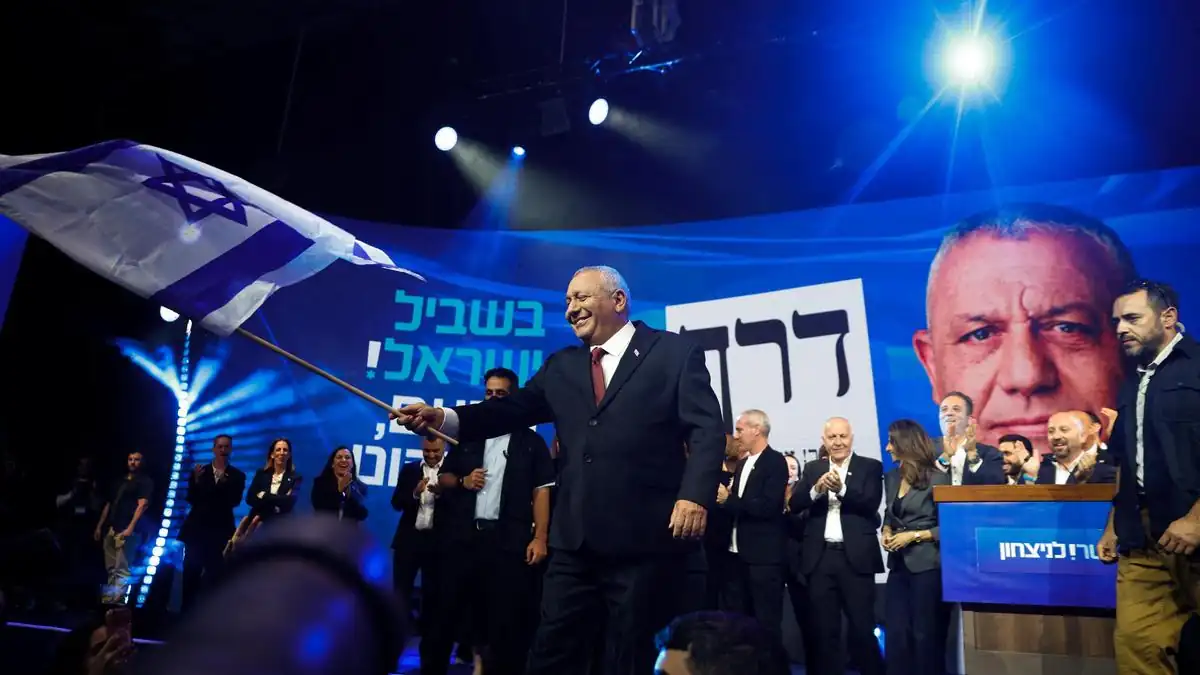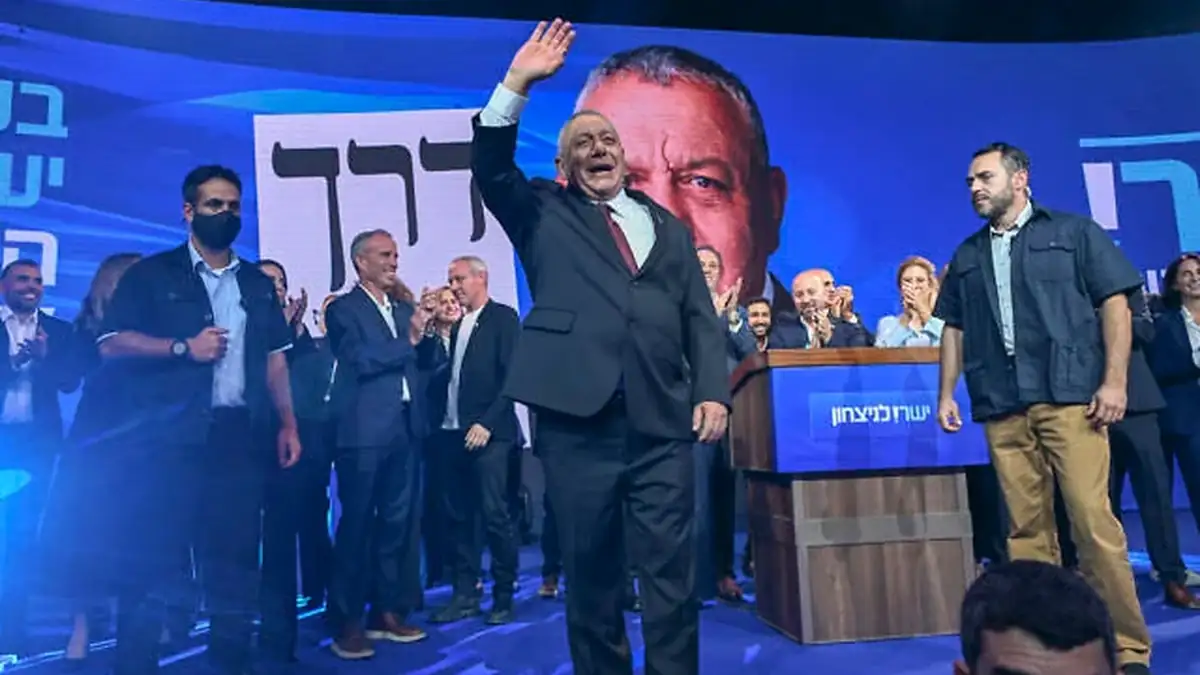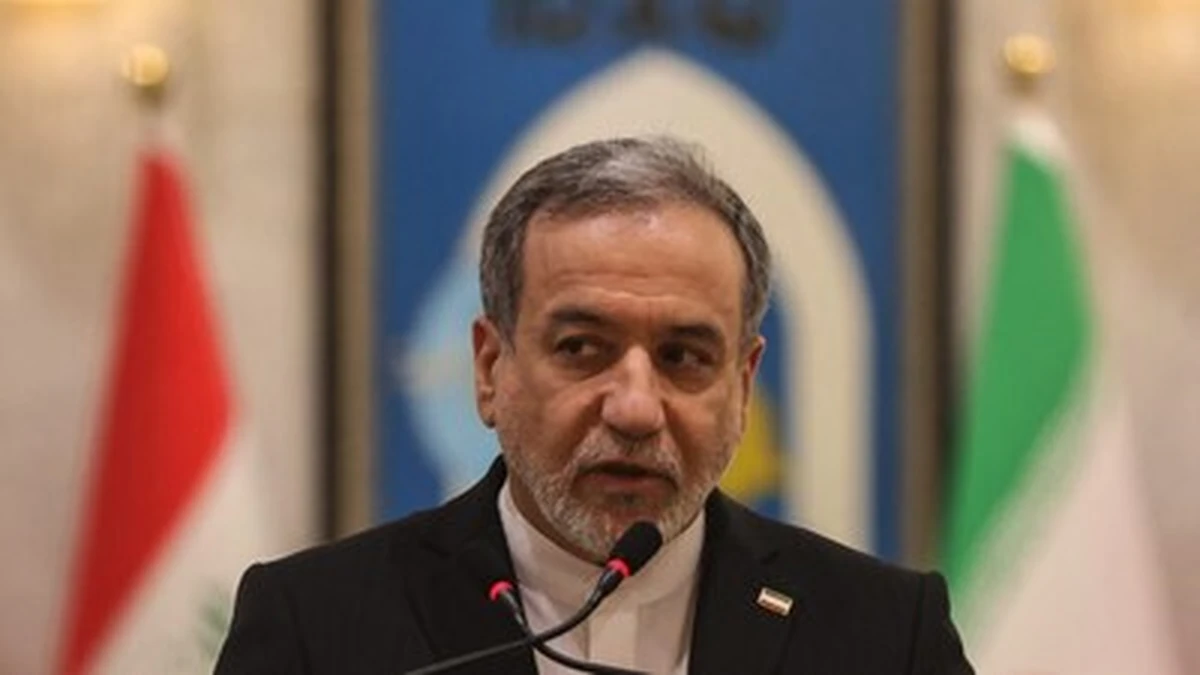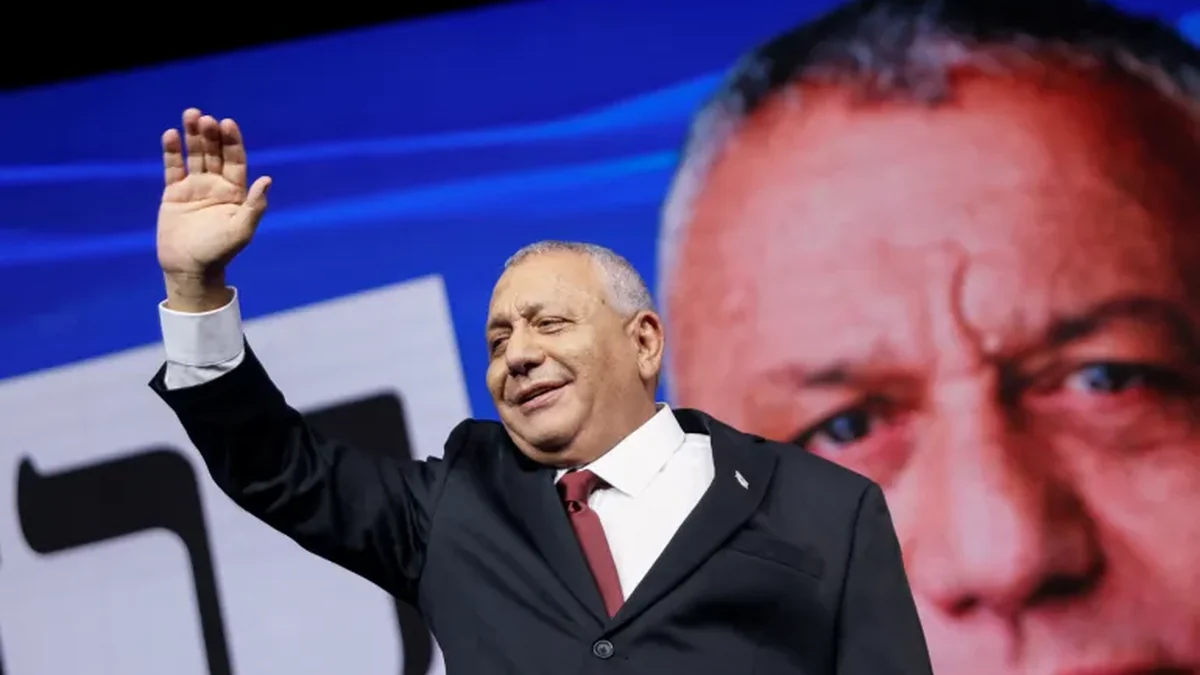
Israel's president has picked Gadi Eisenkot, the former military chief of staff who now leads the Yashar party, to try to form the country's next government. Isaac Herzog met Eisenkot and Prime Minister Benjamin Netanyahu separately over the weekend and told both of his decision. The ceremony that makes it official is scheduled for Sunday at 5 p.m. at the President's Residence in Jerusalem.
For Netanyahu, whose Likud is still the largest party in the Knesset, it is a clear setback.
Herzog followed convention. The mandate normally goes to whoever gathers the most recommendations from incoming lawmakers, and the consultations that wrapped up on Thursday were not close. Eisenkot got 67 and Netanyahu got 46. Seven lawmakers recommended no one.
Israelis voted on Tuesday, October 27, and the final count settled into a standoff. Likud won 27 seats and Yashar 21, followed by Naftali Bennett's B'Yachad on 12, the Joint List on 11, and the Democrats and Ra'am on eight each. Yisrael Beytenu, United Torah Judaism and Otzma Yehudit took seven each, with Shas and Religious Zionism on six.
Grouped by camp, Netanyahu's bloc has 53 seats, eight short of the 61 needed. Eisenkot's opposition bloc, made up of Yashar, B'Yachad, the Democrats and Yisrael Beytenu, has 48. The remaining 19 belong to the two Arab-led parties, their best result ever, helped along by Arab turnout that roughly doubled to about 80 percent according to Al Jazeera.
Netanyahu claimed the election was stolen. The election commission rejected the fraud allegations and found nothing that affected the outcome, and Herzog accepted the certified results.
Sixty-seven sounds comfortable. It isn't, quite.
That figure counts the Arab parties, and recommending someone for the mandate is a much smaller step than sitting in his cabinet or voting for his budget. The Joint List has signalled it is willing to help remove Netanyahu but does not plan to join a government, though it could back one from the outside. Ra'am is more flexible. Its leader, Mansour Abbas, has long said he would consider joining if his party got the internal security portfolio.
Eisenkot's own bloc complicates things further. Reports after the count said Eisenkot, Bennett and other opposition leaders had ruled out working with either Arab party. Herzog himself said the recommendation tally does not settle who can actually form a government, pointing to mutual vetoes inside and between the blocs.
The arithmetic is simple enough. The opposition bloc plus Ra'am reaches 56. Add the Joint List and it reaches 67. A minority government that survives on outside votes is possible on paper. Abbas, though, reportedly told his own leadership days after the election that the odds of such a government resting on Ra'am's support were slim to nonexistent, even as Eisenkot's camp kept trying.
History does not help. Only one Arab party has ever been part of an Israeli governing coalition, Ra'am in 2021, and that government lasted under two years. After more than three years of war in Gaza, putting one back in would be politically explosive for any Israeli leader.
Hours before Herzog's announcement, Netanyahu released a video proposing, for the first time since the vote, a unity government that would include parties from the bloc trying to replace him. He has also argued that a coalition built with Arab parties would damage Israel from within.
Yashar's answer was conditional. It would consider a unity arrangement only if Netanyahu cut his alliance with the extremists in his camp. B'Yachad was blunter, with one of its representatives telling Herzog the party would not do business with Netanyahu at all.
There is another wrinkle on the right. United Torah Judaism, which had recommended Netanyahu after each of the previous five elections, declined to do so this time. It did not back Eisenkot either, which leaves the ultra-Orthodox parties as a possible, if uncertain, route for him.
The clock starts at the ceremony. Under Israeli law Eisenkot has 28 days to put together a government, and Herzog can add 14 more. If he fails, the president can hand the mandate to someone else, which could include Netanyahu.
Eisenkot's realistic options are a minority government with outside backing from Arab lawmakers, a deal that draws in ultra-Orthodox parties, or a broad unity government with Likud on terms Netanyahu has not accepted. Hundreds of people gathered outside the President's Residence this week to demand a Netanyahu and Eisenkot unity government, and Herzog has said repeatedly that the country should do everything possible to avoid another election.
Whether Eisenkot can get to 61 without the very parties his allies swore off is the question the next four weeks will answer.