If your feed has been telling you to stock up on canned food before Tuesday, you can relax. There is no nationwide, 90-day blackout on the way. PolitiFact found that a TikTok video manipulated a clip of Trump from a November 9 news conference to make it seem he said one was coming. He never said that.
The rumor is a mash-up of several real things that were stitched together and given a scary date.
The claim spread widely after a post on November 14 stated that a nationwide 90-day blackout would happen on November 17, 2026. The clip behind it was edited. Fact-checkers have found no announcement from the White House or any federal agency matching it.
Edited video is persuasive because people tend to trust what they can see and hear. A few seconds of rearranged audio over a familiar face is enough to make a rumor feel official.
The number has a real source, just not the one the posts suggest. The rumor began circulating after Defense Secretary Pete Hegseth unveiled a long-term strategic plan on September 30. One part of it is called FORTRESS America.
Under that initiative, every military department and defense agency is meant to be able to operate independently for at least 90 days, with its own access to water, electricity, fuel and communications. The plan rests on five pillars, including energy independence, supply-chain resilience, a strategic defense reserve, installation hardening and cyber resilience.
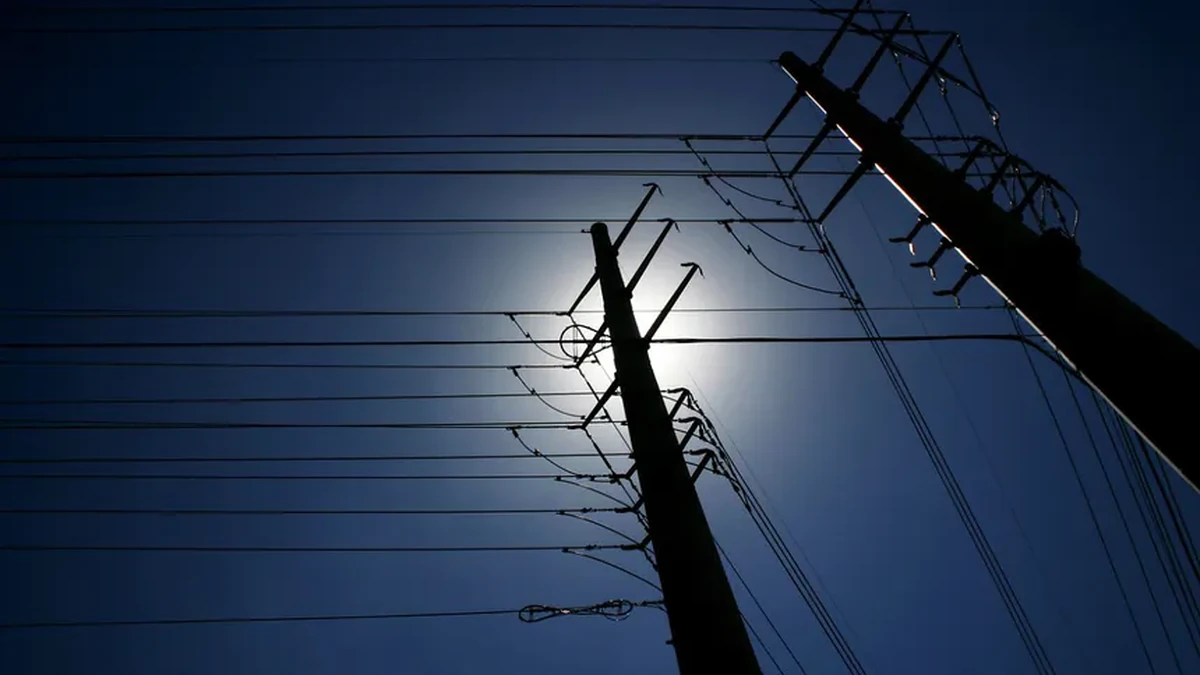
In plain terms, the military wants its bases to keep running if the civilian grid or supply lines fail. That is a planning exercise. Reporting on the plan describes it as neither an announcement of an active blackout, a power cut nor an impending attack, but a preparedness plan so the military can "fight and win under any circumstances," including a cyberattack.
Experts say the thinking behind it is easy to understand. Sean Evans, a political science professor at Union University, pointed to growing concern about cyberattacks and sabotage by other nations. A military that can keep operating through a disruption is a sensible goal. It says nothing about what ordinary households should expect.
Somewhere along the way, "military bases should be able to run for 90 days off the grid" became "everyone will be without power for 90 days."
The date has a simple explanation too. FEMA will run a nationwide test of the Emergency Alert System on November 17, something that happens at least once every three years. It is scheduled for about 2:20 p.m. Eastern on TV and radio, and it lasts roughly a minute.
You may hear a tone and an alert message. Nothing about it signals a looming outage. These tests exist to make sure the system works before it's needed in a real emergency.
As these things go, the story picked up extra baggage. Some versions say the outage will last 72 hours instead of 90 days. That variant appears to come from European Union guidance issued November 3 encouraging households to be self-sufficient for 72 hours or more. That is a general preparedness recommendation, and it doesn't mention a specific blackout.
Others point to an episode of The Simpsons that aired in November 2023, which showed a blackout in Springfield, and call it a "prediction for 2026." It's a cartoon, not a forecast.
Being ready for a power outage is sensible any time of year, and emergency agencies have long encouraged it. A few days of water, food, flashlights, batteries and a charged backup battery for your phone covers most storms and grid failures.
That advice is the same whether or not a rumor is going around. The difference is that preparing calmly is not the same as expecting a 90-day shutdown. There is no sign one is coming.
Viral doomsday posts tend to share a few traits. They attach a precise date and number to a vague threat. They lean on a clip or screenshot with no original source. And they borrow a real document or event, then change its meaning.
When you see one, check whether the people named actually said it. Look for the original statement, and see whether established news outlets or fact-checkers have covered it. In this case they have, and the answer is the same everywhere.
So when your phone buzzes on Tuesday afternoon with the test alert, that's all it is. Lights stay on, and the Pentagon's plan stays what it has always been: a plan for the military's own bases.