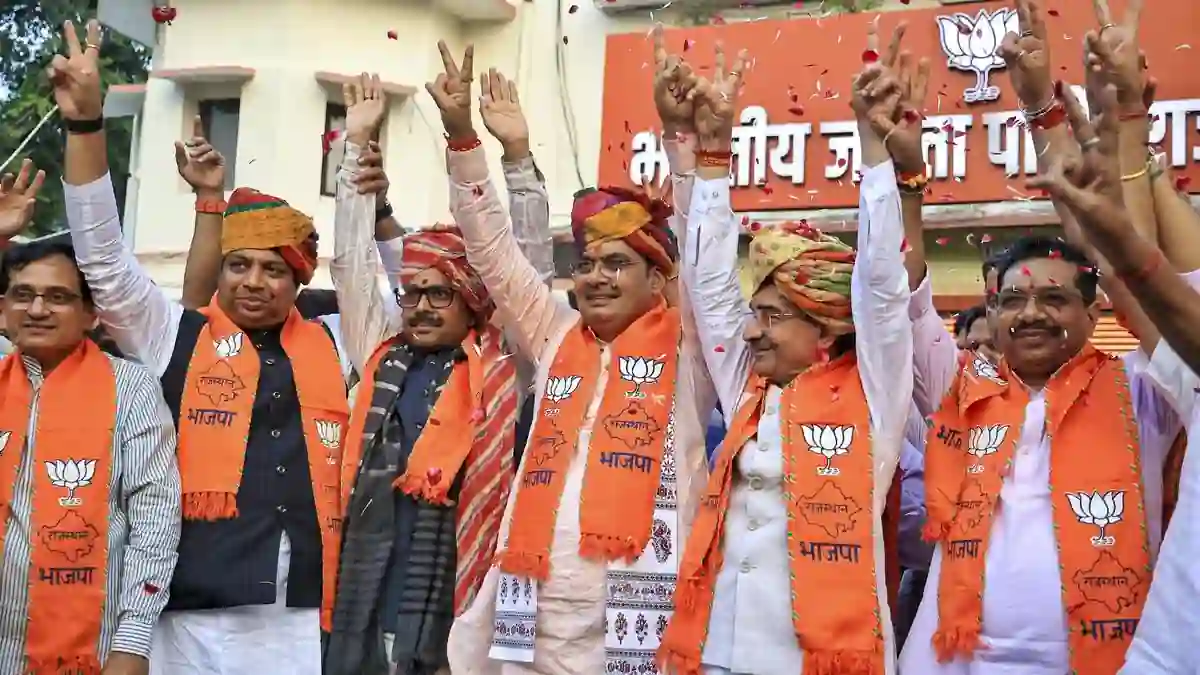
Cardiff Bay isn't where you'd expect history to happen. But that's where John Swinney, Rhun ap Iorwerth, and Michelle O'Neill sat down Monday morning at the St David's Hotel and signed a document that, on paper at least, argues for the end of the United Kingdom as we know it.
Call it the Cardiff Agreement, or the Cardiff Declaration, depending on which outlet you're reading. Either way, it's the first time the leaders of Scotland's SNP, Wales's Plaid Cymru, and Northern Ireland's Sinn Féin have put their names to something together like this.
Mary Lou McDonald, Sinn Féin's party president and currently leader of the opposition in the Irish Dáil, showed up too, even though she doesn't hold office in any of the three nations herself.
Here's the catch that a lot of the breathless headlines skated past. Swinney, ap Iorwerth and O'Neill signed this as party leaders, not as heads of their devolved governments. That distinction matters. It lets them make a political argument their official roles technically don't stretch to, without dragging the actual machinery of Holyrood, the Senedd or Stormont into it directly.
What the document actually says is fairly sweeping anyway. It covers cooperation on the economy, energy and relations with Europe, and it calls on Westminster to "prepare, plan and facilitate" constitutional change rather than block it. There's a line in there declaring that the alignment of three pro-independence first ministers, for the first time in history, following Plaid Cymru's win in Wales back in May, shows there could be no clearer sign that Westminster's time is coming to an end.
Big claim. Whether it holds up is a different question entirely.
The declaration also sketches out a shared vision for what comes after independence, assuming any of this actually happens. Scotland and Wales would seek EU membership as brand new states, going through the full accession process from scratch. Northern Ireland would take a completely different road, joining the EU automatically by becoming part of the Republic of Ireland, which is already a member, the same way East Germany folded into a reunified Germany back in 1990 without applying for anything.
Worth remembering here: Wales voted to leave the EU in 2016, by 52.5 percent. So the "our future belongs in Europe" framing isn't exactly a slam dunk with Welsh voters either, whatever the current Plaid Cymru government thinks.
And Northern Ireland's route to a border poll isn't something this declaration can unlock on its own. Under the Good Friday Agreement, that vote only gets called when the UK's Northern Ireland Secretary judges that a majority would likely back unification. Nobody currently in that job is judging any such thing.
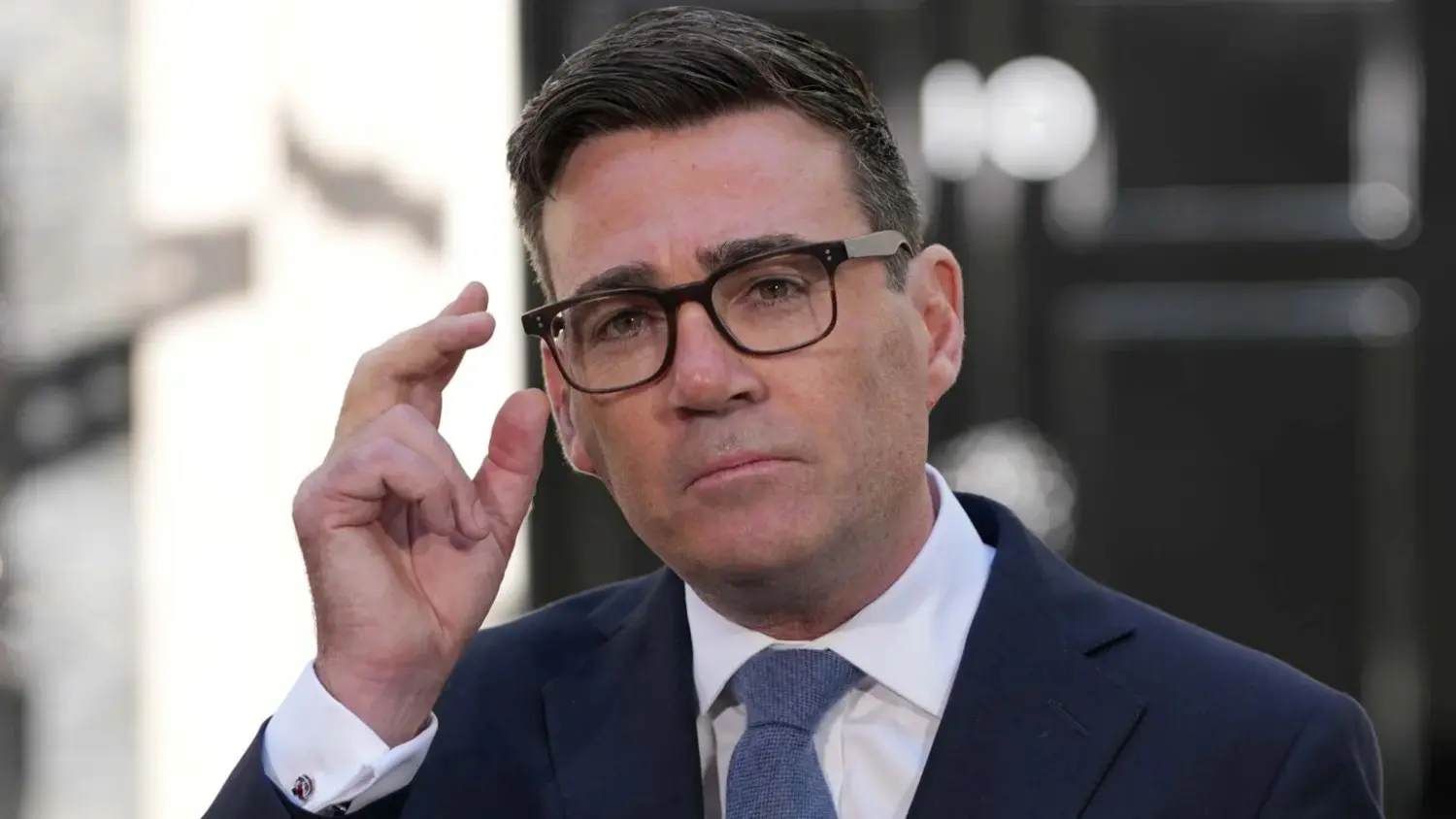
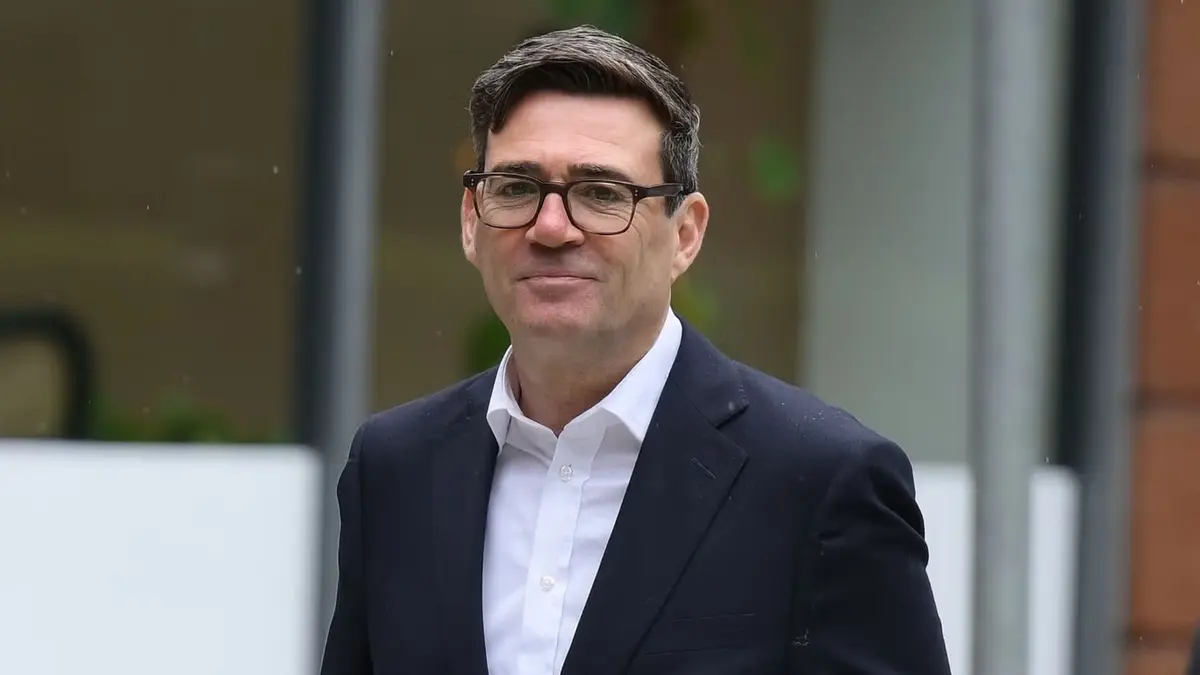
This didn't come out of nowhere. Andy Burnham took over as prime minister in July, succeeding Keir Starmer, and pitched himself as someone who'd finally take devolution seriously after years of what nationalist politicians in all three nations have been calling Westminster's "muscular unionism."
It hasn't gone smoothly. In his first phone call with Swinney after taking office, Burnham reportedly told him they'd have to "agree to disagree" on Scottish independence.
During his first visit to Northern Ireland in late August, he said a border poll was "off the table," a comment that drew a furious response from McDonald, who said no prime minister has the right to strip that provision out of the Good Friday Agreement unilaterally.
SNP MP Chris Law told him in the Commons he had no mandate to defy what the three nations wanted for their own futures.
Swinney, for his part, has settled into a pattern of telling Burnham that "rhetoric alone will not cut it," while pushing for more devolved powers over energy and welfare rather than outright independence.
So by the time Monday rolled around, the goodwill Burnham arrived with in July had mostly evaporated.
Unionist voices were quick to push back.
The general line from that side, echoed across DUP circles and groups like the Orange Order, has been that this is three nationalist parties talking to each other rather than actually delivering anything for the people they govern. Some commentary has gone further, framing the whole summit as more symbolic than substantive, a photo opportunity dressed up as a constitutional moment.
There's something to that critique.
The agreement doesn't create a single new legal pathway to independence. Scotland and Wales still need Westminster's cooperation, in one form or another, to hold a binding referendum.
What it does do is give three separate independence movements, which have historically run on their own tracks with their own arguments, a shared platform and a shared talking point.
Whether that adds up to real momentum or just louder noise from the same three corners depends a lot on what Burnham does next. So far, his instinct has been to hold the line and talk about "bringing people together." Monday's signing suggests that answer isn't landing the way he'd hoped.
The first ministers of Scotland, Wales, and Northern Ireland, all from pro-independence parties, for the first time simultaneously signed a joint declaration in Cardiff on Monday, asserting their nations' right to self-determination and calling on the Burnham government to facilitate constitutional change.
The pact envisions Scotland and Wales seeking fresh EU membership as independent states, while Northern Ireland would join automatically through unification with the Republic of Ireland under the Good Friday Agreement's consent process.
The declaration carries political weight but no legal force and comes after months of friction between the devolved administrations and Prime Minister Andy Burnham, who has so far ruled out a Northern Ireland border poll and urged the nationalist leaders to focus on practical devolution instead of referendums.