There wasn't even a hearing, opinion, or any sort of explanation for why the Supreme Court refused to intervene.
The high court ruled it will not examine the call by former Defense Secretary Lloyd Austin to cancel plea agreements involving Khalid Sheikh Mohammed and two others charged in the 9/11 plot. It issued no statement to explain.
The ruling ends one of the strongest efforts in years to resolve the 9/11 case without going to trial, 25 years after the terror attacks that left 3,000 dead.
The agreement was made in 2024. An official from the Pentagon signed it at the end of July 2024, but Austin rescinded it two days later due to criticism from some victims’ families.
The individuals agreed to plead guilty and make full confessions concerning their involvement in the attack. The deal also stipulated that there should be public sentencing hearings and elimination of the death penalty as one of the punishments.
According to the deal, the accused would plead guilty to all charges and serve life sentences.
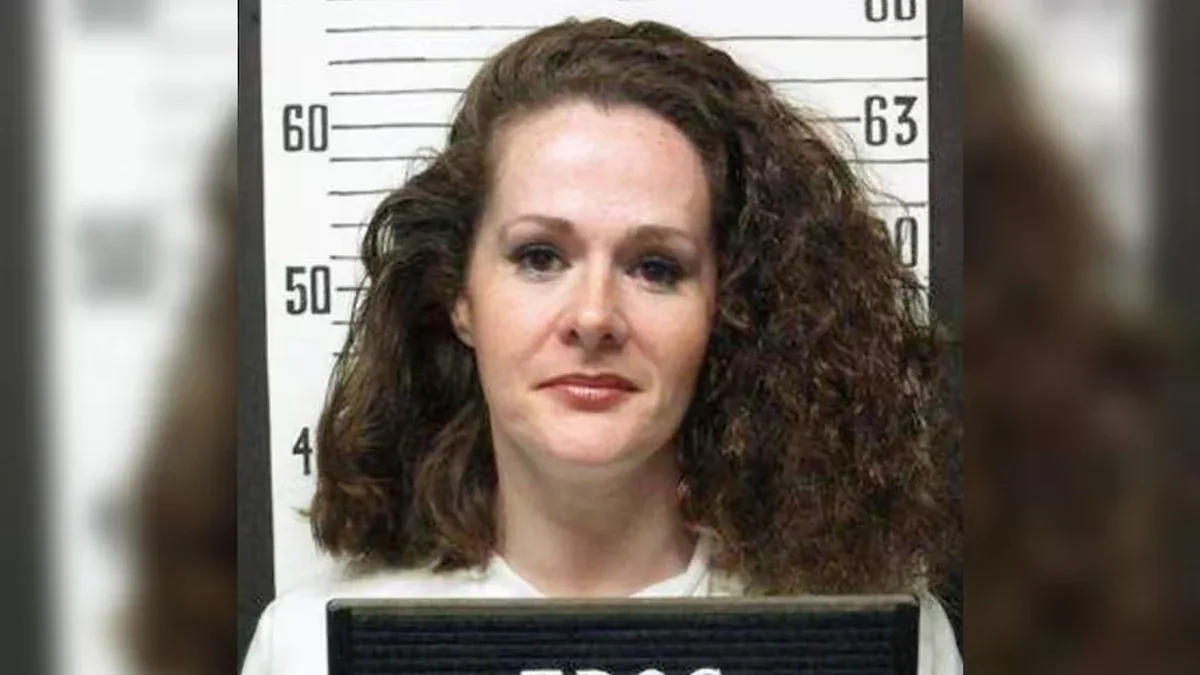
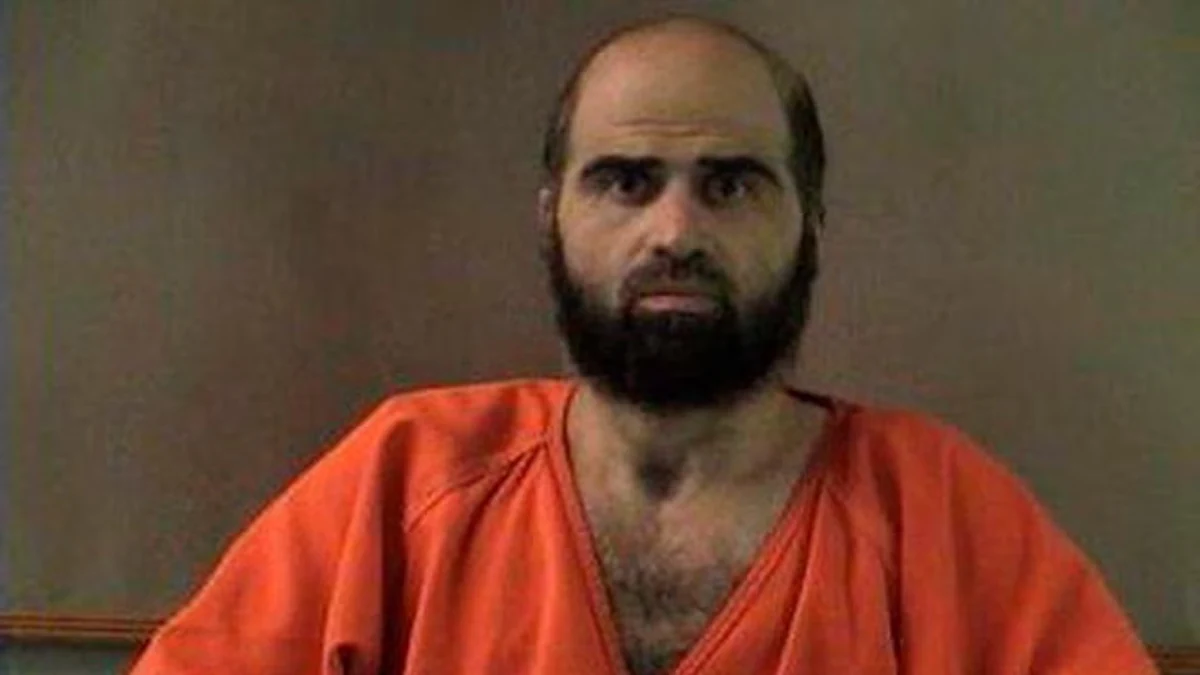
There are three individuals who are central to this case, namely Khalid Sheikh Mohammed, Mustafa al-Hawsawi, and Walid bin Attash. The three are detainees in Guantanamo Bay and are set to be tried.
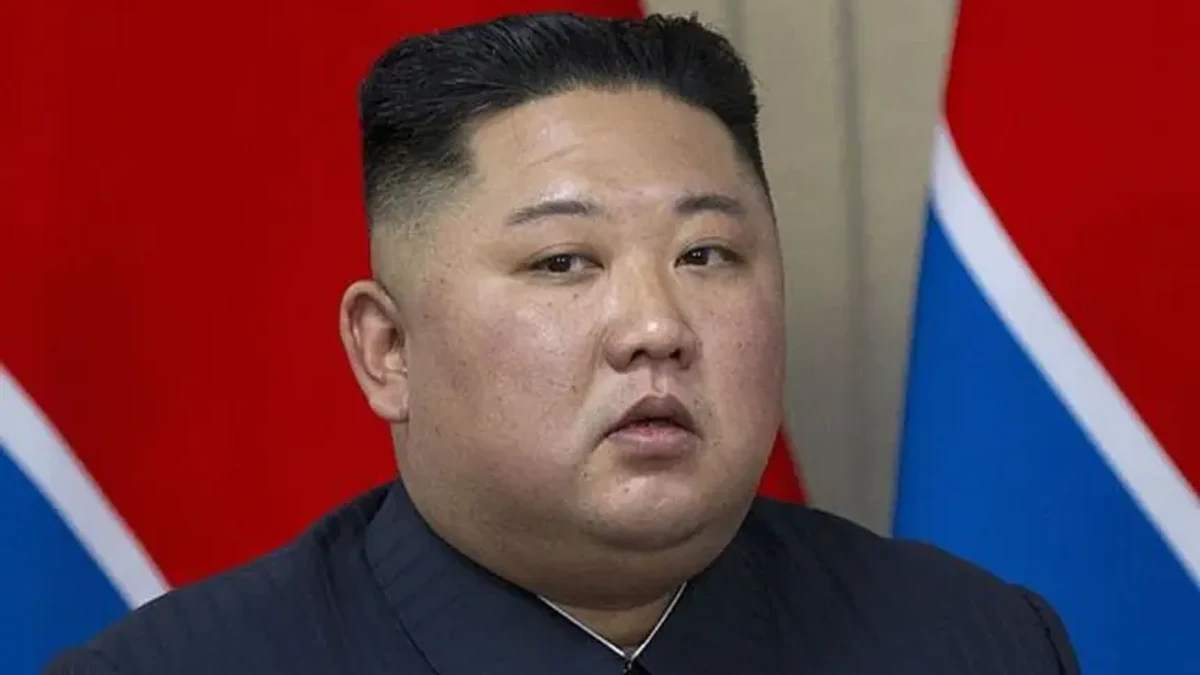
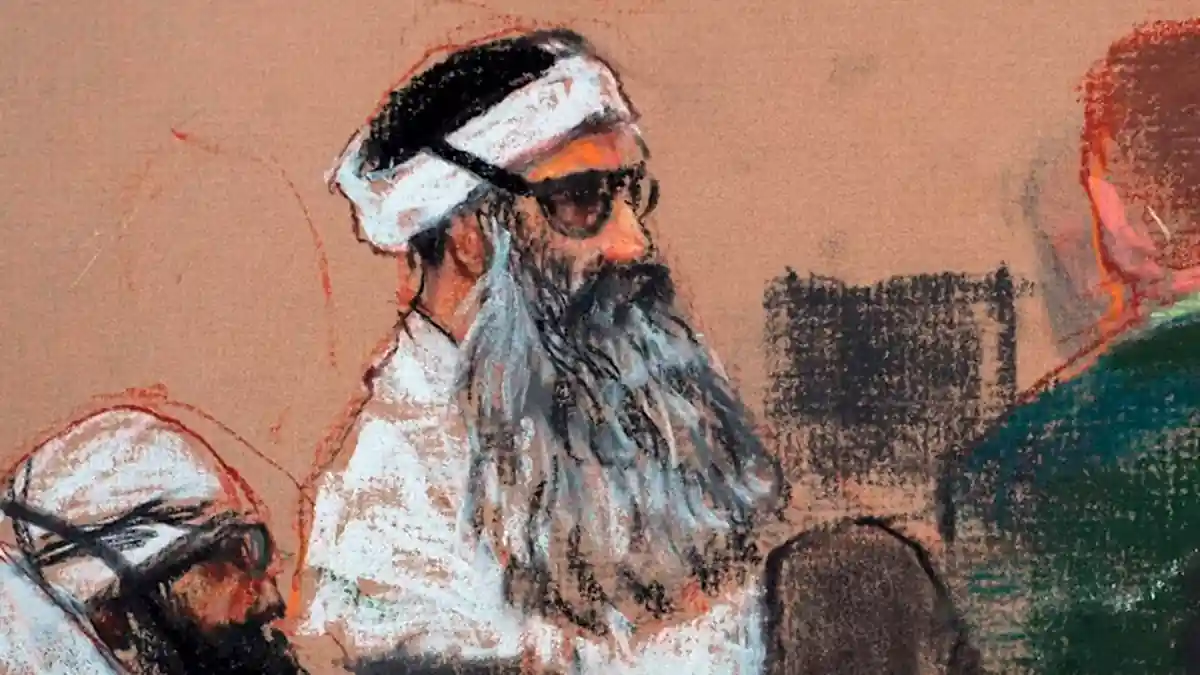
Khalid Sheikh Mohammed is accused of being the mastermind behind the scheme of crashing the hijacked aircraft into the World Trade Center and the Pentagon. Mohammed was arrested in a CIA operation conducted in Pakistan in 2003 and has been held in Guantanamo for 20 years.
The three are accused but have not yet been convicted or tried.
The legal battle revolved around whether Austin was permitted to revoke his decisions. In a two-to-one decision, a federal appeals court in Washington found that he was entitled to do so.
The court found that it was "indisputable" that he was authorized to do so. Previously, the military courts had come to the opposite conclusion. In one case, a military appeals court found that Austin lacked the authority to revoke the contracts as the defendants had performed a term of the contract.
It was also alleged that Austin revoked his decisions too late. In his dissent, Judge Robert Wilkins was not mincing any words.
The Trump Administration fought in favor of the cancellation in court. The solicitor general at the time, John Sauer, said that the decision to seek the death penalty should be left up to someone who is "accountable to the American people."
This was also maintained by the Trump Administration when it came to Austin's decision.
One justice abstained from the case. Justice Brett Kavanaugh recused himself from the case on behalf of Mohammad and al-Hawsawi. There was no mention of why in the reports analyzed.
What happens next: a trial that may never arrive on time.
It is now back into military tribunals. The decision removes one hurdle for Mohammed’s trial by military commission in 2028, where he could face execution as a form of punishment.
The date may never happen. The case has seen a number of delays over the years, with issues relating to claims of torture of the prisoner at CIA prisons and the use of evidence collected under torture being one of them.
CNN legal analyst Steve Vladeck said that the planned 2028 trial was simply not going to happen.
The plea deals left the relatives of the victims divided. While some were unhappy with the deal because it excluded the possibility of a death sentence, others were informed that the two men would receive a life sentence.
Neither side received closure on Monday as this ruling leaves the possibility of a death sentence open, but does not schedule a trial date.