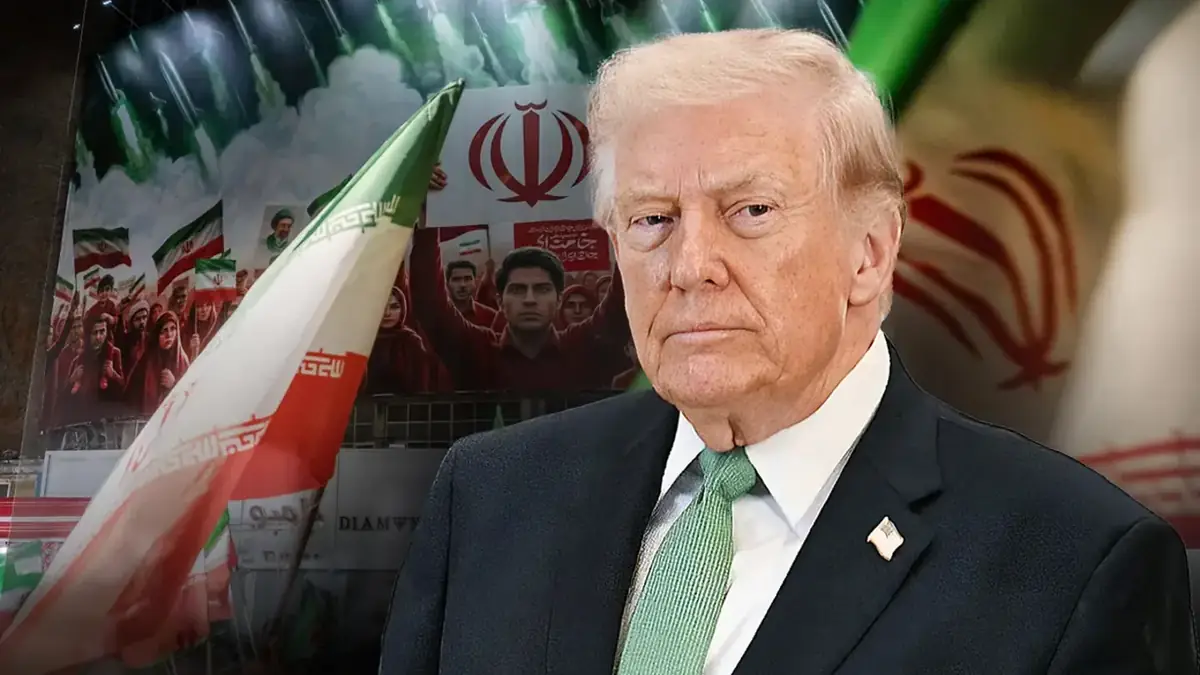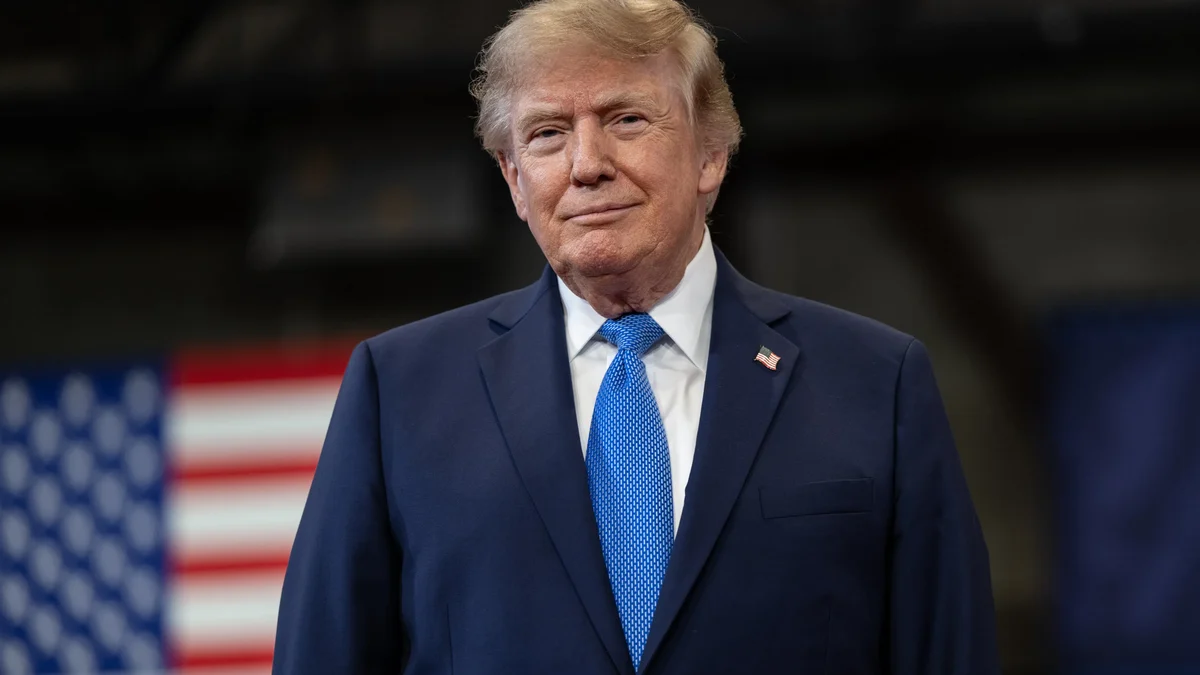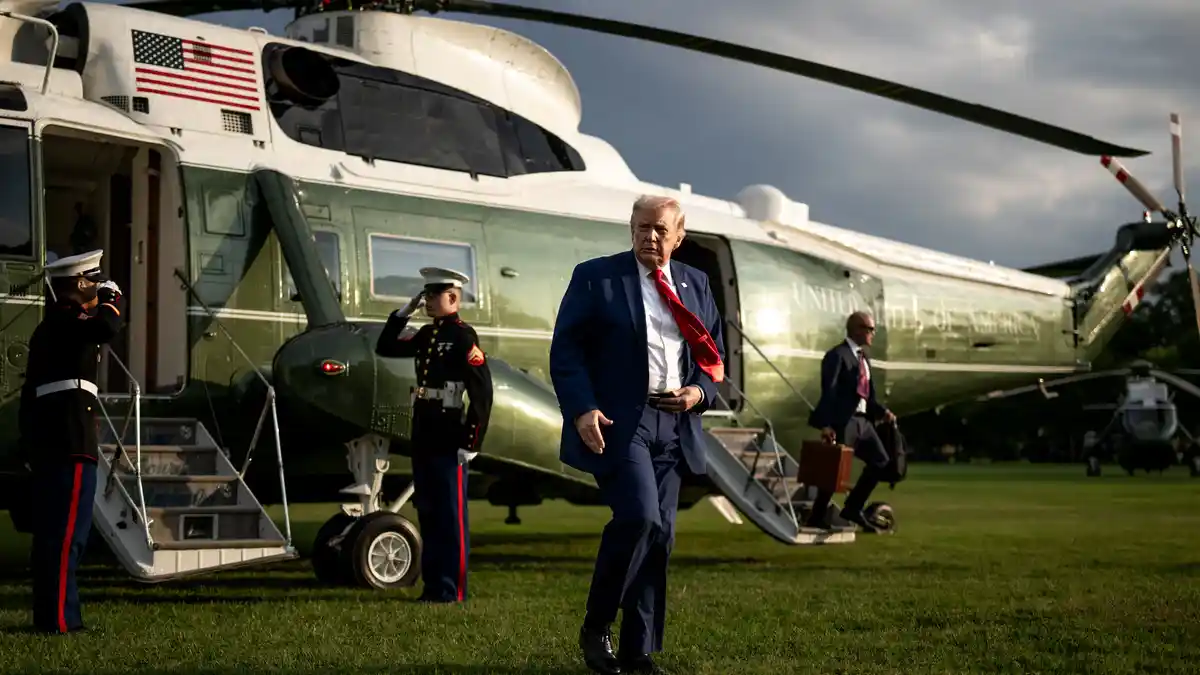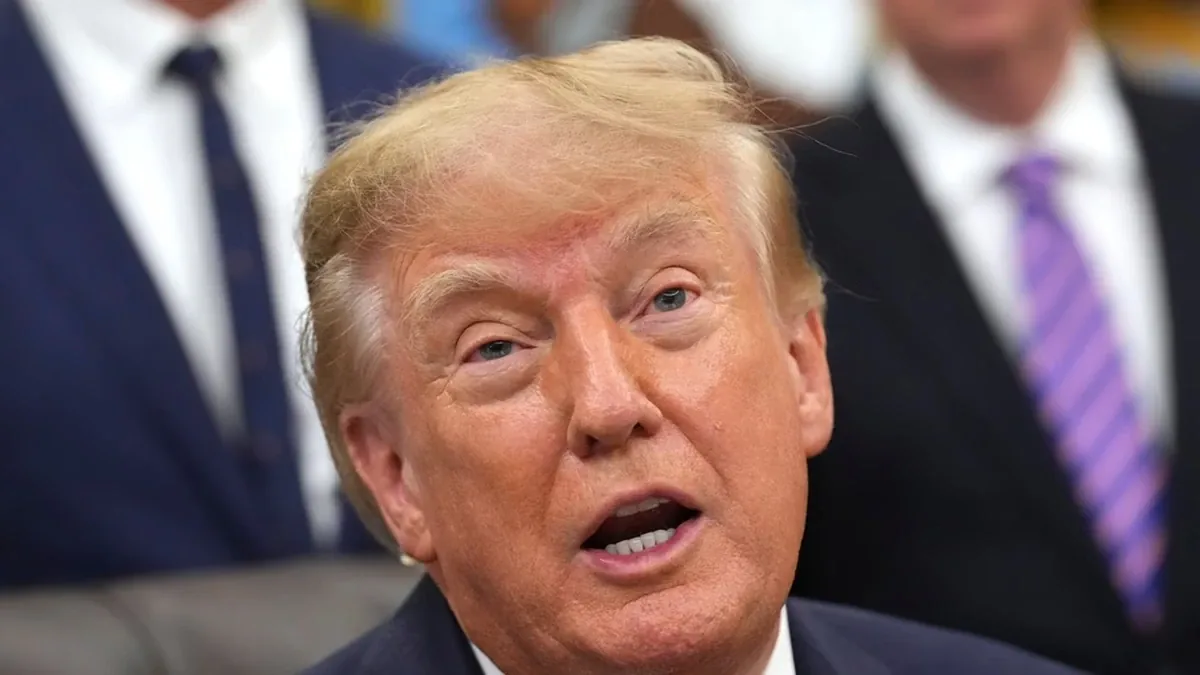
Trump broke the news the way he breaks most news now, on his own social platform, in capital letters, at midnight.
"BREAKING NEWS," the post read. The United States, he said, had entered into an agreement with Denmark and Greenland giving Washington "permanent control over security, and all other needs" on the island. No cost to American taxpayers, he added. An "Infinite Life Agreement." No end date, ever.
It's a lot of adjectives for what is, once you dig past the post itself, a fairly specific and fairly limited set of terms.
Strip away the theatrics and three things are in it.
One, the US gets guaranteed permanent access and overflight rights across Greenland, which a State Department official told CBS News could let the Pentagon add new bases beyond what's already there. Two, non-NATO countries are barred from building military bases on the island, meaning no Russia, no China, full stop. Three, there's now a screening mechanism for foreign investment, aimed at the same two countries, blocking sensitive Chinese or Russian money from flowing into Greenlandic projects without American sign-off.
In exchange, and this is the part that mattered most in Copenhagen and Nuuk, no Greenlandic territory transfers to the United States. Not an inch. The island's roughly 57,000 residents keep the right to choose independence from Denmark whenever they want, and that right survives the agreement untouched.
That last point is the whole story, really. A year ago Trump wasn't talking about basing rights. He was talking about buying the island outright, and when that went nowhere, about the possibility of taking it by force. This deal is what's left after both of those ideas got quietly shelved.
Danish Prime Minister Mette Frederiksen didn't sound thrilled exactly, but she didn't sound cornered either. She called it good for NATO and Europe, and said it recognizes both "the sovereignty and territorial integrity of the Kingdom and the right of the Greenlandic people to self-determination." That's a very specific sentence for a very specific audience, mainly the other 30-plus NATO capitals that spent the better part of this year watching an actual annexation threat aimed at a member state's territory.
Jens-Frederik Nielsen, who leads Greenland's home-rule government, used softer language. He called the outcome "gratifying" and said it recognizes Greenland's own interests. Coming from him, that's a notable shift. Earlier this year Nielsen had said flatly that he didn't even know the terms of whatever deal Washington was negotiating about his own country. Getting looped in at all counts as progress from where things stood in January.
The signing itself is scheduled for next week in New York, timed to land while world leaders are already in town for the UN General Assembly. Denmark's parliament, the Folketing, still needs to sign off before it's final.
None of this is really about the island's 56,000 people. It's about what's under the ice and what's sailing around it.
Greenland sits on one of the largest untapped rare earth deposits on the planet, minerals the US has been scrambling to secure as it tries to cut its dependence on Chinese processing capacity. China currently dominates global rare earth refining, and Washington has spent the past year lobbying against Chinese buyers circling Greenlandic deposits, the Kvanefjeld site among them.
Then there's the map itself. Pituffik Space Base, still known to most people by its old name, Thule Air Base, sits at the top of the island and handles missile detection and space surveillance for the entire US early-warning network. As Arctic ice keeps melting, new shipping lanes are opening up that Russian and Chinese vessels have already started using. Whoever controls basing rights on Greenland effectively controls the northern gate to those routes.
Not everyone agrees on how much this deal actually changes. Fox News reported the agreement hands the US clear authority to build new bases without needing Danish or Greenlandic sign-off. Reuters, covering the same announcement, said it remained unclear as of Friday night whether any new bases would actually get built at all. Two wire services, one signed document, two different readings, which tells you how much is still being worked out in the fine print nobody's seen yet.
The Atlantic ran a piece Friday framing the whole saga bluntly as a fiasco stumbling to a close, more retreat than triumph dressed up in Trump's usual capital letters. That's obviously a contested read. But it's hard to argue the administration ended up anywhere close to where it started the year, threatening tariffs and floating a purchase price for sovereign Danish territory.
The US gets permanent basing rights, veto power over who else can build or invest in Greenland, and a foothold on the rare earth and Arctic shipping questions that will matter more every year. Denmark and Greenland get to keep the island, and Greenlanders keep the right to eventually leave Denmark's control if they choose to. Nobody got everything they originally wanted, which, going by how this year started, might be the most realistic outcome anyone should have expected.