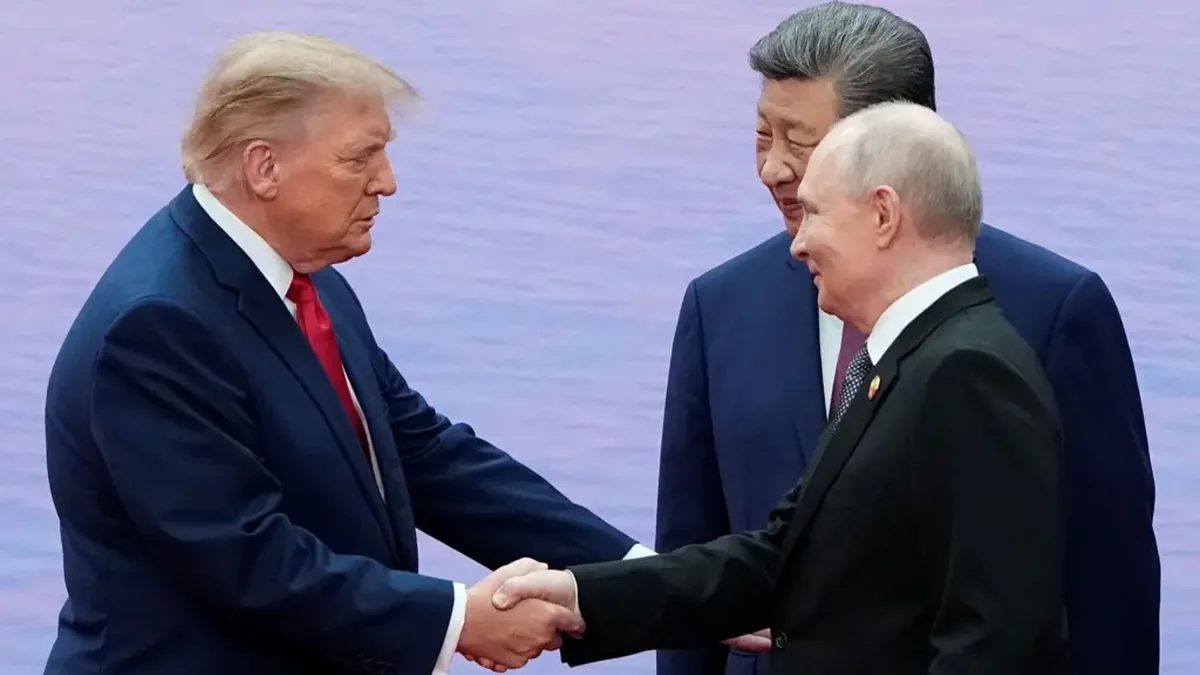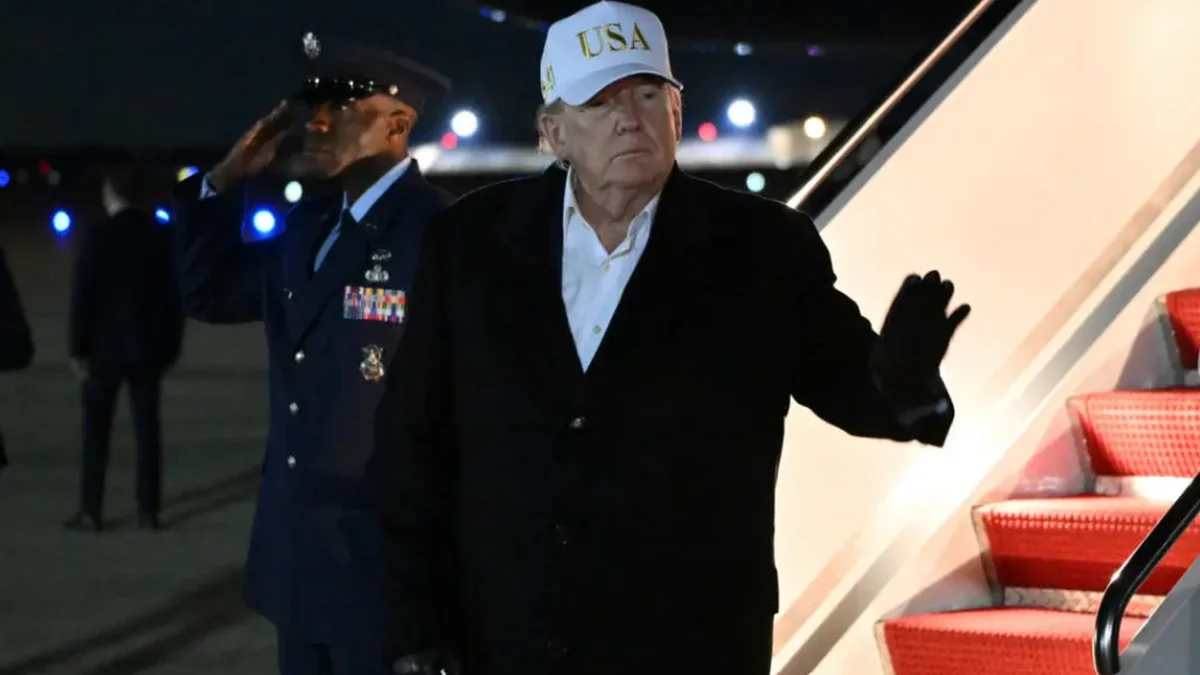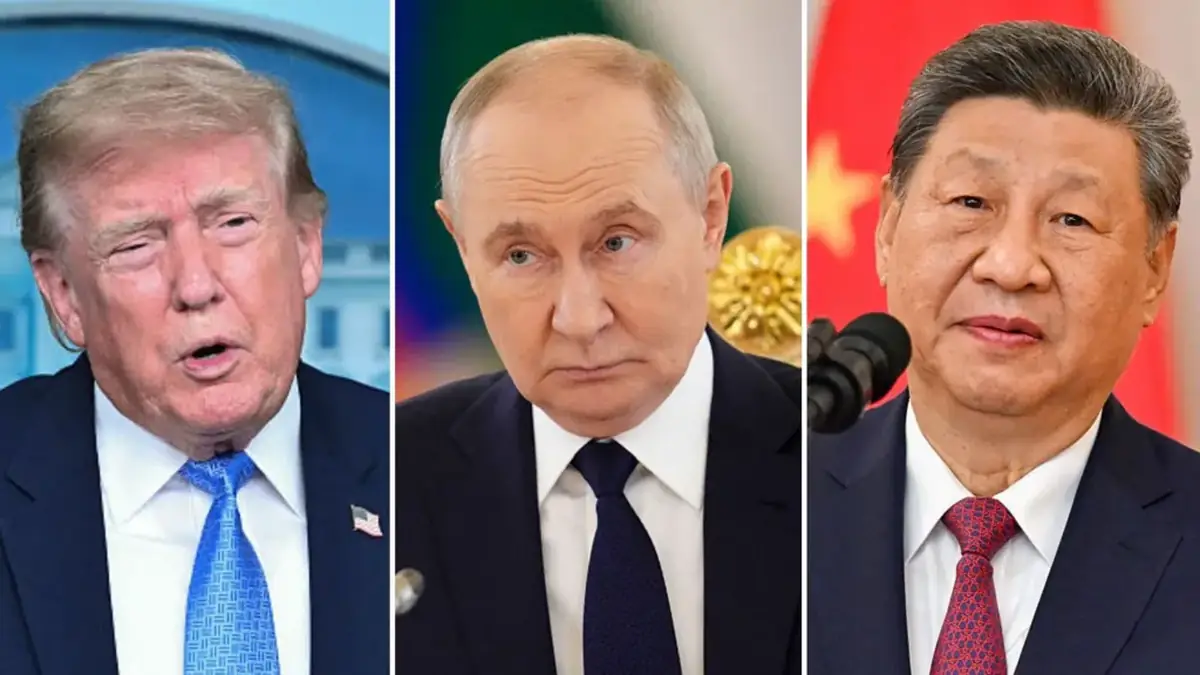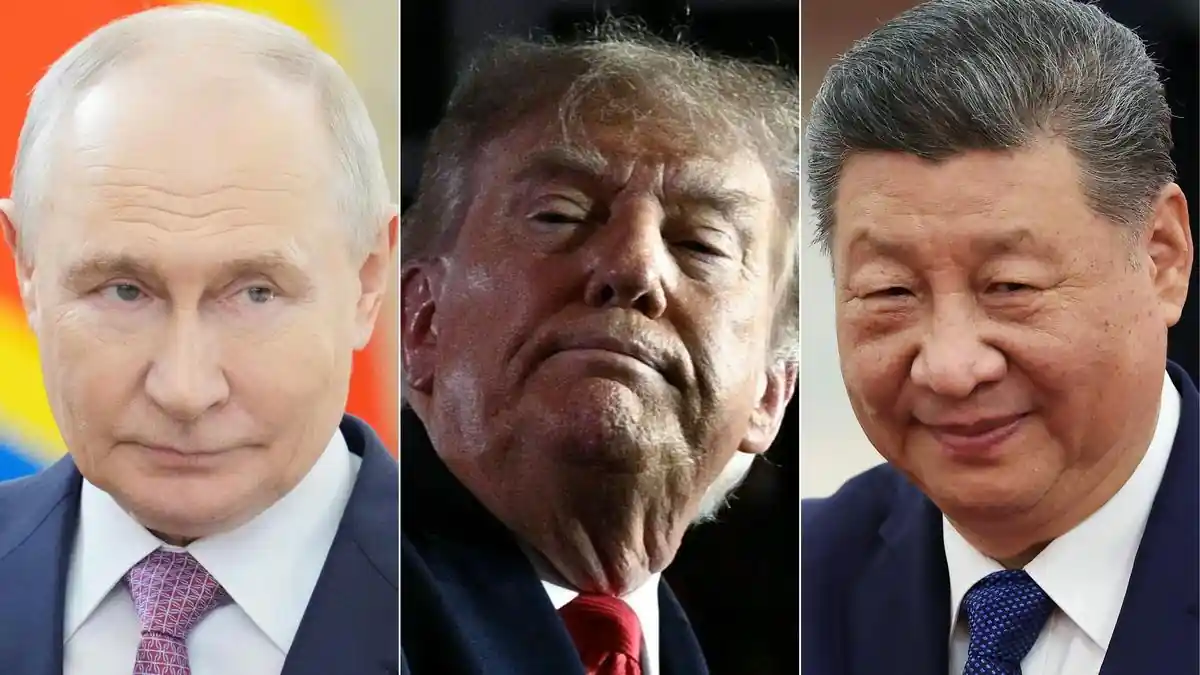
Donald Trump, Xi Jinping and Vladimir Putin will sit down together in Shenzhen on Thursday. It will be the first time the leaders of the world's three biggest nuclear powers have met as a trio, and most analysts say not to expect much to come out of it.
The White House confirmed the meeting on Friday. The Kremlin followed on Saturday, with spokesman Dmitry Peskov telling Russian state media that an agreement had been reached. CNN reports that China's foreign ministry has now signed off too.
Before any of that, there's ASEAN. Southeast Asian leaders opened their 49th summit in Manila on Sunday under Philippine President Ferdinand Marcos Jr., who hands the rotating chair to Singapore at the end of it. The mood in the room is not cheerful. The war in the Middle East has squeezed fuel supplies across the region, the South China Sea dispute drags on, and Myanmar's civil war shows no sign of stopping. Talks with China on a binding code of conduct for the sea were supposed to wrap up this year. They haven't.
Trump only turns up on Tuesday afternoon, with Secretary of State Marco Rubio, once the main sessions are over. He'll join a Quad meeting with Japan, Australia and India and a special ASEAN-US summit, then lunch with Marcos on Wednesday before heading to China. Premier Li Qiang will already have left by then. Russia is sending Foreign Minister Sergey Lavrov instead of Putin.
Greg Poling, a geopolitical analyst in the US, put the stop in plain terms to the AP. It reassures allies they haven't been forgotten before Trump flies off to focus on Xi.
Here's what Washington says it wants to talk about. Nuclear weapons, first. The last arms-control treaty between the US and Russia expired in February, and China has been adding warheads quickly. White House spokeswoman Olivia Wales said Trump believes the spread of nuclear weapons is very dangerous and wants to discuss cutting them.
Then Iran. A senior US official told reporters Trump plans to raise the war with both men. China matters here because it is Iran's biggest oil customer, though one analyst quoted by VOA doubted Beijing would cut its purchases in any meaningful way.
And Ukraine? Left out, the same official said. German President Frank-Walter Steinmeier, after seeing Xi in Beijing in late October, came away thinking the same. Moscow insists its separate talks with Kyiv will carry on. It also said earlier that no one-on-one between Putin and Trump had been agreed for Shenzhen.
Zelenskyy has made his feelings known. Asked about the summit last month, he said he didn't want things to turn into "Yalta 2, 3, 4", a reference to the 1945 conference where Roosevelt, Churchill and Stalin carved up the postwar map. Ukraine, he argues, can't be settled without Ukrainians in the room.
Peskov dismissed the comparison. That's a little rich, given that Russia's own chief negotiator, Vladimir Medinsky, has talked about building a European security order on the scale of Yalta or Potsdam.
Is the fear overblown? Depends who you ask. Wang Wen, a dean at Renmin University in Beijing, thinks talks could end without any breakthrough. Chong Ja Ian at the National University of Singapore takes the longer view: the original Yalta helped set the stage for wars in Korea and Indochina, and he doesn't see a modern version avoiding similar trouble.
Nobody from Brussels, Tokyo or Taipei is invited, and that's the part that makes allies nervous. A photograph of three leaders can look like a bargain being struck even when it isn't.
The more concrete business is probably the one-on-one. Trump and Xi hold talks and a working lunch the same day, their third meeting this year after visits in May and September. In September they agreed on a Board of Trade to negotiate reciprocal tariff cuts. The truce has been extended since, but analysts cited by the AP say both sides are falling short on promises. Rare earths, AI, tariffs and US arms sales to Taiwan are all expected to come up.
Trump arrives bruised. Republicans lost the midterms, and Poling thinks that gives Beijing less reason to give anything away. The administration, he said, has been lowering expectations on China already. Treasury Secretary Scott Bessent is travelling with Trump.
APEC itself runs Wednesday and Thursday and covers 21 economies. Modi is in the Philippines through Wednesday.