
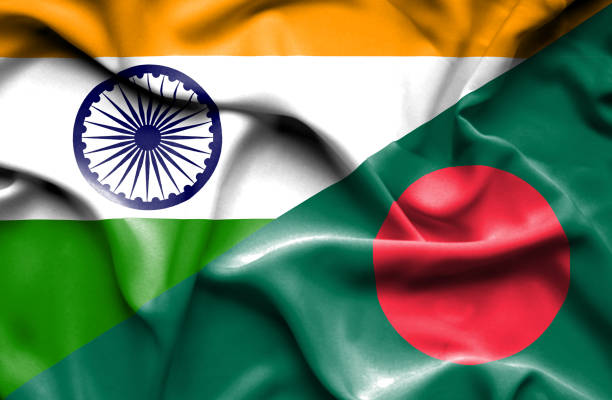
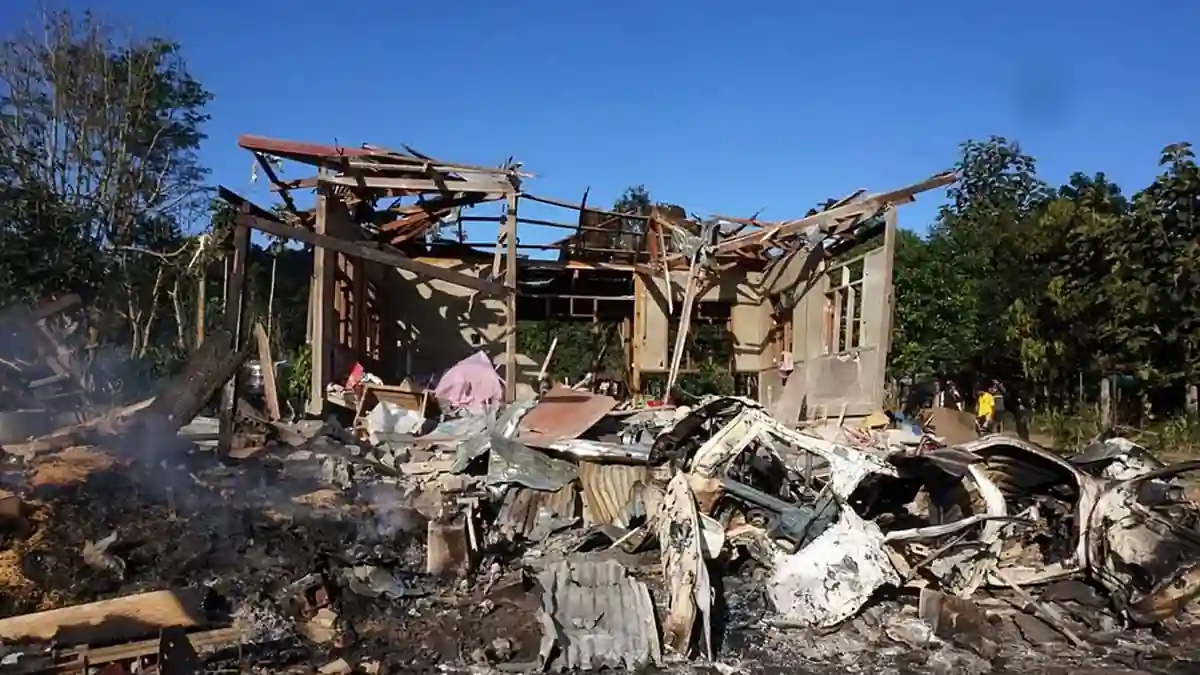
Following the death of Osman Hadi—the convener of the 'Inqilab Manch' (Revolutionary Forum) in Bangladesh—India faced significant backlash within the country. Two of Bangladesh's major media organizations, Prothom Alo and The Daily Star, were specifically targeted. These institutions were singled out because they were perceived as collaborating with India; consequently, they became the sites of attacks, vandalism, and arson.
Although India provided substantial assistance to Bangladesh during its Liberation War, anti-India sentiment has periodically surfaced within the country. Many observers believe that opposition to India has become a recurring feature of Bangladeshi politics.
Meanwhile, several Bangladeshi politicians have expressed apprehension that certain individuals might exploit anti-India sentiments to incite violence and disrupt the upcoming elections. Anti-India sentiment has been festering in Bangladesh for quite some time due to various reasons; however, the protests that took place in July 2024 added a new dimension to this issue. Following these protests, Prime Minister Sheikh Hasina and some of her associates sought refuge in India, a development that subsequently strained diplomatic relations between the two nations.
Tensions had already existed between India and Bangladesh for some time; this situation was exacerbated when India granted asylum to Prime Minister Sheikh Hasina and her associates. Despite Bangladesh's formal requests for extradition, they were not repatriated. Furthermore, rumors circulated on Bangladeshi social media claiming that the alleged killer of Osman Hadi had fled to India—though, to date, the Bangladeshi government has not found any concrete evidence to substantiate this claim.
It is alleged that Bangladesh's interim government fuels violence as a means of perpetuating its own rule, even as the ongoing protests have already resulted in the deaths of over 1,000 people.
Now that elections have been held in Bangladesh and a new Prime Minister—Tarique Rahman—has assumed office, the question remains: can relations between India and Bangladesh return to their former state? This is a critical issue, particularly given that India has no desire to jeopardize its diplomatic ties with its neighboring nation.




Comments 0