

The story broke late Saturday US time and quickly went viral.
Iran used SpaceX’s Starlink as a backup line of communication once US forces started going after its traditional military networks, The Washington Post reported. The usual, roads, radio, fixed links. The report says Starlink filled the gap when those went dark. It was used for passing orders and keeping an eye on the cheap disposable one-way attack drones that flew until they hit something.
The paper cites a classified U.S. military assessment given to Defense Secretary Pete Hegseth. The Post first calls it the same way and TechCrunch follows.
Reporting by four people familiar with the matter. The Post says that two of them were aware of internal SpaceX discussions.
That’s the tough part. “Starlink has no license to operate in Iran. Musk has said before the service is active there anyway.
That history is important. SpaceX reportedly offered free Starlink service to people inside Iran in January as deadly protests swept the country and the government cut off public access to the internet. Then, the US government smuggled thousands of terminals into the country, Reuters reports, citing the Wall Street Journal. Iranian police fought back and, according to Bloomberg, by the end of March they had seized 139 devices and arrested 46 people for selling them.
The dishes were already set. They got a second life when the US and Israel hit Iran at the end of February, kicking off the war.
Musk found out in March, the Post says, and was livid. His team went looking and found two unauthorized uses of Starlink that they traced to Iranian operations against U.S. forces.
Then there was a second problem, and it pointed the other way.
Musk was told the US military had also been flying one-way drones on Starshield, the militarized version of Starlink, but on a cheaper plan designed for ground use. Nor, according to the Post’s sources, did that please him. Thus, both parties were allegedly using the network in ways that the terms did not allow.
Musk had said that publicly. On March 1, he responded to a post on X that stated that using Starlink terminals for weapons systems is in violation of the commercial terms and that such terminals are shut down when identified.
It’s the timing that makes people do a double-take.
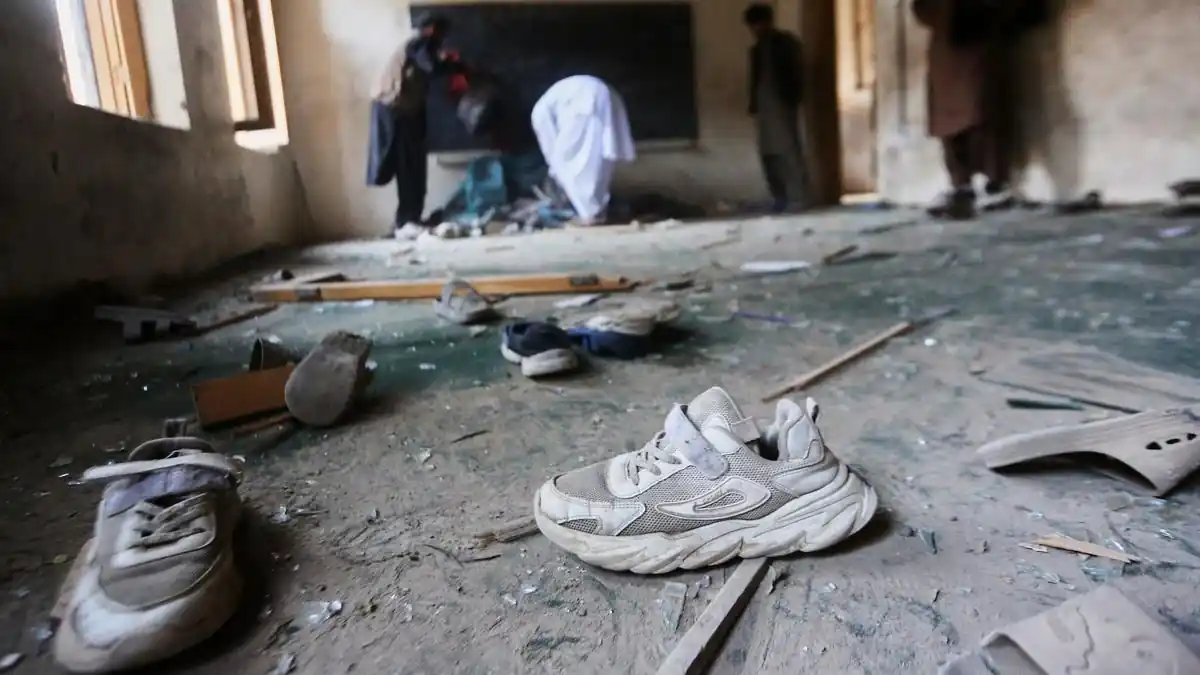
On March 1, a US tactical operations center at Port Shuaiba in Kuwait was hit by a one-way drone. Six US Army Reserve soldiers were killed. Over 20 wounded.
The Post asked the Pentagon directly whether Starlink had any role in that strike. The Pentagon would not comment. That’s not a yes. It is not a no though and the report does not say it is related. It just says the period covered overlaps with the attack.
Not much, and what it said was narrow. A spokesperson told the Post the department is “not aware of the existence” of a Central Command report to Hegseth on this subject.
Note what that denies and doesn’t deny. It does not say anything about whether Iran used Starlink. It merely indicates whether or not a given report exists. Reuters reported that SpaceX and the Defense Department did not respond to requests for comment.
The company also added more restrictions to Starlink sales and suspended its Indirect Reseller Program, the channel by which terminals can end up with customers that the company never directly vetted, according to TechCrunch. Coverage doesn't say exactly when that pause took place, so take with some care.
India has its own history of this. Indian security agencies put a hold on final clearances for Starlink’s commercial launch in June after SpaceX provided access inside Iran without a license there, Bloomberg reported in June. The officials feared they could not really control the network. That was days before the SpaceX IPO.
That worry is fed by the new report.
There are three things to look for. Whether the Pentagon deals with the assessment itself, not just the fact that it exists. If SpaceX says anything on the record about the two incidents flagged. And whether lawmakers in Washington begin asking how a satellite service for commercial companies got wired into both sides of a war.
And for now, the story has only anonymous sources and one newspaper. Other outlets have picked up the headline and not added to it.










Comments 0