
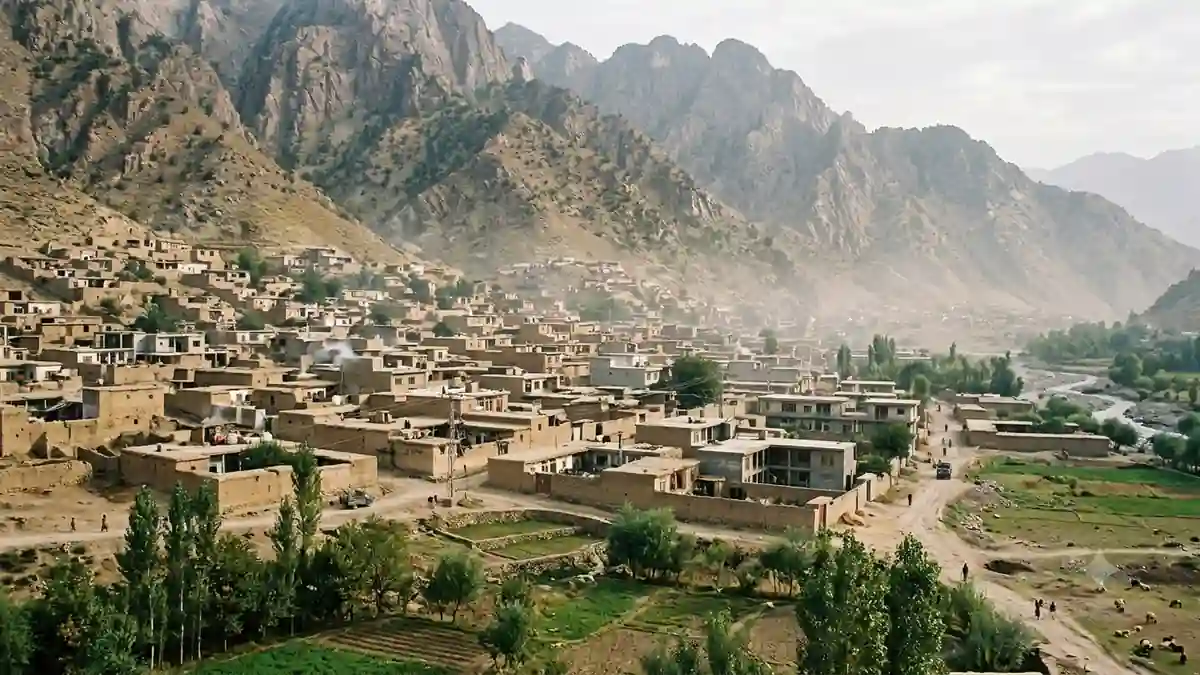
Andar Ser was on the verge of beginning his schooling when the blast occurred.
The 10:00 AM blast Saturday rocked the outskirts of the eastern Afghan city of Asadabad, capital of Kunar province. The blast damaged homes in the vicinity and knocked out part of the middle school building. Social media videos showed distressing scenes of locals pulling injured children from private cars outside the emergency ward of a local hospital in Asadabad, as rescue crews and neighbors sifted through the wreckage.
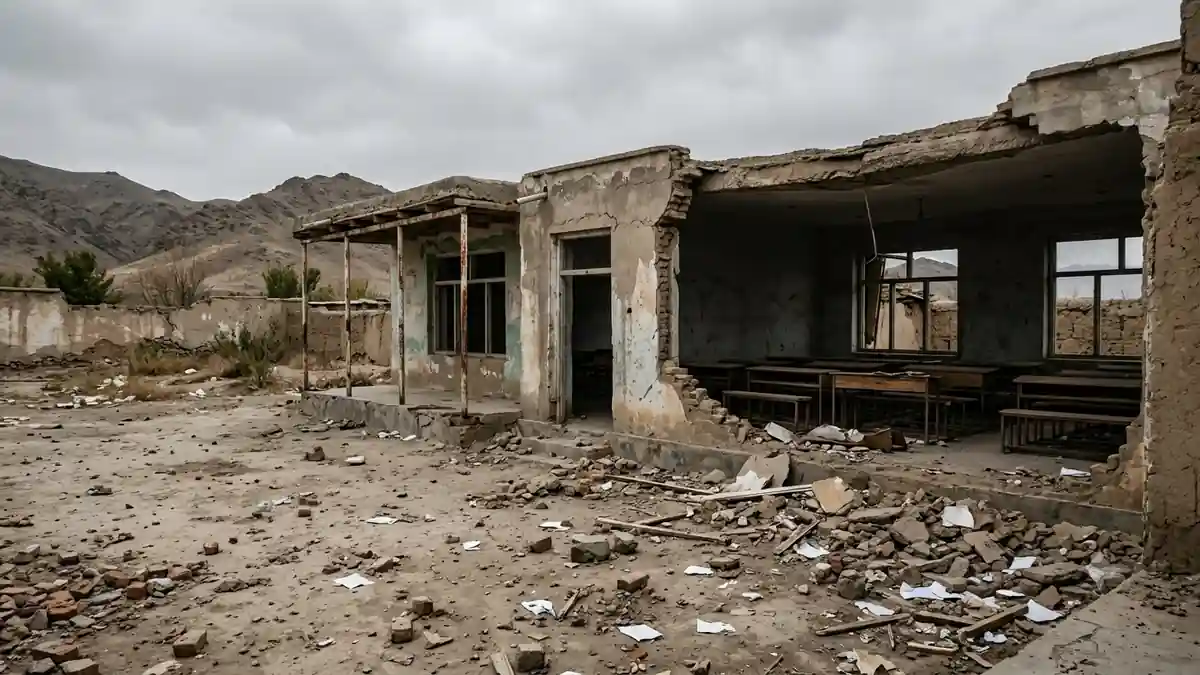
Later in the afternoon, officials revised the numbers. "Seven students dead, 99 wounded," Abdul Mateen Qani, the spokesman for the Taliban's Interior Ministry, said. Sami ul Haq Bayan, Kunar's Taliban director of Information and Culture, put the toll at seven dead and 97 wounded, mostly children.
Most of the injured did not require extended hospitalization. Up to 15 students remained hospitalized, and others were treated and discharged from the hospital, Bayan said. The more serious cases were sent to Nangarhar Provincial Hospital.
But not all reports agree with the official figures. On Saturday, Mawla Dad, the director of Kunar Provincial Hospital, told Al Jazeera at least six students were killed and 97 wounded, warning the toll could change. But Kunar Provincial Hospital sources told independent Afghan news service 8AM Media at least 25 secondary school students were killed, with nearly 50 others wounded.
The authorities don't think the school was the target of Saturday's explosion.
"The first indications are for the neighboring house itself," Qani and Bayan say. The explosion took place in a house and a depot where mining companies store explosives. "They were being prepared for mining operations when they exploded," said Bayan, as officials blame negligence for the tragedy. "We don't know what has happened," said Farid Dehqan, a spokesman for the Kunar Provincial Police Headquarters, adding an investigation into the cause of the blasts was underway.
The danger category is especially relevant to Kunar's local economy.
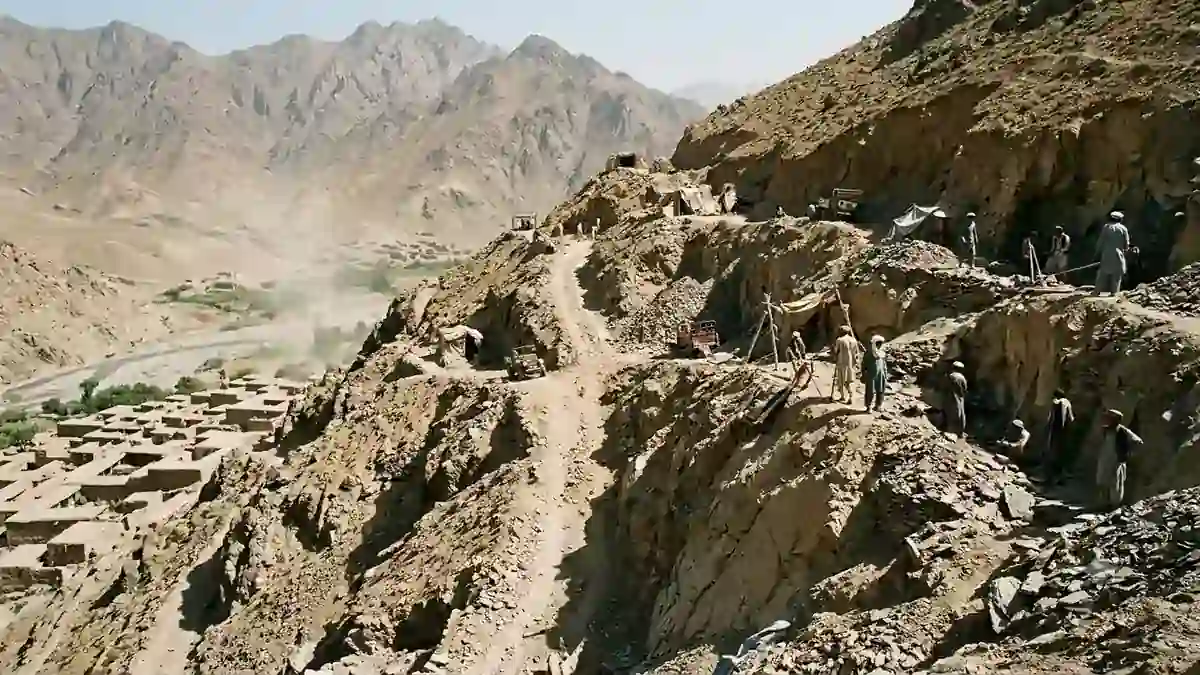
The mountainous province, which borders Pakistan's Khyber Pakhtunkhwa, has seen a surge in precious stone mining. Locals mine for gems in the hills and auction them off. Coal, copper, iron ore, gold, lead, zinc, and gems are big business nationwide, but the most basic safety rules are frequently flouted. The storage facilities, squeezed into residential neighborhoods, are ticking time bombs in the absence of oversight.
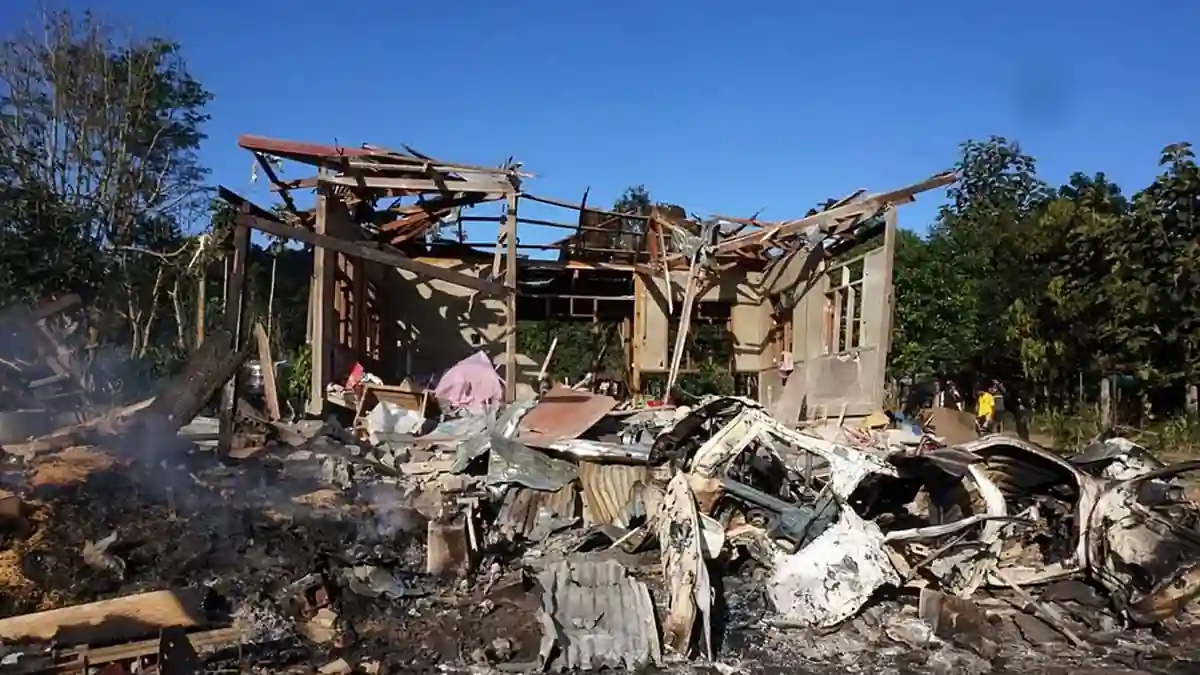
Tragically, the crisis of Saturday in no way is an isolated one for students nationally.
And in Kabul three months ago in August, a hand grenade was thrown into a school complex, wounding more than 40 children ages 9 to 14. At least 42 children were wounded in the bombing of the education center in Kabul, the United Nations Assistance Mission in Afghanistan said.
The students of Afghanistan are paying the highest price: deliberate violence in the capital and untended industrial explosives planted against a country classroom.
It's unclear which mining company owned the depot of explosives or why commercial blasting materials were being stored and prepared in a house directly adjacent to a middle school.
It also wasn't clear if police have arrested anyone for suspected negligence. Taliban officials said they would present more findings when their investigation is over but did not say if they would survey or clean other makeshift mining sites near homes in Kunar.
Another unknown is the number of casualties. But even that 25 is guessing; the government says seven dead; independent local reports cite the figure at 25, and as many as 15 wounded students continued to park on hospital beds Saturday nite. Meanwhile, officials have not said what triggered the 10 a.m. explosion or when the damaged school may safely reopen.









Comments 0