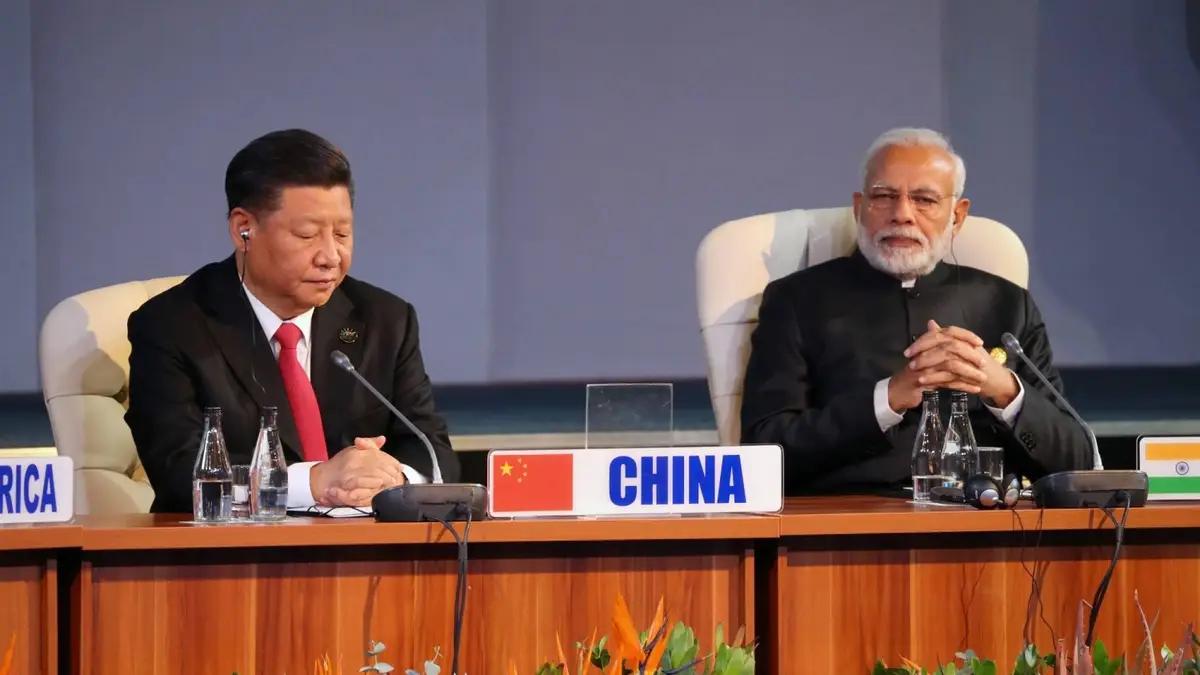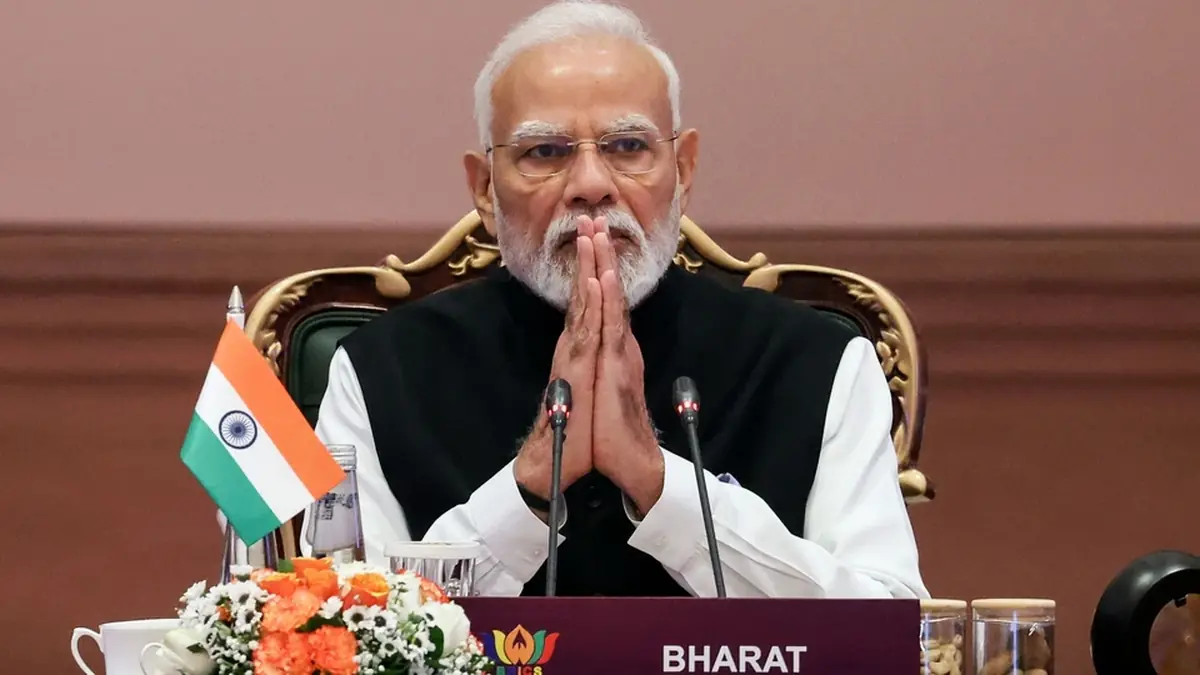
The recent summit is not just about photo sessions of world leaders; it has resulted in an official and comprehensive statement taking a stance on the trade disputes that are expected to define the year 2026.
Prevention of conflict, diplomacy, and management of various issues like unilateralism in trade and nuclear threats, as well as payment systems in all kinds of transactions, are the subject areas in this regard from the New Delhi Declaration by the BRICS countries.
The above declaration from New Delhi has been supported by the aforesaid 18th BRICS summit of 2026, which had as its theme "Building for Resilience, Innovation, Cooperation, and Sustainability."
With respect to tariffs, the language of the group was unambiguous, although no specific country was mentioned.
The BRICS countries were worried about the increasing use of unilateral tariffs and non-tariff measures, which would distort trade and violate the WTO principles. The statement warned of the potential dangers from an increase in restrictions on trade, which include indiscriminate increases in tariffs and protectionism, supposedly aimed at environmental goals.
But besides the tariff barriers, the declaration made more provisions against coercive economic instruments as part of the foreign policy.
The declaration spoke out against unilateral coercive measures, such as economic and secondary sanctions, which it stated were a violation of international law with extensive effects on the people of the targeted nations. It further stated that such measures unfairly target disadvantaged and vulnerable communities, as they deny them access to their rights to development, health, and food security.
BRICS once again denounced unilateral coercive measures such as sanctions not sanctioned by the UN Security Council and called for the removal of such "unlawful" measures that violate international laws and the UN Charter."
Rather than just being critical of the present trading regime, the group agreed to strive for concrete institutional reforms.
The BRICS group affirmed that it would work for increasing responsiveness of the WTO to trade disruptions as well as the requirements of the developing world, thus calling for balance and inclusiveness. The declaration emphasized strong support for the reform of the WTO into an open, transparent, equitable and rule-based global trading system.
However, the reach of the statement was not limited to economic policies alone but was much wider as far as global security and dispute settlement were concerned.
The organization highlighted the importance of conflict prevention activities, including dealing with the root causes of conflicts, while reaffirming its resolve to settle international disputes in a peaceful manner by means of dialogue, consultation, and diplomacy. Concern over the increasing threats of nuclear danger and conflict was also raised in the statement.
As far as the economy was concerned other than trade, the bloc made further progress in talks on alternate payment systems among member states.
BRICS members pushed for further progress in talks that would result in practical steps towards making cross-border payments easier among member countries, especially by paying attention to cross-border payments and solutions that are swift, cost-effective, accessible, and secure. Another discussion in this regard was the one over the New Investment Platform and the BRICS Risk Lab proposed by India.
This is not the first time that BRICS has gone after unilateral tariffs, as the language reflects and builds upon the stance taken by the bloc at past summits.
In a past summit in Rio de Janeiro, for instance, BRICS had expressed "serious concerns" regarding the growing tendency towards unilateral imposition of tariffs and non-tariffs that were distorting international trade and violated the rules of the World Trade Organization, although without specifically identifying the United States or President Trump.