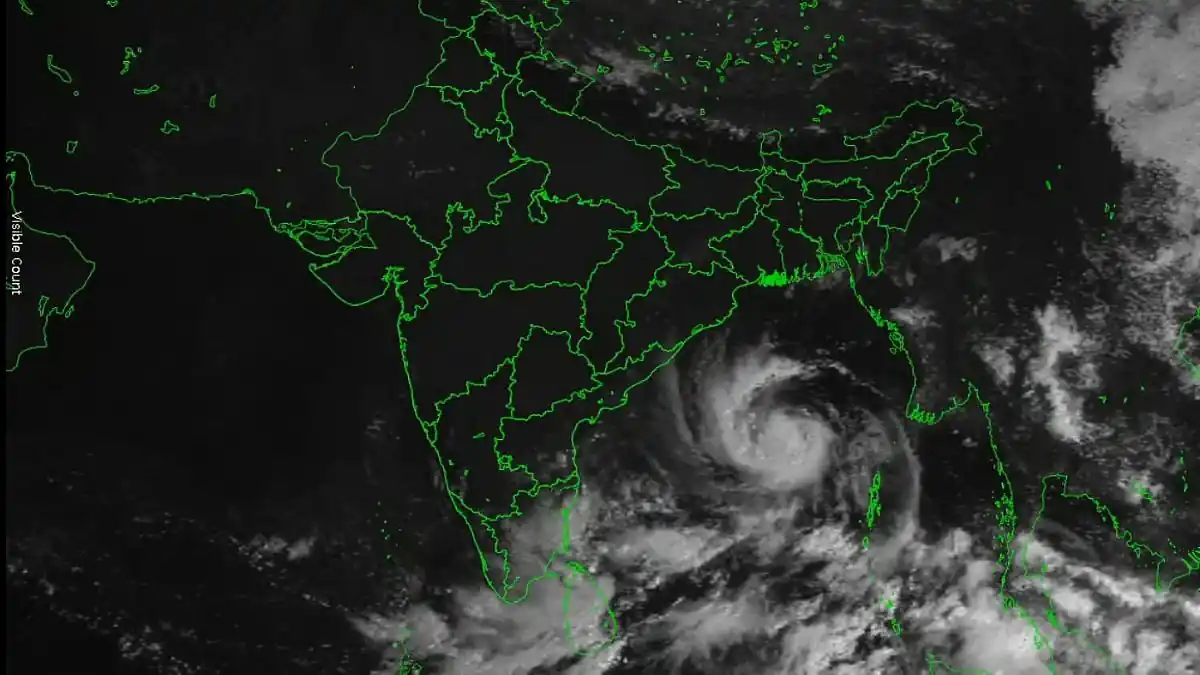
According to Outlook India, “Arnab” translates to “ocean” in Bengali. The cyclone bearing the same name has not been at all mild in the Bay of Bengal this week.
The strengthening Cyclone Arnab was moving in to make its landfall along the coast of Andhra Pradesh on October 28 in the early hours of that day, as per an announcement by the India Meteorological Department on Monday.
Two states of India were working overtime to clear their vulnerable coastlines on Tuesday, October 27.
The prediction of IMD is quite accurate. It will be making its way to the shorelines of Andhra Pradesh/Yanam in the region of Bapatla/Visakhapatnam with winds blowing at the speed of 115 to 125 kilometers per hour and gusting up to 140 kilometers per hour, making it a very severe cyclonic storm.
Water too poses a danger. Storm surges could range from 1 meter to 1.5 meters above the height of astronomical tide in low-lying areas along the coastal region of Andhra Pradesh. The maximum storm surge will be observed around Kakinada and Yanam.
IMD released an alert of category red for Andhra Pradesh and adjacent regions of Odisha.
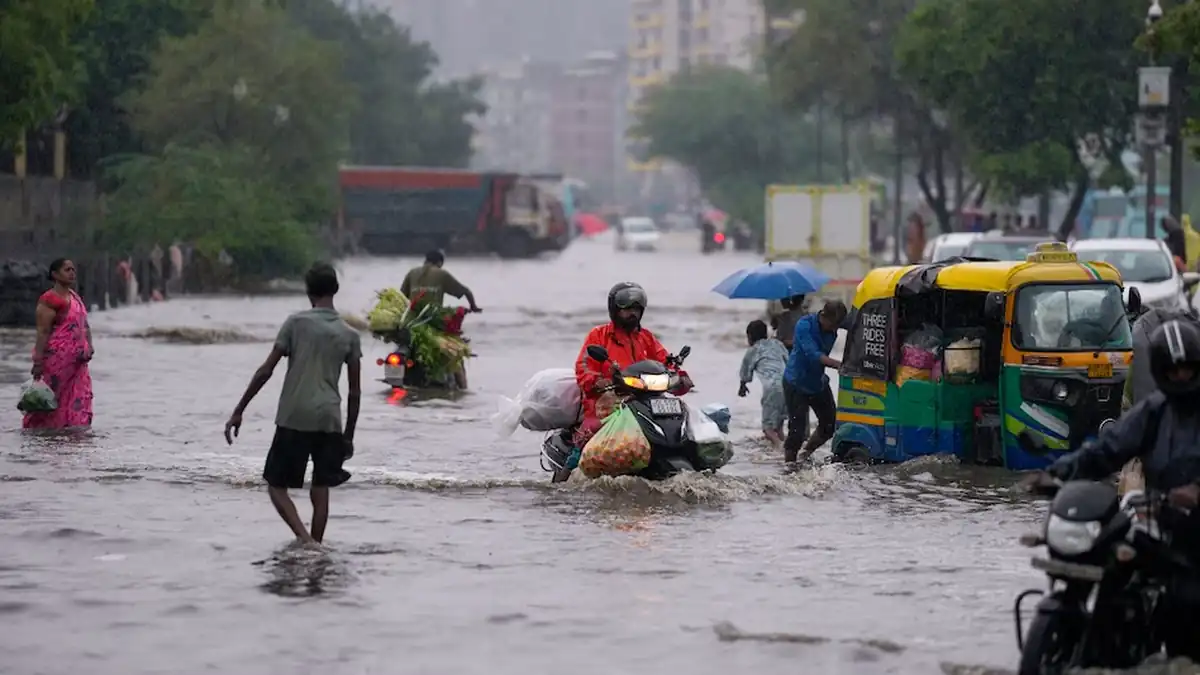
There is going to be no impact only near the coast. As per the prediction of IMD, heavy rainfall is expected in certain localities in coastal areas of Andhra Pradesh and Yanam from October 27 to 28, Odisha on October 28, and in Chhattisgarh from October 28 to 29.
Thereby, the chances of flood occurrences far away from the landfall area have increased.
CM N. Chandrababu Naidu has already acted swiftly. He ordered his men to evacuate people from vulnerable places and deploy emergency teams in 11 districts.
This is a huge undertaking. The Andhra government has identified 570,000 vulnerable people in the risky coastal and low-lying zones.
There is inconsistency about the number of rescue teams on the job. Some reports talk about 10 NDRF and 11 SDRF teams; some talk of 7 NDRF and 8 SDRF teams in 11 districts.
Schools and colleges in a number of districts would remain shut on 27th and 28th October.
Andhra schools are to shut for two days.
However, one positive development took place. All the fishermen who went out into the sea came back safe, and 30,043 boats have docked in harbors. Naidu has directed that the fishing should continue to be banned until the strength of the cyclone reduces.
The state is also making provisions for funds. The state of Andhra has made available Rs. 27 crores to 20 districts.
The south coast of Odisha is also vulnerable. Twenty-four teams of ODRAF and six teams of NDRF have been sent by the state, and district collectors have been put on red alert.
Similar goals have been set by both states. Their objective is to achieve "zero loss of life."
The date of landfall seems familiar enough. The month of October 28, 2025, saw the formation of Cyclone Montha, which formed on the Andhra coast in Kakinada as a severe cyclonic storm. The winds in this storm were predicted to blow at 90-100 kmph, with gusts touching 110 kmph. Arnab will be even more powerful.
But Andhra has faced something worse. In November of 1996, a cyclone hit near Kakinada at a distance of around 50 km. This storm had caused destruction to 647,554 homes, with over 10,000 completely destroyed.
That is why the authorities act quickly now.
The advice given above is very simple and essential. The people living in the low-lying regions close to the coastline need to seek shelter once advised by the concerned officials. Fishing and sea journeys should be stopped.
There may be changes in the last path of the storm before hitting the land, and there is uncertainty about the prediction of the intensity of the storm. There are no casualty or damage reports as of now.