Twenty-nine years is a long time to sit on a phone call. Charles Spencer, the 9th Earl Spencer and Princess Diana's younger brother, has apparently spent almost all of them thinking about one.
His new memoir, Swan Song: Diana, My Sister, hits shelves on September 22. An extract serialised in the Daily Mail this week has already done what publishers hope every serialised extract will do: it's dominated royal coverage for two straight days.
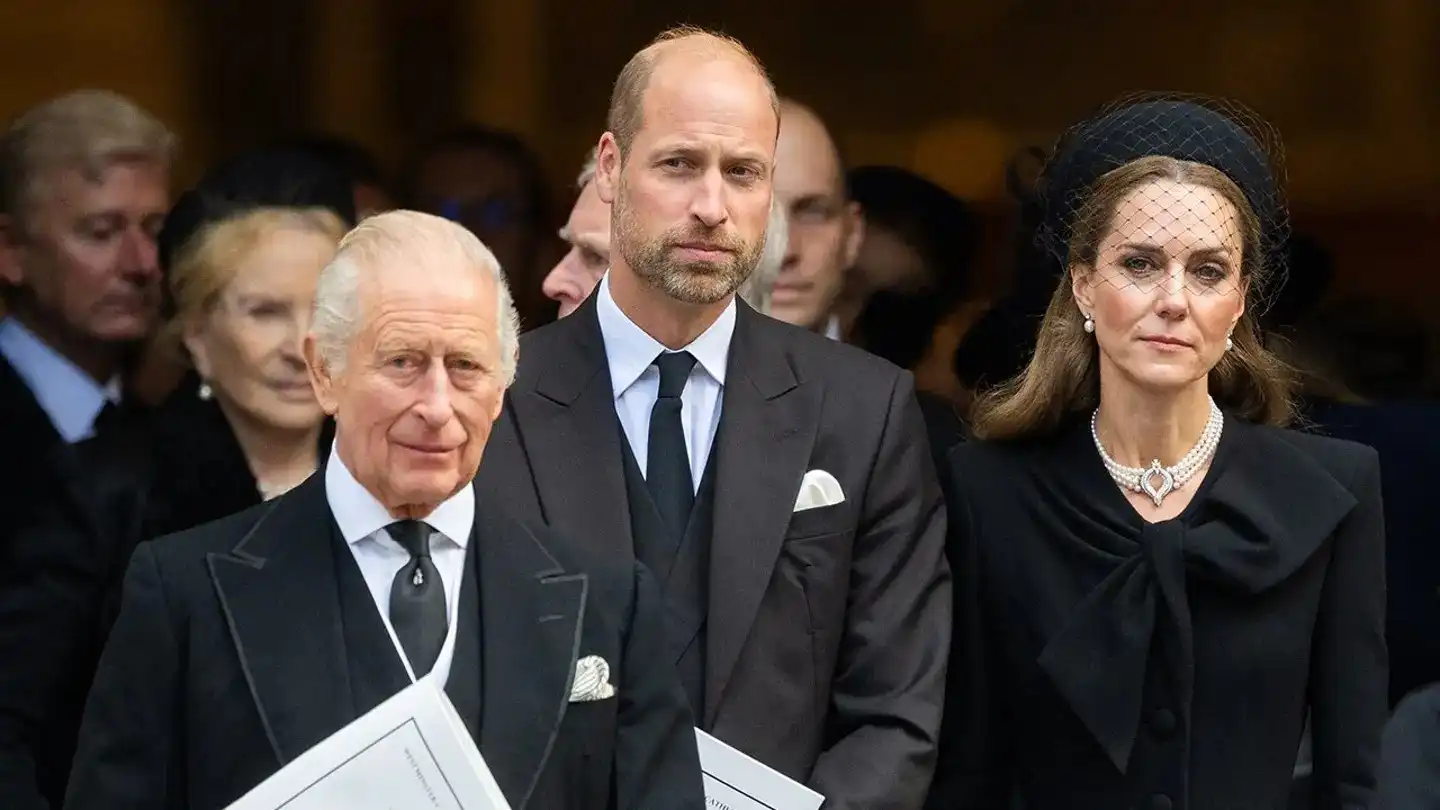
The claim at the centre of it is specific, and it's brutal. Spencer writes that in the days after Diana died in a Paris car crash in August 1997, he got into a heated phone call with the man who was then Prince of Wales, now King Charles III. According to Spencer, Charles "hissed" down the line: "Rest assured, we'll forget her soon enough."
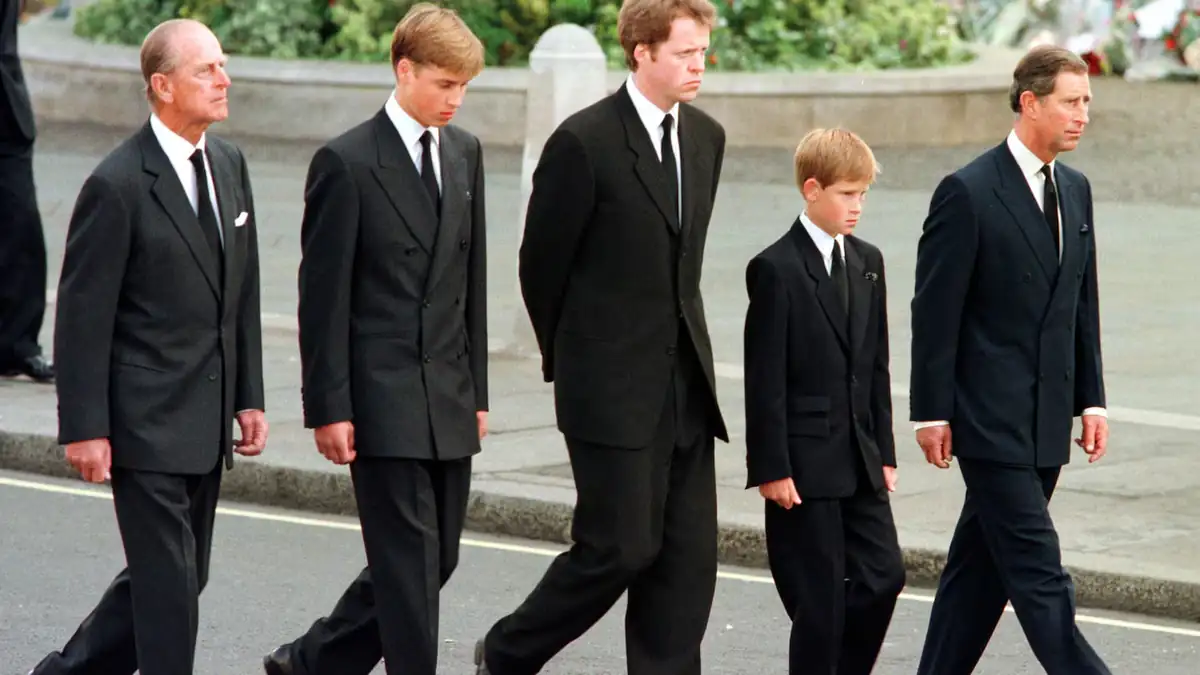
The context matters here, because this wasn't a random outburst. It came out of a dispute over Diana's funeral procession, specifically whether her sons, William and Harry, then just 15 and 12, should walk behind their mother's coffin through the streets of London.
Spencer writes that he opposed the idea outright. He'd been told by a senior aide that the boys wanted to do it, and he said as much: that wasn't going to happen, not on his watch.
Within minutes, Charles was on the phone pressing the case himself, citing his own experience walking behind Lord Mountbatten's coffin nearly two decades earlier, at age 30, a comparison Spencer says he immediately rejected given the age gap.
That's when things reportedly turned, according to the memoir. Spencer describes Charles's response as a release of "pent-up contempt" for Diana and irritation at how consumed the world had become by her death.
The line about forgetting her came somewhere in the middle of that. Spencer says he was too stunned to respond at first, then told Charles flatly that he couldn't believe he'd just said that, and hung up.
None of this is new territory for Spencer in one sense.
He's talked before, including in a 2017 BBC interview around the 20th anniversary, about feeling misled over whether William and Harry genuinely wanted to walk in the procession. What's new is the alleged quote itself, and the fact that it's now in print rather than recalled secondhand in an interview.
Buckingham Palace doesn't typically comment on books. It made an exception this week, and the wording is doing a lot of work.
A spokesperson told GB News that while the palace doesn't comment on books as a matter of principle, the King is mindful that grief between siblings can cloud reason, affect judgment, and color memory in ways others don't recognize, even decades on. Read closely, that's not a denial that the call happened. It's a suggestion that Spencer's memory of it might not be reliable.
Royal commentators picked up on that distinction almost immediately. The Times ran with the line that grief has colored Spencer's account, essentially adopting the palace's own framing.
Whether the public reads it as a gentle correction or a deflection probably depends on which side of the Charles-Spencer divide they were already standing on.
Spencer has given his own explanation for finally putting all this on paper. With the 30th anniversary of Diana's death approaching next year, he's said he's tired of watching other people's versions of her story calcify into accepted fact.
He wants, in his words, to speak on her behalf, the same way he did at her funeral, when his eulogy at Westminster Abbey became one of the most quoted speeches of the twentieth century.
That eulogy is worth remembering here too, because it's the reason this new book carries extra weight.
Spencer used it to promise William and Harry, in front of the world, that their mother's blood family would protect them, a line widely read at the time as a pointed jab at the Windsors. Three decades later, he appears to be picking up roughly the same thread.
The book itself covers far more than one phone call. It's expected to trace Diana's childhood with Spencer at the family's Althorp estate, her fifteen-year marriage to Charles, their divorce, and the frantic days following her death. Publishing insiders quoted in British tabloids have described Charles as bracing for worse revelations still to come once the full book is out.
In an odd twist ahead of publication, several copies of the memoir were reportedly stolen from a delivery lorry in the Netherlands earlier this week, adding a small dose of intrigue to a release that hardly needed more attention.
Swan Song arrives in shops on September 22, and by then the extract war will likely have moved on to whatever comes next in the serialisation.
For now, what's on record is a claim from one brother, a careful non-denial from a palace that rarely says anything at all, and a nearly three-decade-old wound that clearly hasn't closed for either side.