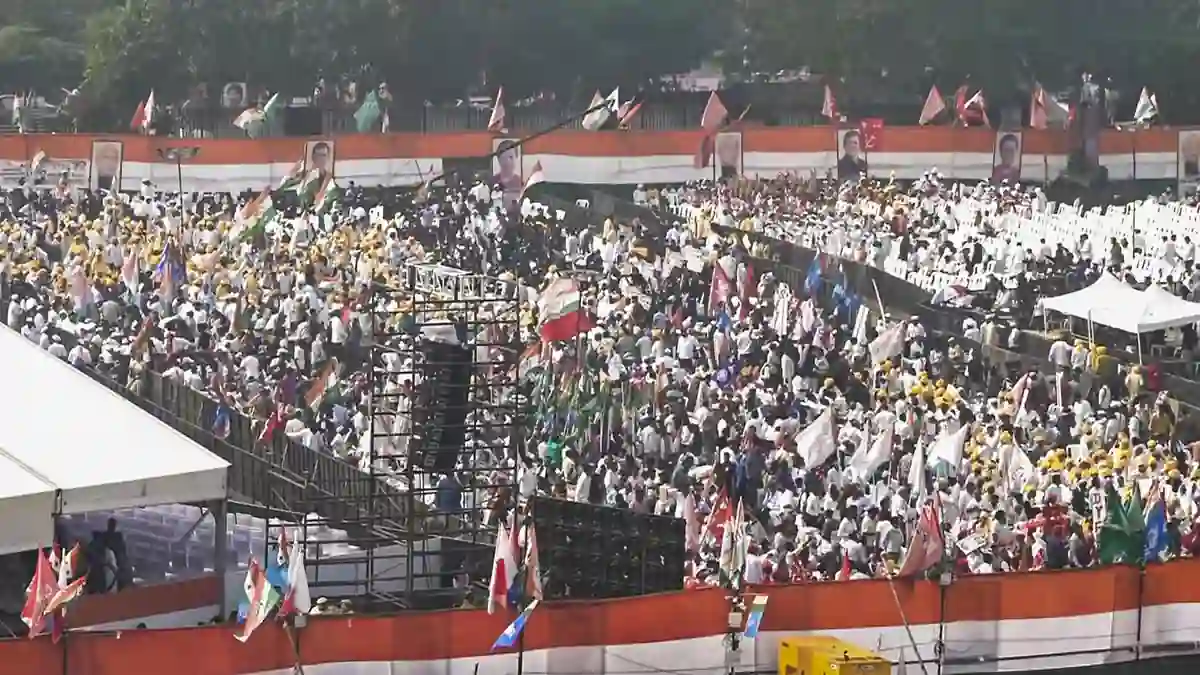
It started like a street party. Protesters wore costumes, some as dinosaurs, others as Batman, and the early atmosphere was mostly peaceful and festive. The crowds brought handmade signs and, by many accounts, a long list of complaints.
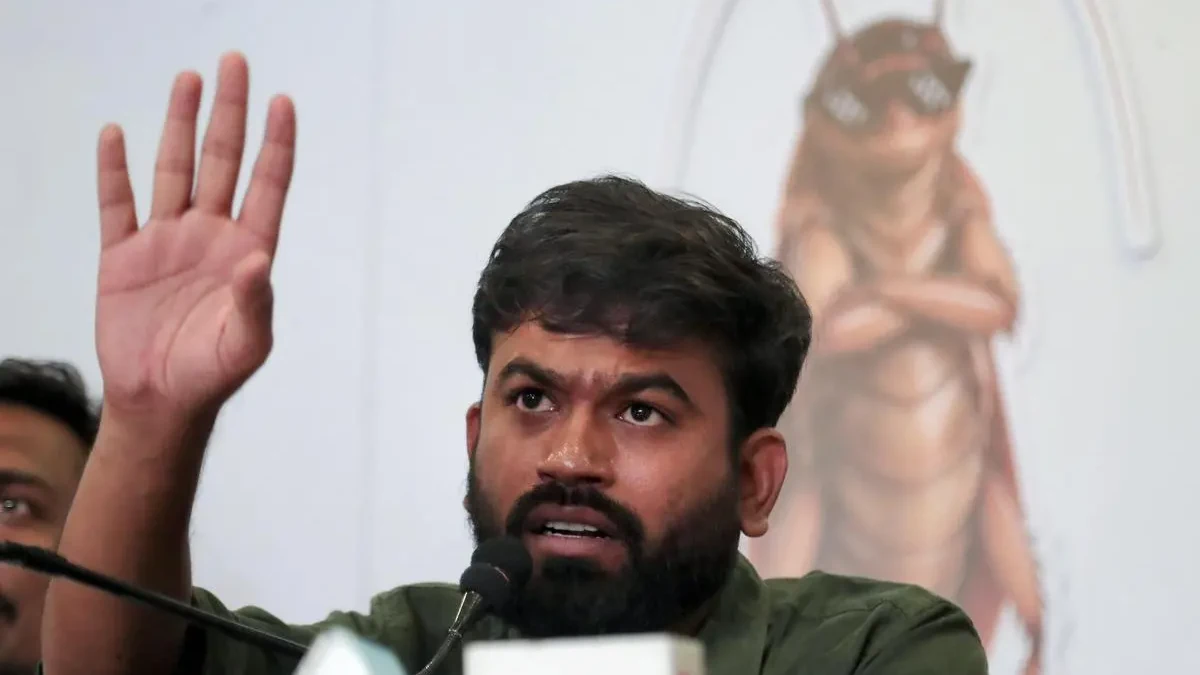
The group is new, only a few weeks old, and its agenda is broad. It opposes compulsory military service and wants more money for schools and health care, plus a fairer sharing of the burden of rising living costs. Other reports add social security and climate action to the list.
Conscription is the sharpest edge. Chancellor Friedrich Merz’s government has been working to rebuild the armed forces, and earlier this year he said compulsory service could be reconsidered if volunteers fall short. That puts a possible draft in front of the very generation now marching. One protester in Munich, an 18-year-old student, told Reuters the government had offered no answer except more cuts and more burdens. In Dresden, a placard said the rich want war and the youth want a future. Some banners were harder-edged. One in Berlin read “Merz muss weg,” or “Merz must go.”
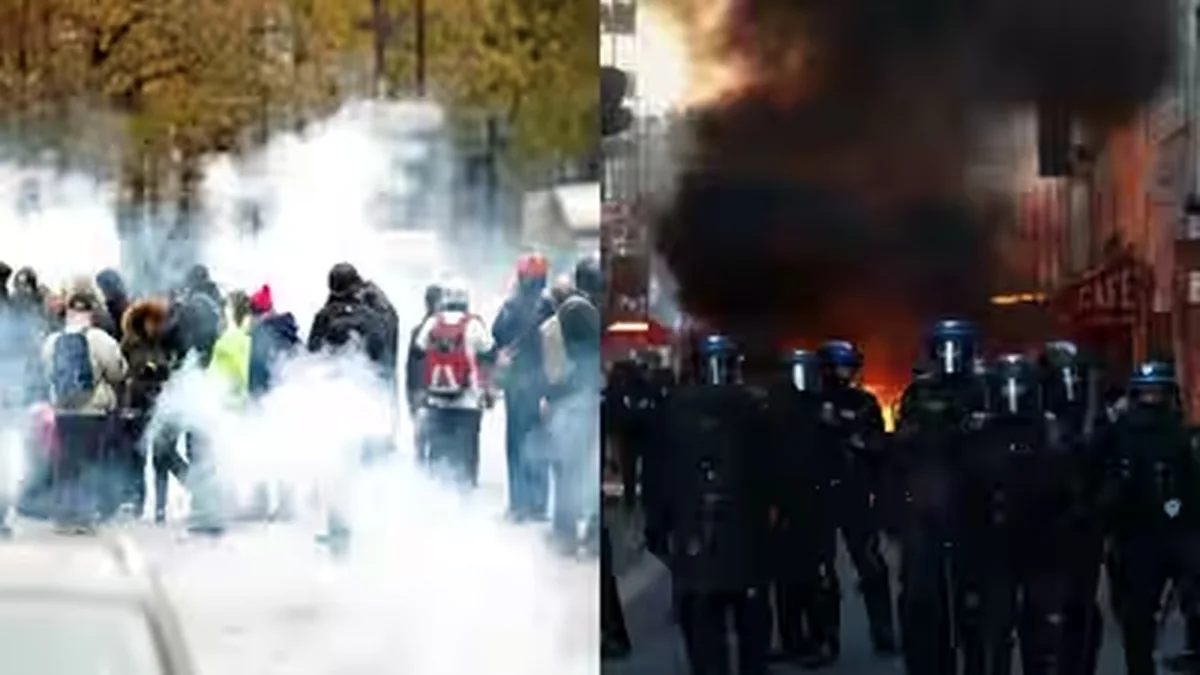
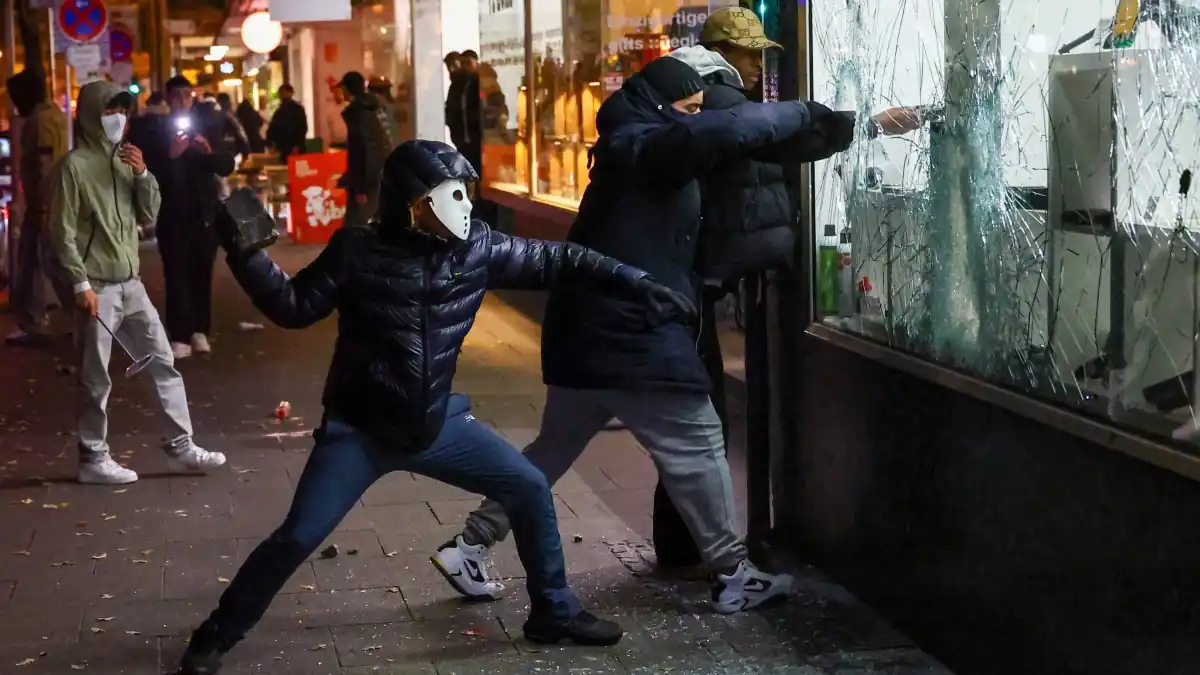
By night, the mood changed. At least two stores were looted in Frankfurt, according to a Reuters witness, and several more were damaged. Police sealed off a large stretch of the city’s main shopping street. Police fired water cannon at youths throwing petrol bombs, and officers were injured. Cologne also saw clashes, and reports from Berlin described a tense evening.
Police say they arrested a suspect in Frankfurt and seized two weapons. Other reports mention numerous arrests, though I couldn’t find a single confirmed total.
This is where the arguments start. Roman Poseck, the interior minister of Hesse, said around 100 clearly identified left-wing extremists had infiltrated the protest, and called the outcome shameful. He also pointed to images from France in the public mind, where similar protests have turned into rioting and looting.
At the federal level, Interior Minister Alexander Dobrindt told Bild that violent left-wing groups and troublemakers from migrant communities had hijacked peaceful protests. He did not elaborate. The German police union also warned beforehand about infiltration by violent left-wing extremists and Islamists.
The organisers see a different problem. They had asked for peaceful protest and said extremist groups were not welcome. Before Saturday, they argued that too much attention on violence risked distracting from what young people were actually asking for. Now that there are pictures of looted shops, that argument will be harder to make.
Three things haven’t been settled. The first is size. Organisers expected over 160,000 people, while police estimates from the afternoon were far lower. The second is who actually looted. The officials’ claims about extremists and migrant communities are their statements, not findings, and I haven’t seen the evidence behind them. The third is whether the movement survives the night. The group is calling for further protests, and the question is whether it can keep its core demands in front of the public once the story becomes about Frankfurt.
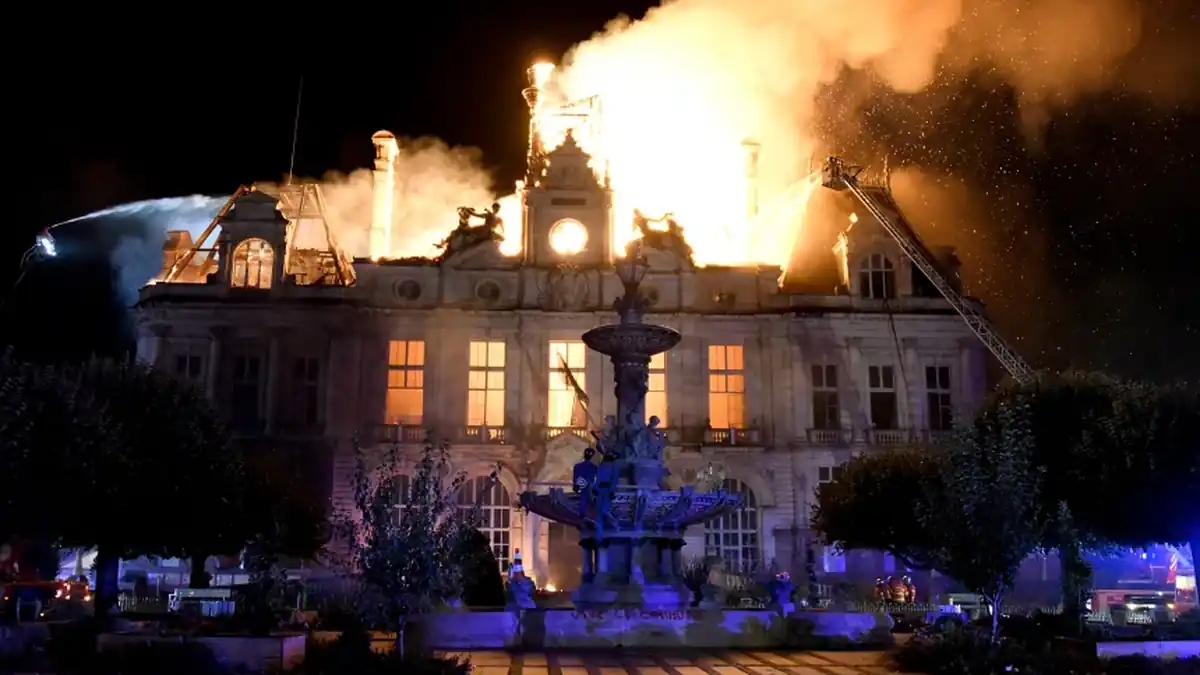
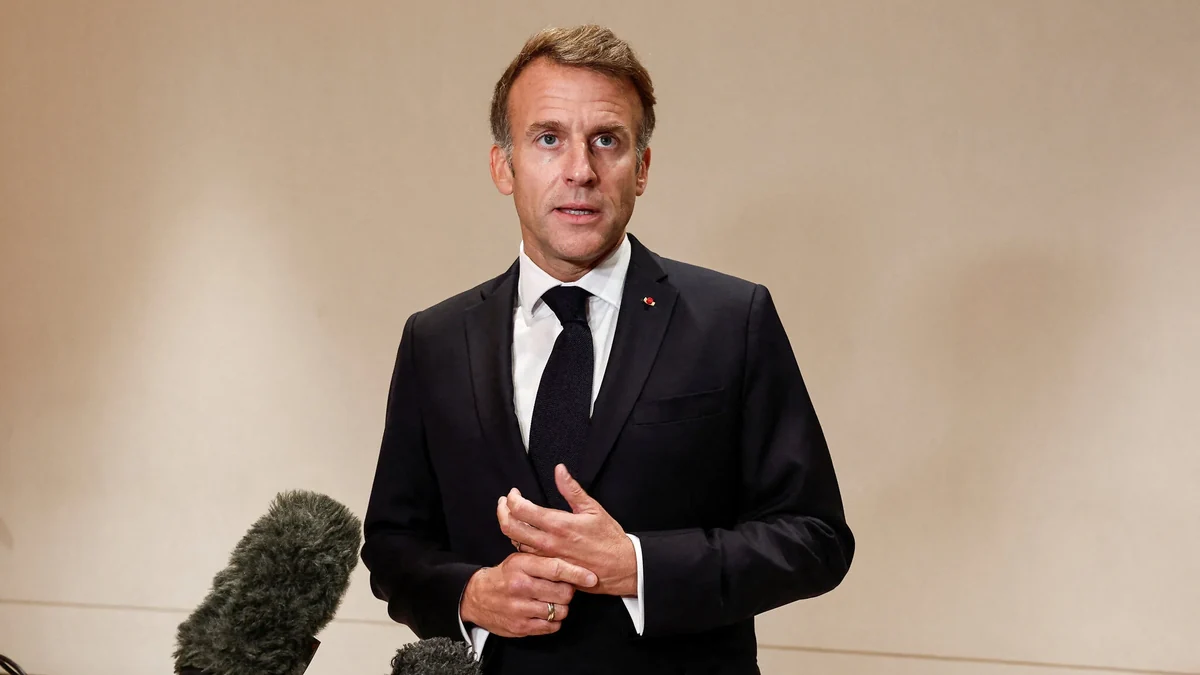
For Berlin, the lesson is awkward. Protests with these demands have been building across Europe for months. In Serbia, student activism helped unseat a long-serving leader at the ballot box. In France, demonstrations descended into rioting. Germany had mostly avoided that until Saturday night.