Forty four years is a genuinely strange amount of time to carry a wait around. Long enough that almost nobody competing today was even born the last time it happened.
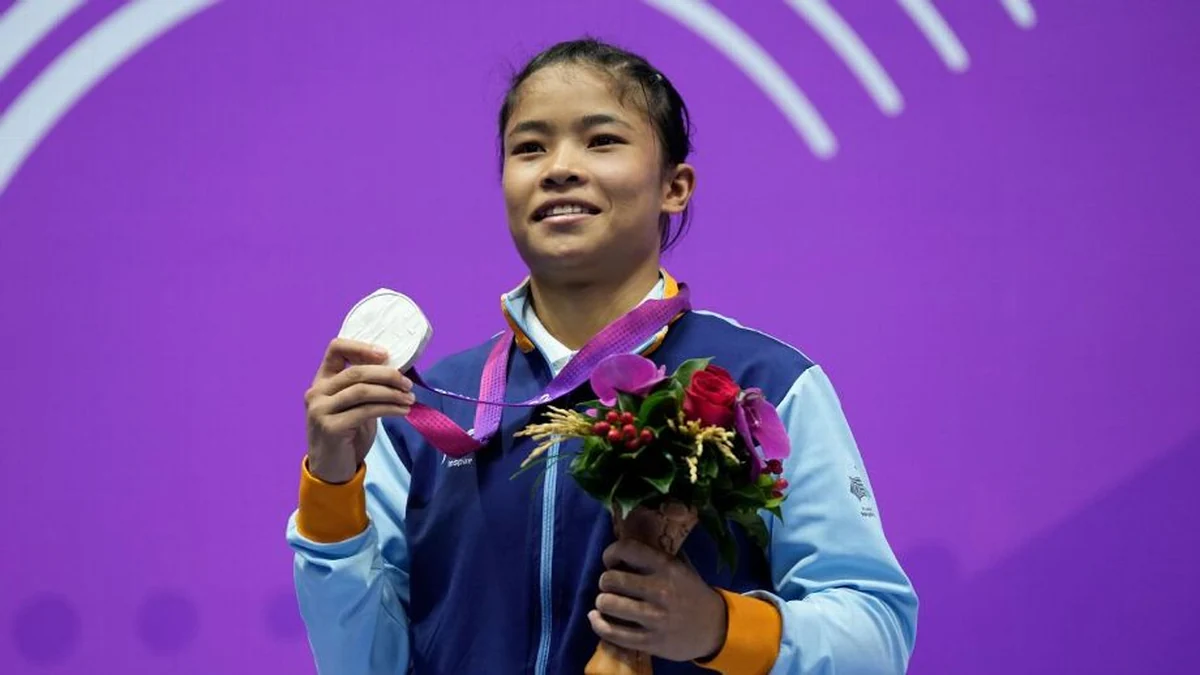
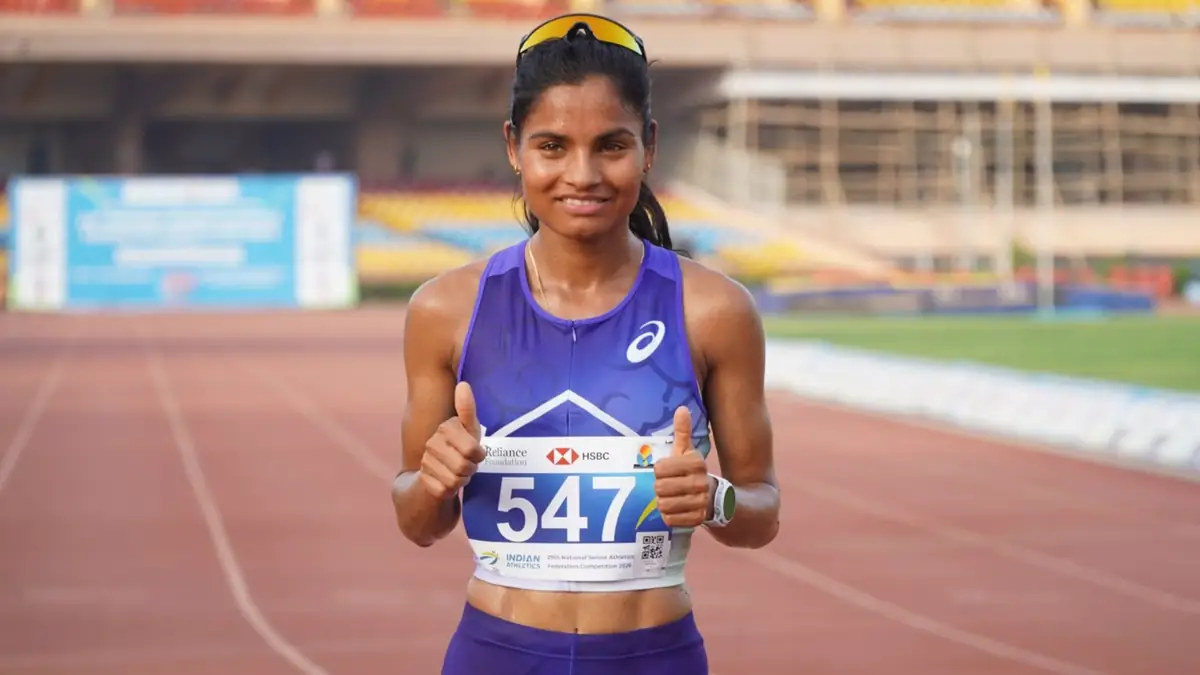
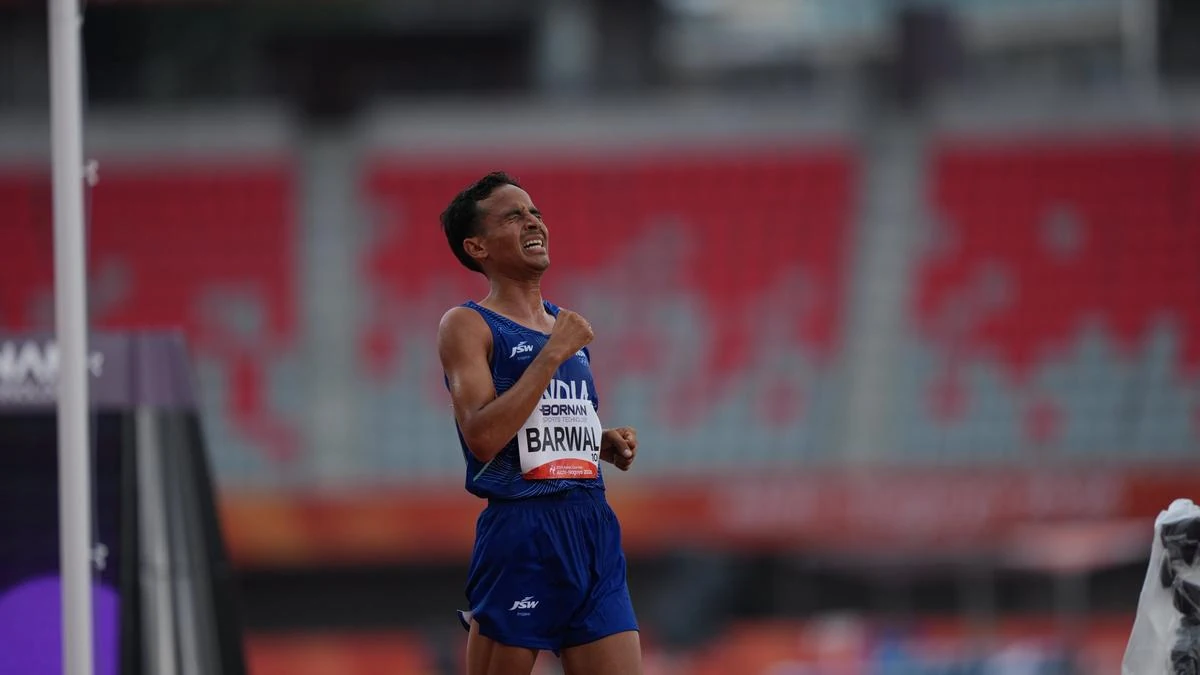
That's exactly the gap India just closed. On Day 8 of the Asian Games in Nagoya, an Indian runner won a medal in the men's marathon, the country's first podium finish in that event since the 1982 Asian Games, which India itself hosted in New Delhi. On the same day, Baranica Elangovan added something even rarer to the medal table: bronze in the women's pole vault, a discipline where India had never won an Asian Games medal in its history, full stop.
Here's the history that makes this marathon result land differently. India's last Asian Games marathon medal came at the 1982 Games in New Delhi, when Hosur Kukkappa Seetharan won bronze. Go back further and India actually has a decent marathon pedigree at these Games, Chota Singh took gold and Surat Singh Matur bronze all the way back in 1951, the very first edition. But after 1982, nothing. Four decades of Indian marathoners showing up and going home empty handed in this specific event.
What makes this year's breakthrough interesting is who was even in the mix to attempt it. Three Indian runners qualified for the Asian Games marathon spot earlier this year at the Cognizant New Delhi Marathon in February, and all three came in with genuinely compelling stories of their own. Kartik Jayraj Karkera, a 28 year old orthopedic surgeon, ran his very first marathon in Mumbai in January, then came back a month later and posted the best Indian marathon time in nearly half a century, the fastest since Shivnath Singh's long standing national record from 1978. Gopi Thonakal, a veteran of the distance who's been one of India's most consistent marathoners for years, finished right behind him. Man Singh, an Army runner and the defending national champion, rounded out the trio, having already run a personal best in Valencia the previous December.
All three crossed the qualifying mark within five seconds of each other in Delhi. Whichever of them stood on the Nagoya podium, and reporting confirms a medal did come home in the event, it's the product of a genuinely deep pool of Indian marathon talent that simply hasn't existed in this form for a long time.
Baranica Elangovan's story runs on a completely different track, literally and figuratively.
She's 29, originally from Tamil Nadu, now training out of Bhubaneswar in Odisha. Pole vault wasn't even on her radar growing up. She played basketball in college, and before that ran long jump and triple jump in school. It took a college instructor spotting something in her and pushing her to try the pole for the sport to enter her life at all. She's said herself it wasn't something she was remotely interested in at first.
Once it stuck, though, it became a genuine obsession, specifically around the national record. She spent nearly four years chasing it, failing on three separate attempts to break the old mark, watching a rival, Rosy Meena Paulraj, break it twice in the span of a single fortnight in 2022, and then trying five more times to get past Paulraj's new benchmark before finally clearing it. When she finally did break through, in March this year, it took her all of eight seconds from the start of her approach run to the landing. Four years of frustration, undone in eight seconds.
She's kept improving since then too, pushing her own national record higher more than once over the following months. All of that built directly into Nagoya, where she turned personal progress into something India had genuinely never had before at these Games: a pole vault medal, any color, of any kind.
What connects a 29 year old former basketball player and a trio of marathon runners led by a practicing surgeon isn't obvious on the surface. But look closer and it's the same pattern showing up twice in one day. Neither achievement happened quickly. The marathon breakthrough sat dormant for 44 years while generation after generation of Indian distance runners came up short. Baranica's own personal record chase alone ate up four years before Nagoya even entered the picture.
Sport doesn't usually reward patience with a headline. This particular day in Nagoya did exactly that, twice.