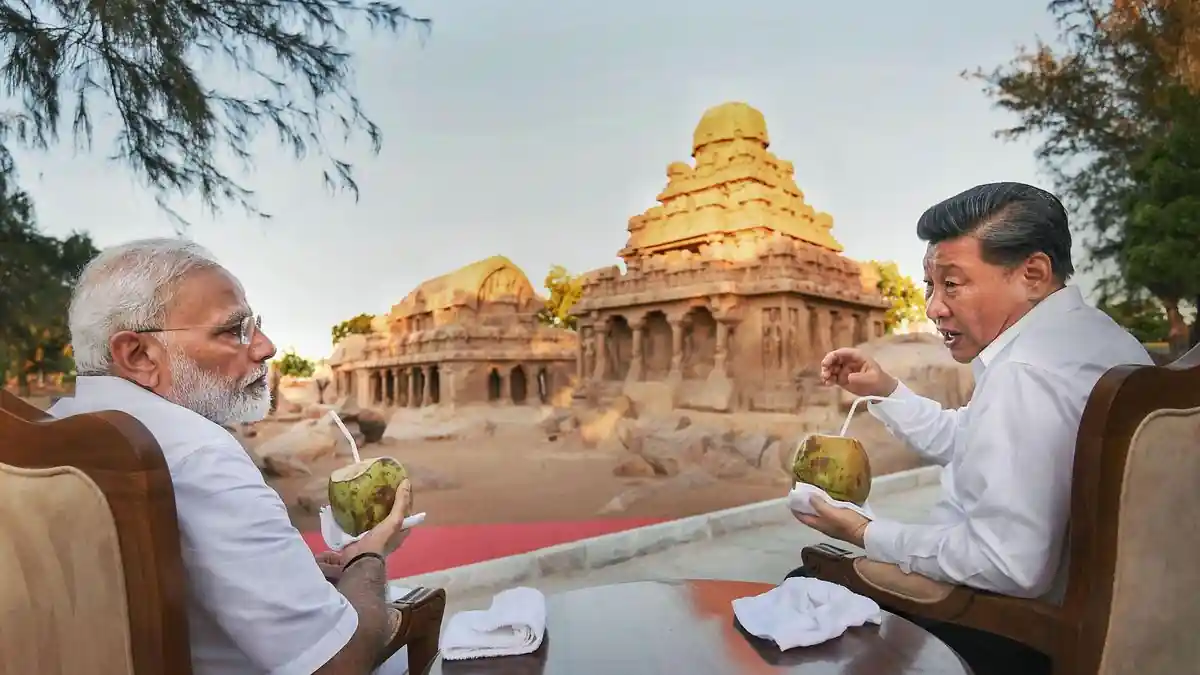
India is currently hosting the 18th BRICS Summit, taking place in New Delhi between September 12 and September 13, 2026, marking India’s fourth time as a BRICS chair.
The leaders’ summit takes place on the Saturday, while the outreach summit, which will involve the partners and regional organizations that have been invited, takes place on Sunday. The wider events will take place from September 11 to September 13 at Bharat Mandapam.
The theme of India’s chairmanship is "Building for Resilience, Innovation, Cooperation, and Sustainability." India’s Prime Minister Narendra Modi has said he expects the summit to produce productive deliberations for the good of the entire globe.
It is the first such event being held by the expanded 11-nation group comprising Brazil, Russia, India, China, South Africa, Egypt, Ethiopia, Indonesia, Iran, Saudi Arabia and the United Arab Emirates.
Those who will be participating in the summit include Chinese President Xi Jinping, Russian President Vladimir Putin, South African President Cyril Ramaphosa, Iranian President Masoud Pezeshkian, Egyptian President Abdel Fattah El-Sisi, and Indonesian President Prabowo Subianto.
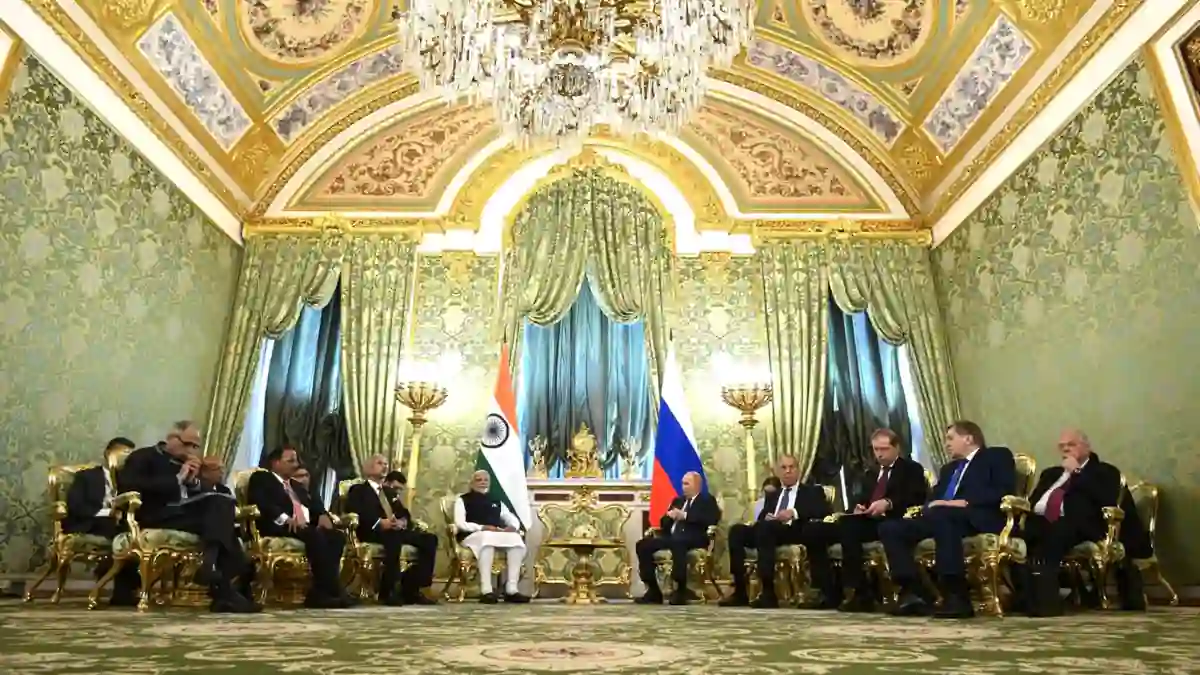
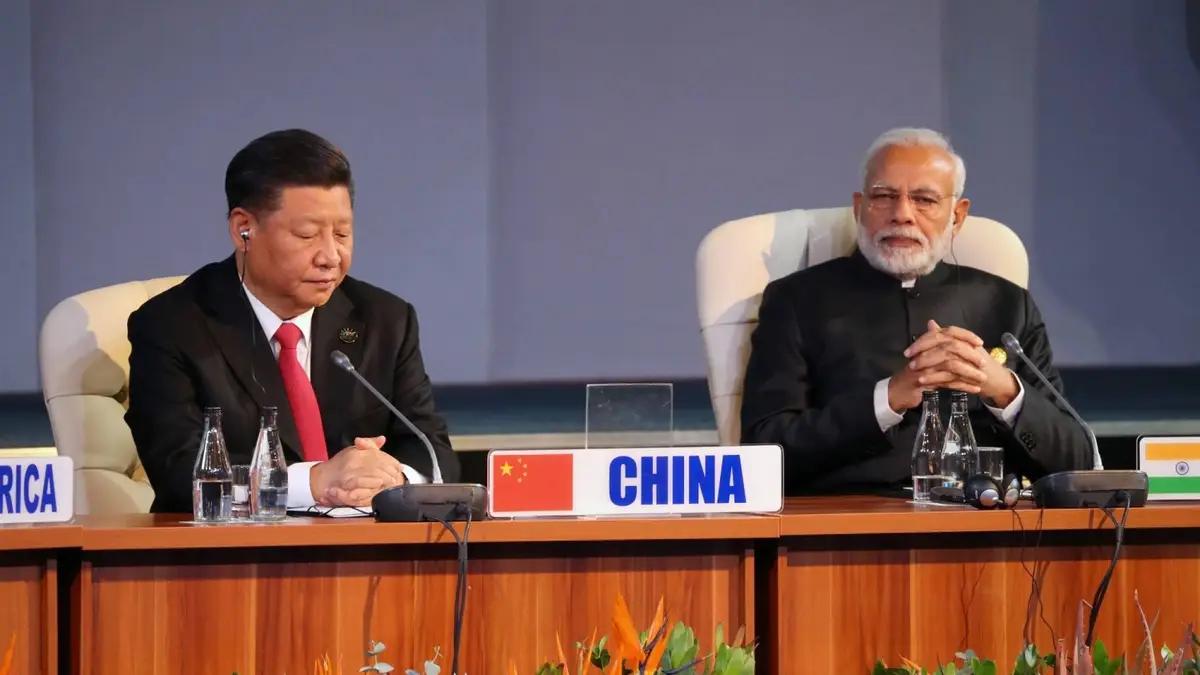
It is important to note that Putin's visit to the summit on September 11 would mark his first ever in-person appearance at a BRICS conference outside Russia since the outbreak of the Ukraine war in 2022. Xi Jinping is expected to leave the summit soon after attending a meeting with US President Donald Trump.
Prime Minister Modi has organized several bilateral discussions on the sidelines of the summit, with at least 15 participants from other nations visiting India, including Putin, Xi, and Pezeshkian.
Putin and Pezeshkian had their discussion with Modi on Friday, while a much-awaited discussion between Modi and Xi is to take place on Saturday.
India's agenda points range from supply chain management, cross-border payments, trade, technology and artificial intelligence, energy, development finance, and global governance reforms to cooperation on agriculture, innovation, and health. De-dollarization, Middle Eastern security, and critical resources are also expected to be discussed.
An important element in the economic agenda is that of cross-border payments infrastructure. As part of the agenda under India's chairmanship, BRICS Foreign Ministers have already worked towards developing a cross-border payments system involving national payment.
local currency settlements—deliberately stopping short of pressing for a common BRICS currency. However, any effort aimed at promoting more transactions in the national currencies can be viewed negatively by Washington considering the sanctions power it has over several member states.
The final discussion of Saturday will be held under the theme "Resilience, Innovation, Cooperation, and Sustainability: Shaping the Future for Inclusive Global Growth," which will result in a New Delhi Declaration setting out the common achievements.
However, consensus among members cannot be easily achieved since the group did not manage to make an agreed statement at its last ministers' meeting due to differences in the Middle East issue and had to release the chair's statement unilaterally.
The bloc's increasing number of members has significant economic weight. The bloc consists of 11 countries that make up almost 49.5% of the world's population, around 40% of the global GDP, and almost 26% of global trade. Based on purchasing power parity, the share of BRICS in the world's GDP has come up to 41%, which is higher than the share of the G7 at 28%.