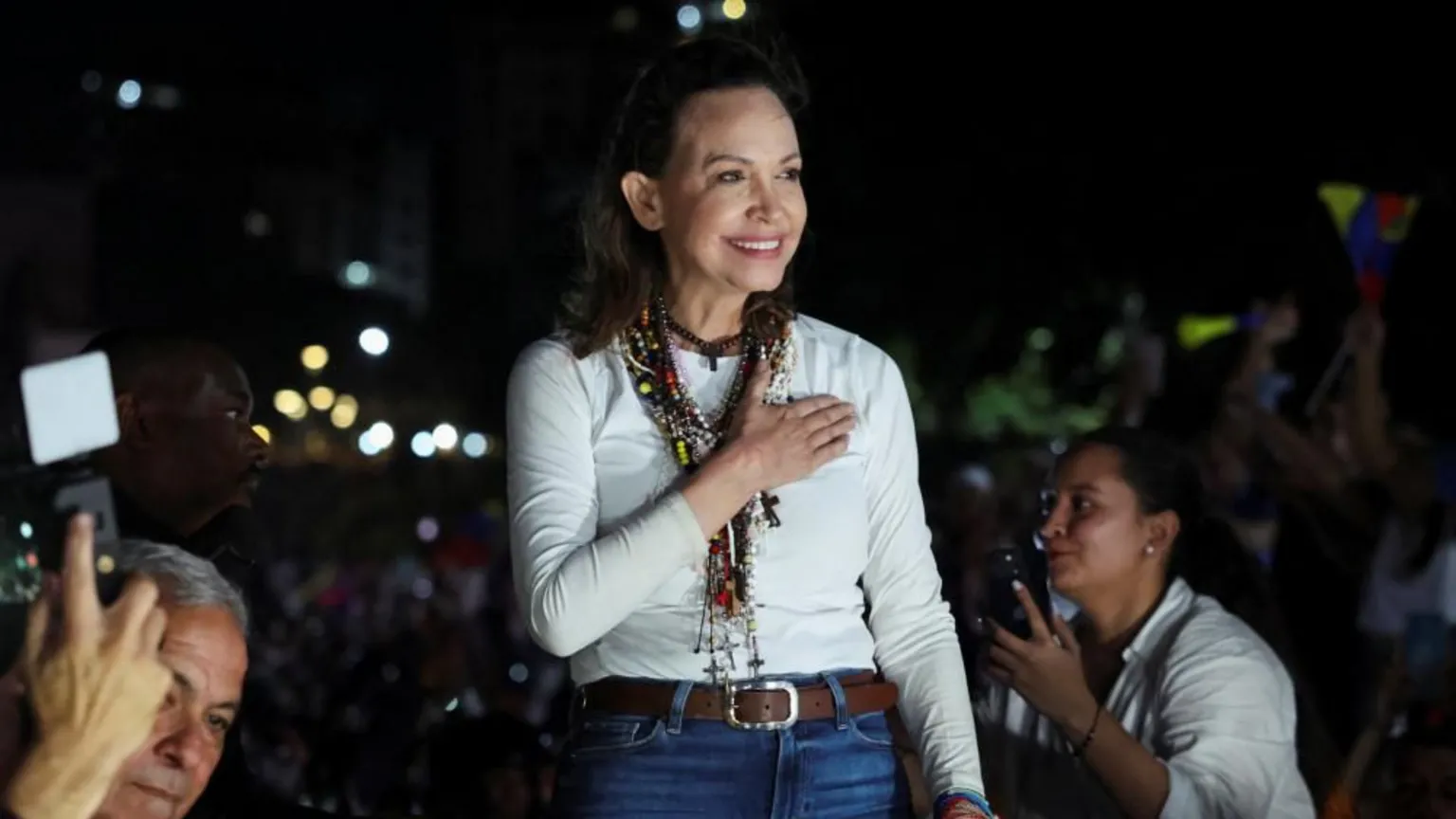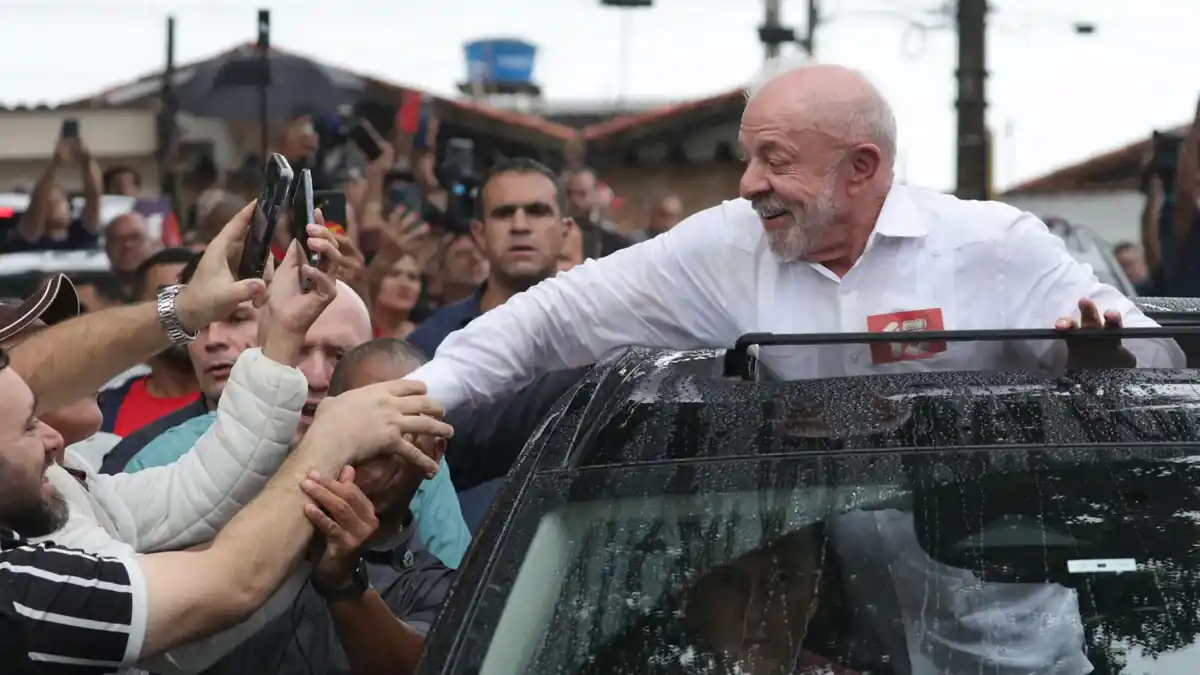
In the evening of Sunday, October 25, supporters of Luiz Inácio Lula da Silva assembled in São Paulo for a speech that was as much about Washington as about Brasília.
Lula declared, "Brazil is no one's backyard," having won re-election, explaining that his electoral campaign had managed to fight off any foreign interference via digital technologies. He also promised to boost participation of the citizens in making decisions.
Lula's allegations about foreign interference were made by himself and were not confirmed by independent reports.
The difference was narrow. Lula emerged victorious from the contest by securing 51.8% of votes compared to 48.2% of votes received by Flavio Bolsonaro, according to the results announced by the Superior Electoral Court, with all but a few votes being accounted for.
This is a unique scenario in Brazilian electoral history of direct voting since 1989 because a candidate succeeded in the second round after failing to secure victory in the first round.
It is actually a unique scenario because the polling agencies were unable to predict Bolsonaro's lead in the first round.
The candidate who was running against Lula was not an ordinary one. Flávio Bolsonaro is a 45-year-old senator and a good friend of US President Donald Trump. He is the son of former president Jair Bolsonaro.
Jair Bolsonaro is a coup-plotter. The Supreme Court sentenced him and his close aides in September 2025 because of their conspiracy to overthrow Lula.
Flávio Bolsonaro has always wanted closer relations with the Trump administration.
The loser did not take it lying down. Flávio Bolsonaro stated that the "election must be annulled." CNBC's headline read, "He is reported to be refusing to concede."
There was no proof of any sort of election fraud in the news reviewed. Lula has been defending Brazil’s electronic voting system for years and once said that even if there was fraud, he wouldn’t have been elected president three times.
The campaign took place amid strained relations between the US and Brazil. In 2025, Donald Trump imposed 50% import tariffs on Brazilian products, partially due to the arrest of Jair Bolsonaro. These tariffs were not well-received in Brazil.
Tensions subsided at the end of last year. Following diplomatic contacts between Lula and Trump, the Trump administration lifted the increased tariffs and canceled the sanctions against the Supreme Court justice Alexandre de Moraes.
In the runoff, Trump maintained a low profile. Flávio Bolsonaro did not attempt to gain Trump’s support, and Trump refrained from doing that as well. Trump did compliment Bolsonaro’s performance in the first round but never made an official endorsement.
The outcome is significant for reasons that go beyond Brazil, because it means Latin America’s largest nation won’t become part of an expanding group of right-of-center countries under the Trump administration.
With Lula’s victory, Brazil and Mexico have left-of-center leaders in two of the largest economies in the region.
This election was an acrimonious one. Lula said that the Bolsonaro clan had made common cause with the United States against Brazil. Flávio denied the accusation.
Regional leaders reacted quickly. One of the leaders to extend his congratulations was Santiago Peña, the president of Paraguay, and Rodrigo Paz of Bolivia.
There is no reaction mentioned from the White House in any of the reports analyzed up to the point of writing this paper.
Lula's party won’t last long since his government has been facing challenges of deteriorating economic well-being and rising public debt because of increased expenditure on servicing the debt and inflexible mandatory expenditures.
Cost of living and security had also been concerns of voters. Those were the factors that almost made him lose the election.
Moreover, Lula is also on the verge of achieving something. He claimed in September 2025 that he would be turning 80 on October 27; hence, he would be turning 81 this week.