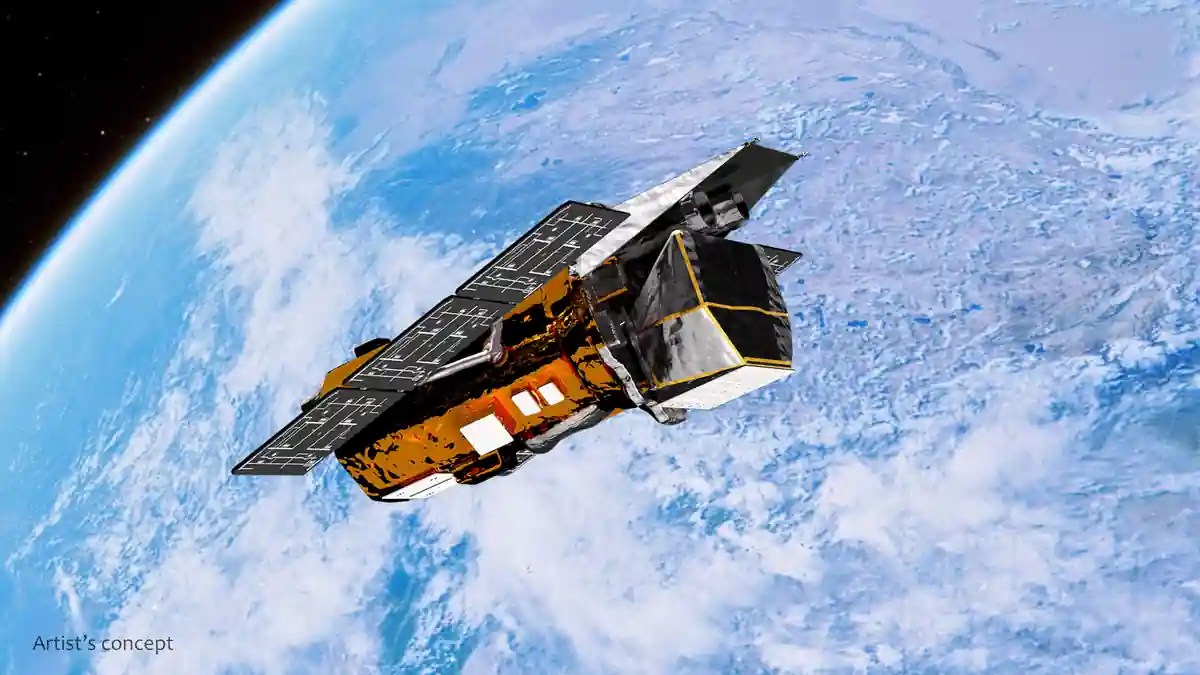
- NASA's Neil Gehrels Swift Observatory has ended science operations. Its last observation was on October 20.
- Atmospheric drag at under 171 miles (275 km) altitude means the telescopes can no longer hold steady on a target.
- A $30 million private rescue attempt was called off in August after the rescue spacecraft lost control.
- Swift is expected to fall back to Earth within weeks. NASA has not named a date or location.
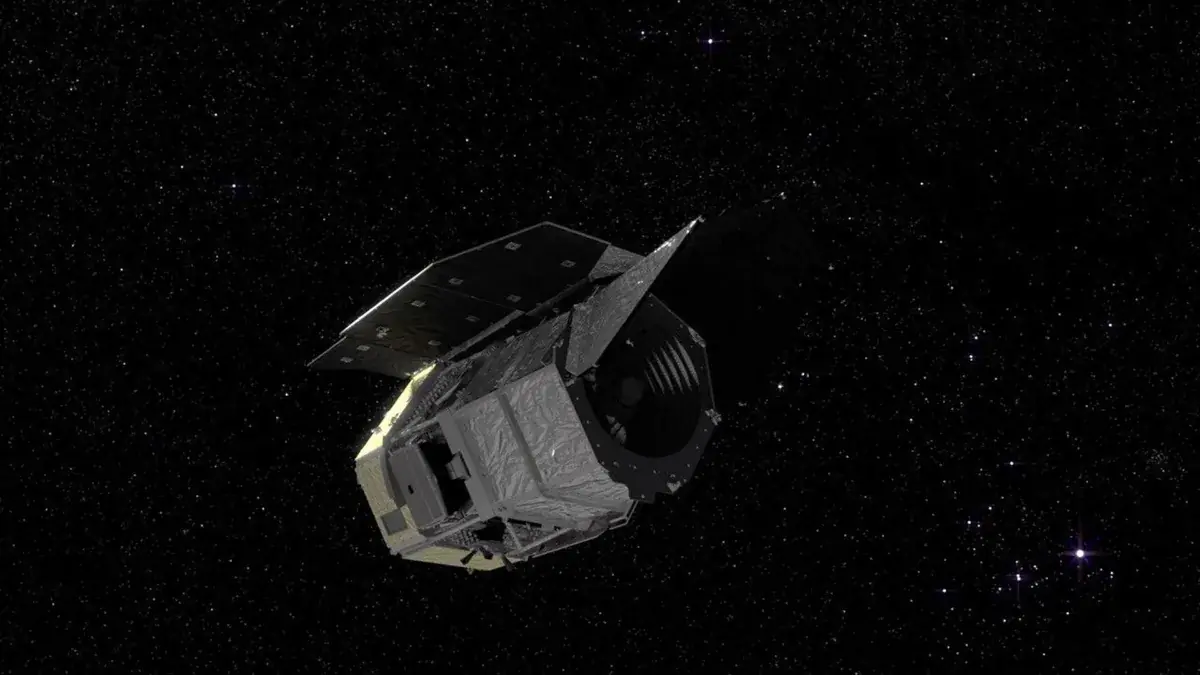
NASA's Neil Gehrels Swift Observatory has stopped doing science. The agency announced on October 23 that the spacecraft made its final observation three days earlier, and that it is now sinking toward a fiery reentry.
Swift now orbits less than 171 miles (275 kilometers) above the surface. At that height the thin upper atmosphere pushes back hard enough that the satellite cannot keep its instruments locked on a target for any useful length of time. Pointing a telescope while being dragged down is a losing job.
For a mission that lived on precision, that was the end of the line. Swift's whole value came from swinging around fast and then staying put long enough to gather light from a fading afterglow. Once the drag made that impossible, there was little point in keeping the instruments running.
The slide did not come as a surprise. Swift launched on November 20, 2004, with a planned life of two years. Intense solar activity in recent years swelled Earth's upper atmosphere and sped up the decay well past what engineers had expected. Earlier this year NASA switched off the science instruments and repositioned the spacecraft to reduce drag. That bought time. It did not buy a future
Gamma-ray bursts are the brightest explosions in the universe, and they vanish quickly. Swift existed to catch them. When it detected one, the spacecraft pinpointed the position, alerted observatories around the world and swung its own telescopes toward the spot, usually in about a minute, according to principal investigator S. Bradley Cenko of NASA's Goddard Space Flight Center.
The payoff came early. In May 2005 Swift caught GRB 050509B, a burst that lasted only 0.03 seconds. It still managed to collect 11 X-ray photons from the afterglow, the first time anyone had seen one from a short burst. The result backed the theory that such bursts come from collisions between neutron stars.
Its scheduling system let astronomers request fast follow-up observations within minutes. The spacecraft could juggle up to 75 separate targets in a single day.
That flexibility turned Swift into something closer to a first responder for the rest of astronomy. Other telescopes, on the ground and in orbit, could take its alerts and point their own instruments at the same patch of sky. Operations director John Nousek of Penn State said the speed of the hardware and the teamwork of the ground crews put Swift at the crossroads of several fast-growing research areas.
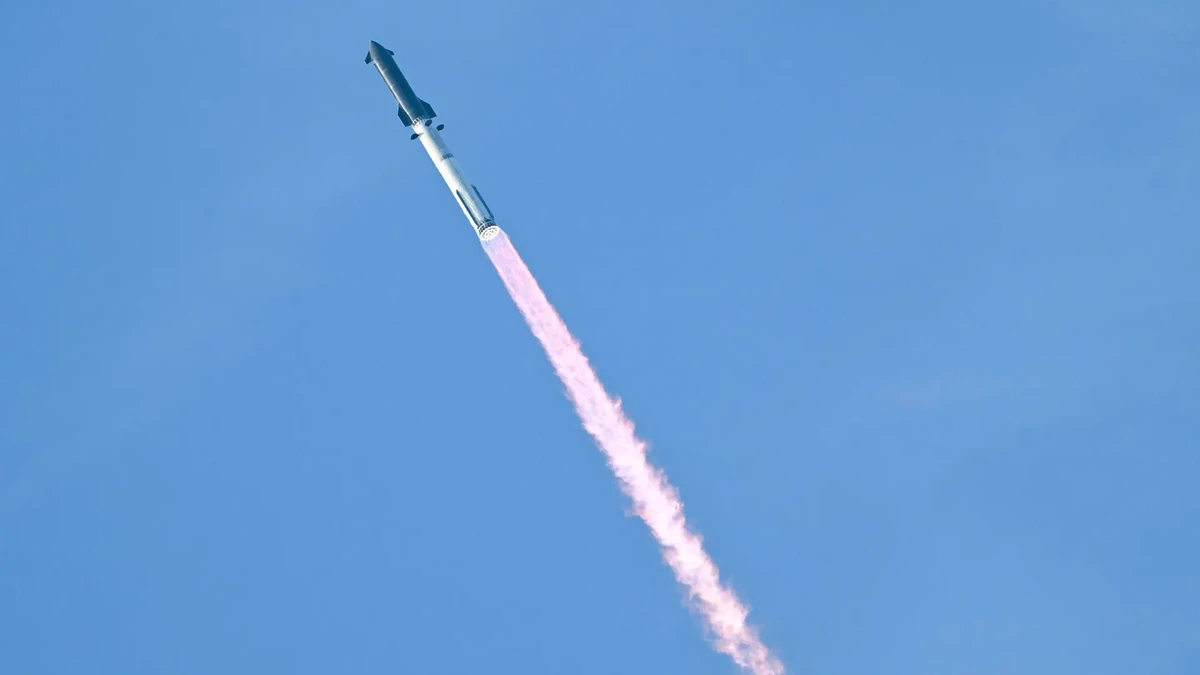
NASA gave Swift one last chance. In September 2025 it hired Katalyst Space Technologies to build a robotic spacecraft, called LINK, that would grab the observatory and push it into a higher orbit. The company had less than a year and a $30 million contract.
LINK launched in early July. Within weeks it went into an uncontrolled spin. Gizmodo reported that two of its three reaction wheels failed. A flight software update gave engineers brief hope, but it was not enough. On August 19, NASA and Katalyst called off the capture.
"This is not the outcome we were working toward," NASA Administrator Jared Isaacman said at the time. Katalyst chief executive Ghonhee Lee described it as an ambitious mission on an aggressive timeline.
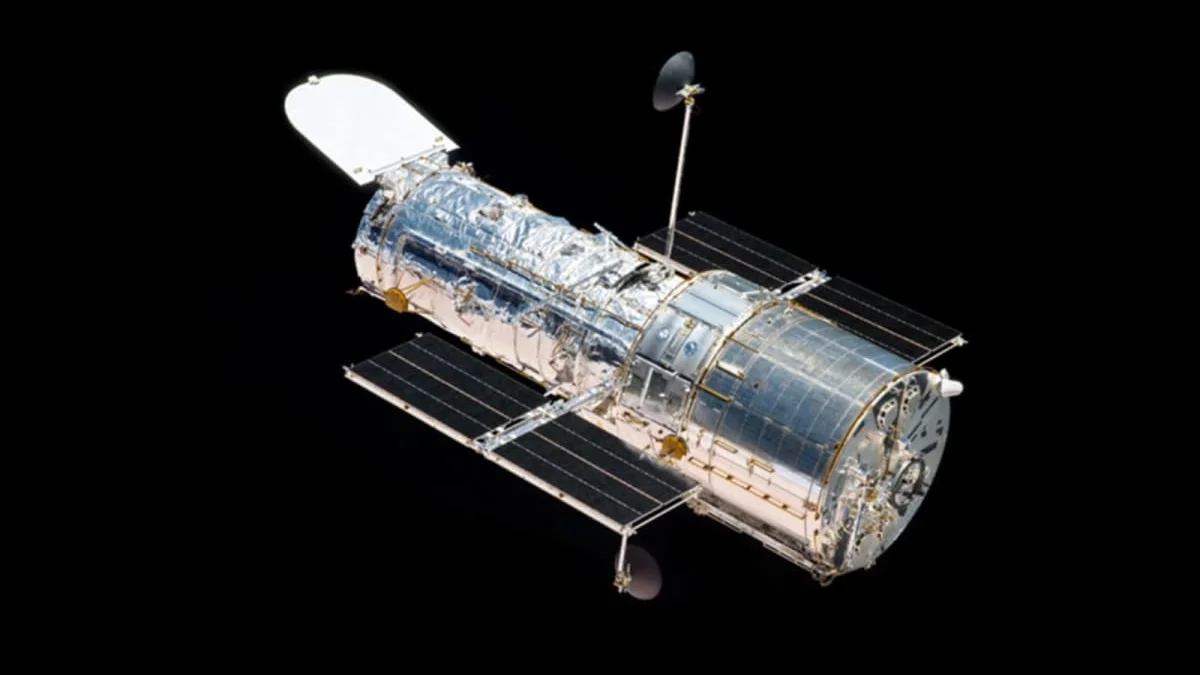
Engineers did regain control of LINK, but the spacecraft was short on fuel. It reentered the atmosphere on September 25, less than three months after launch. NASA says the attempt still taught it useful lessons for future satellite servicing. After the capture was cancelled, Katalyst kept flying LINK near Swift to practice the close-approach work that future rescues would need. Hubble had been next in line for a boost had this one worked, so the setback matters beyond one telescope.
Katalyst's timeline was the real gamble. Building and launching a servicing spacecraft in under a year is far faster than such projects normally move, and NASA knew the odds were long when it signed the deal. The agency's Domagal-Goldman has said the team was pushed to race the clock like never before.
The numbers are large. Swift observed more than 2,000 gamma-ray bursts and studied over 1,400 supernova explosions. It watched black holes tear stars apart, tracked active galaxies, surveyed the whole sky in X-rays and looked at asteroids and comets along the way. Its data feeds roughly 7,000 published papers.
The archive holds nearly 22 years of measurements, including more than 1.5 million images from the Ultraviolet/Optical Telescope. The full set runs to about 12 terabytes, which NASA compares to 600 high-definition movies. It is open to the public, so researchers can keep mining it long after the spacecraft is gone.
Shawn Domagal-Goldman, who leads NASA's Astrophysics Division, said Swift was productive for more than 10 times its planned lifespan. The agency now says it is looking at its existing space telescopes, along with commercial options and new missions, to fill the rapid-response gap Swift leaves.
NASA expects reentry in the coming weeks. Earlier reports from the Associated Press pointed to early November. The agency has not announced where the spacecraft will come down, and most of it is expected to burn up in the atmosphere.
For now, Swift is still up there, tumbling lower each day.