- Saudi Arabia, Pakistan and Türkiye agreed on Monday, October 5, to activate collective deterrence under the Makkah Joint Defence Agreement.
- The three countries said agreed forces and capabilities would be rapidly deployed to Saudi Arabia, in line with each member's national laws.
- The committee also endorsed retired Lt Gen Nauman Mahmood as the alliance's first Secretary-General.
- No troop figures, units or dates were made public.
Two months after it was signed, the Makkah pact is no longer just a document. At an emergency session in Riyadh on Monday, Saudi Arabia, Pakistan and Türkiye decided to move straight to implementing their collective defence commitments, including the swift deployment of military forces to the Kingdom.
The trigger is a run of missile and drone attacks by Yemen's Houthis on Saudi territory.
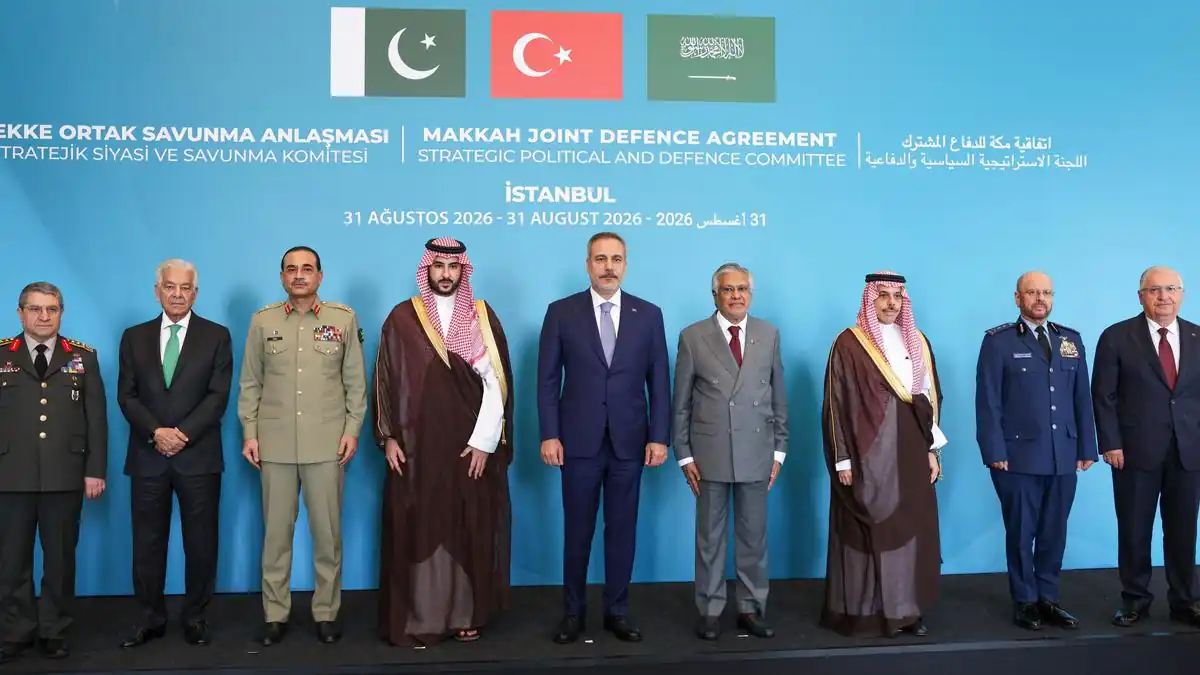
The meeting was the Strategic Political and Defence Committee of the alliance, called at short notice. Saudi Foreign Minister Prince Faisal bin Farhan and Defence Minister Prince Khalid bin Salman hosted it, along with army chief Gen Fayyadh bin Hamed Al-Ruwaili. Pakistan sent Deputy Prime Minister and Foreign Minister Ishaq Dar, Defence Minister Khawaja Asif and Field Marshal Asim Munir, who is both army chief and Chief of Defence Forces.
Prince Khalid, in a post on X, said the committee had agreed to activate collective deterrence measures against the attacks and "all those responsible for them."
A joint statement released by Pakistan's Foreign Ministry went further on mechanics. It spoke of an "immediate transition" to practical implementation, and said the three governments would provide the forces and capabilities agreed earlier and ensure their rapid deployment, following approved arrangements and national legislation in each country.
That last clause matters. Türkiye's parliament has yet to ratify the agreement, and it is expected to take it up this month.
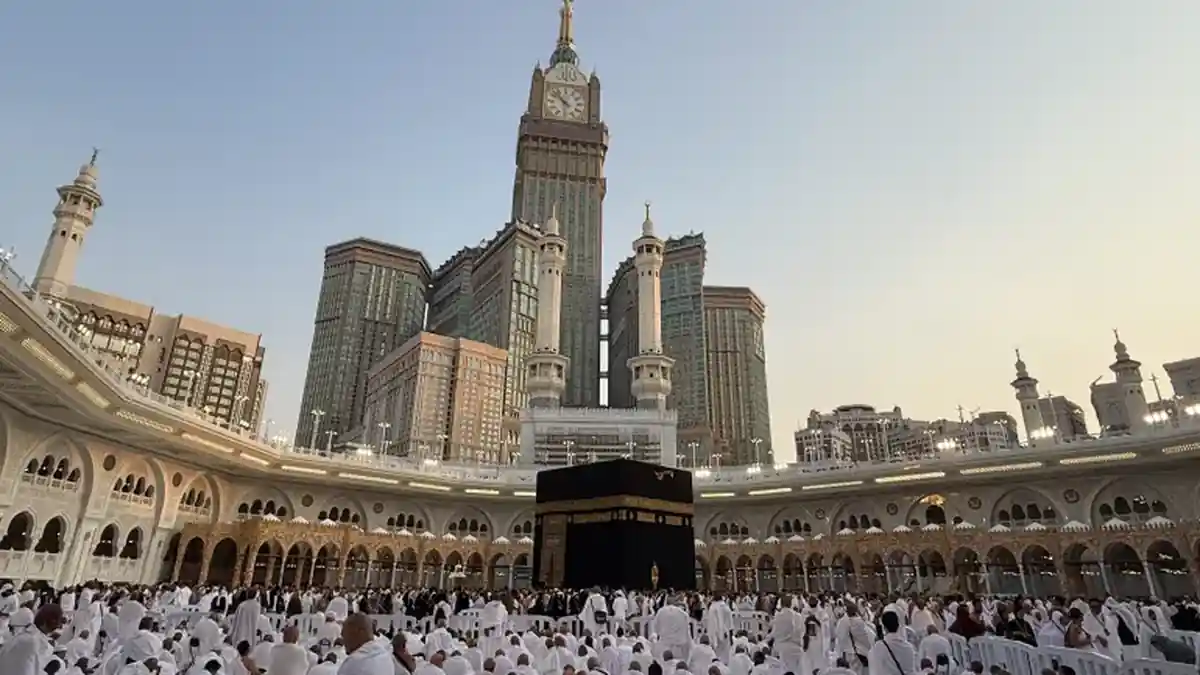
Pakistan and Türkiye also praised the readiness of Saudi forces. The statement condemned the attempted targeting of Makkah and Medina.
The committee endorsed Lt Gen Nauman Mahmood (retd) as Secretary-General. Pakistan named him on September 23, and he will run the alliance's secretariat, which is being set up in Riyadh.
Prime Minister Shehbaz Sharif, Crown Prince Mohammed bin Salman and President Recep Tayyip Erdogan signed the Makkah Joint Defence Agreement on August 7. Its core line mirrors NATO's Article 5: an armed attack on one member counts as an attack on all three.
It built on a bilateral Saudi-Pakistani defence agreement from September 2025.
Things moved fast after that. The committee held its first meeting in Istanbul on August 31. On September 25, the three military chiefs met in Riyadh.
Foreign ministers talked on the sidelines of the UN General Assembly in New York. By then the Houthi attacks had already wounded more than 70 people in Saudi Arabia in a single week, according to Arab News reporting from early September, and missile strikes on Taif and Yanbu drew condemnation from the Gulf Cooperation Council and the Muslim World League.
Saudi authorities said a drone aimed near Makkah was intercepted. The Houthis have denied targeting the holy city.
Pakistan is not starting from zero. Its foreign office said last month that troops were already present in Saudi Arabia under the bilateral pact, and Arab News has reported that Pakistan sent thousands of soldiers, a fighter squadron and an air defence system there in May, when tensions between the US and Iran were climbing.
That earlier deployment is part of why Monday's wording is so careful. Days before the meeting, Pakistan's military said operational details of the alliance were confidential and declined to say whether any fresh deployment had happened. Pakistan's foreign office had earlier called talk of military action against the Houthis "hypothetical."
Saudi forces, meanwhile, are doing the fighting. A Saudi-led coalition has been striking Houthi targets, with local media reporting hundreds of sites hit.
Quite a lot, actually.
There is no word on how many troops will move, which branches they come from, or where they will be stationed. Whether Pakistani and Turkish forces will take part in combat, or stay in defensive and air defence roles, has not been spelled out. Pakistan has also floated political engagement with the Houthis, an idea Riyadh has not publicly taken up.
The regional backdrop adds weight. The Houthi escalation is tied to the wider war that began in February with US and Israeli strikes on Iran. Türkiye's parliament speaker said recently that the pact is not aimed at Iran and could eventually grow into something broader, even including Tehran. Pakistani officials have said more than six countries have shown interest in joining.
Analysts in the region are watching the same gap that critics raised in August: a defence pact tends to look simple until someone asks who sends what, and when.
Pakistan's foreign minister has said the committee will meet again at the end of October or in early November, its regular schedule. Ankara's ratification vote is the next formal step on the Turkish side.
Until the three governments publish force details, the clearest signal will be movement on the ground in Saudi Arabia.