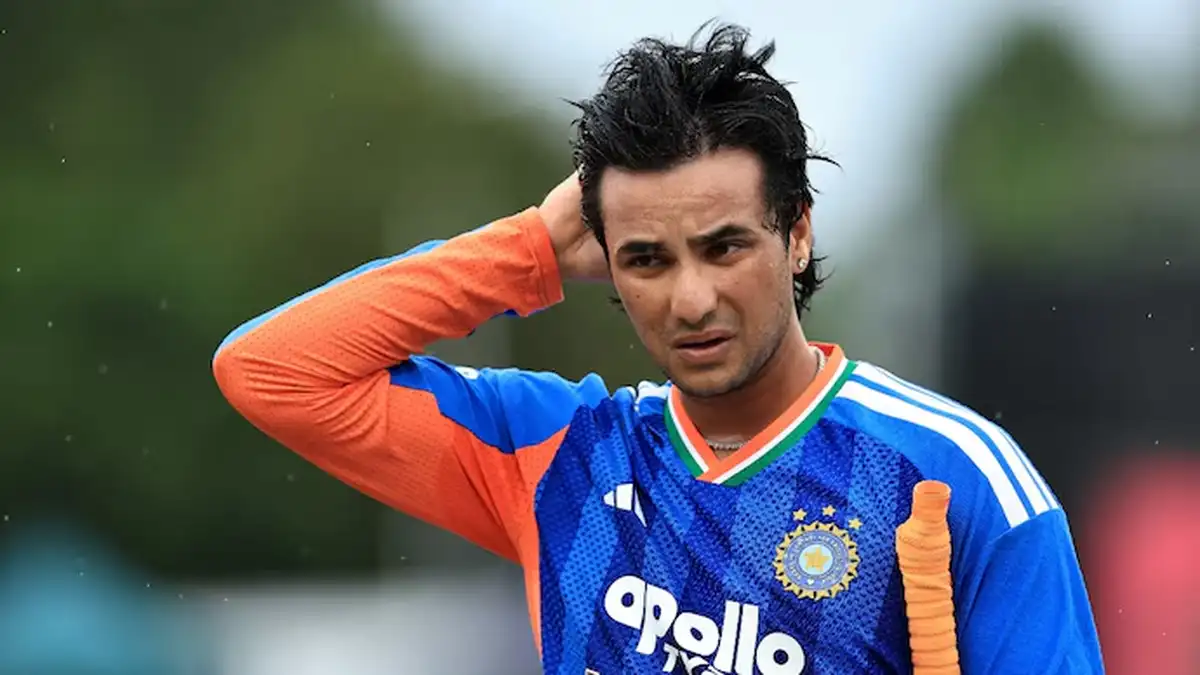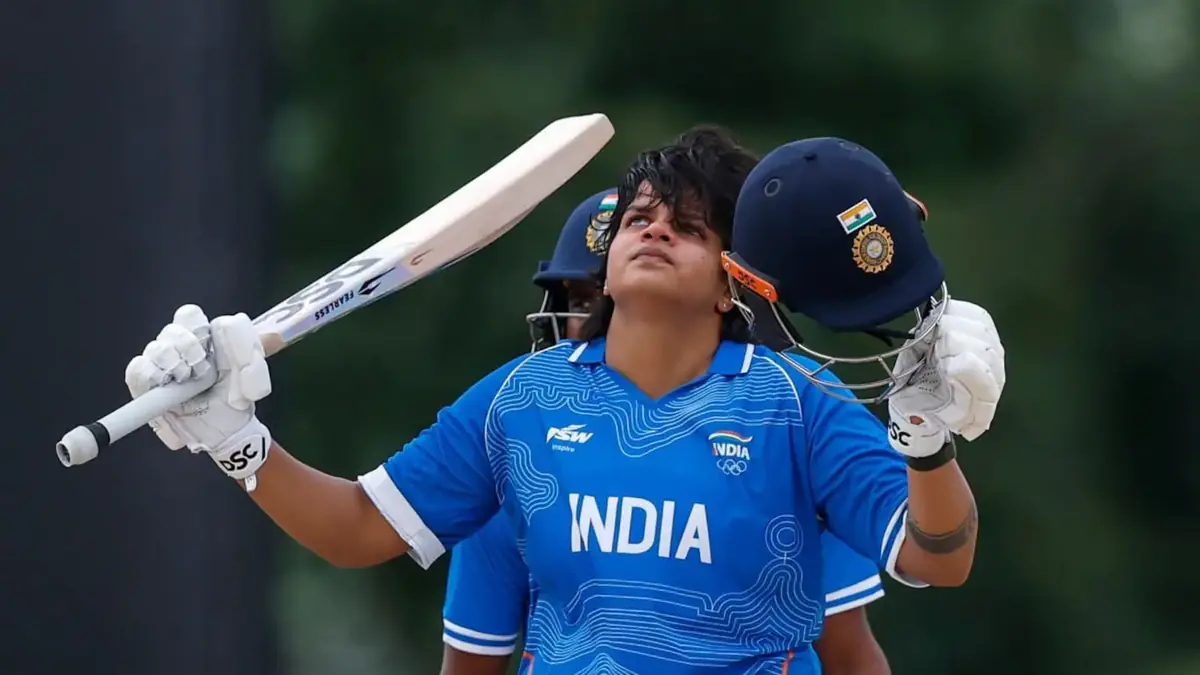
You don't usually get two milestones out of one team's batting effort before the halfway mark. Sunday did. Verma's century came on the final ball India faced about as late as a hundred can arrive.
Mandhana's record came in the third over and had basically been forgotten by the time anyone tallied it up properly.
Korogi Athletic Park in Nisshin isn't a ground most cricket fans could find on a map before this weekend. That's probably changed now.
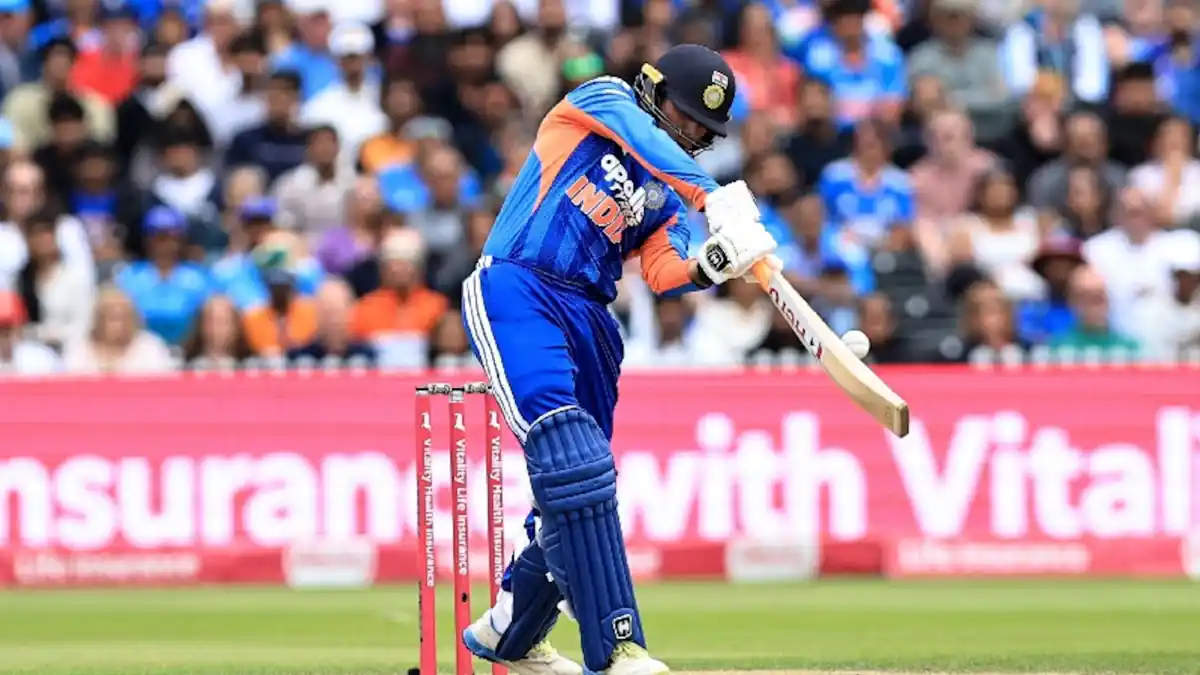
Harmanpreet Kaur won the toss and chose to bat. Easy call in hindsight. Mandhana and Verma opened and put on 72 in 36 balls. Verma out of the gate fast, 34 off her first 17; Mandhana slower to start, then 37 off 19 with five fours and two sixes before Nahida Akter got her.
Then Verma just kept going. She and Harmanpreet Kaur added 94 off 55 balls for the third wicket, Kaur chipping in 40 off 33 with six boundaries before she was out. Verma didn't stop. Nine sixes. Three fours. The unbeaten hundred innings close at 195 for 4.
Bangladesh's chase was over almost before it started. Juairiya Ferdous, duck. Dilara Akter top-scored with 27, and it barely mattered. Deepti Sharma and Nandani Sharma took three wickets apiece, and Bangladesh were bowled out in 15.4 overs for 81. Final margin: 114 runs, not a close game at any point.
Verma is 22. This is her first T20I hundred, and it's also the first century scored by anyone in the history of Asian Games cricket men's or women's.
That's the kind of line that changes how a player gets talked about for the next few years. Mandhana's record is the quieter one, arguably the more significant one long-term, and it got almost no attention on the day because Verma's innings ran off with the story. Harmanpreet Kaur called the toss right and then delivered with the bat too.
On the ball, Deepti Sharma and Nandani Sharma did the real damage; Nahida Akter had a rough afternoon but at least got Mandhana out.
Third over. A boundary off Marufa Akter. That's when Mandhana passed Suzie Bates, who only retired from the format after this year's T20 World Cup to become the all-time leading run-scorer in women's T20I cricket. It happened; it registered for about a second, and then the match moved on.
Which is a little unfair, honestly, because it's not a small record and it's not even her first one this year.
She'd already gone past Mithali Raj to lead women's international cricket across every format combined and separately to become the format's leading century-maker too, both inside this month's Women's Asia Cup. At some point you stop calling it a "record-breaking year" and just start describing it as her year.
India came in as defending champions, having won gold at Hangzhou in 2023 also against Sri Lanka, also in the final.
Tuesday decides whether that title gets kept or handed over. Bangladesh took their heaviest loss of the tournament on Sunday and now plays Pakistan for bronze instead, which is not where they wanted to end up.
Verma's hundred arrives after a string of near misses, worth mentioning. She'd already set the fastest-fifty record at this year's Asia Cup 24 balls, final, against Sri Lanka and had gotten within reach of three figures more than once without closing it out.
A knockout game against Bangladesh is where it finally came together; for whatever reason, big moments sometimes do that.
India's total was built on boundaries, not running between the wickets.
Verma's nine sixes alone made up more than a quarter of the team's 195. Between the 72-run opening stand and the 94-run partnership for the third wicket, India lost just four wickets in the full twenty overs; the middle and lower order barely got a hit. Bangladesh's innings was the opposite story completely: no partnership reached 20, and the whole thing folded in under 16 overs.
Sri Lanka in the final, Tuesday. Bangladesh and Pakistan are playing for bronze. For Mandhana there's not much drama left in the record; she's extending it now, not chasing it. For Verma, the real test is whether Sunday was a turning point or a one-off.
The talent was never in question. Turning it into a hundred in a knockout match under pressure is a different thing entirely, and it's the thing she hadn't done until now.
Three years after Hangzhou, the same two teams meet again for gold. That gives Tuesday's final a clean shape on its own. But Sunday mattered regardless of how that goes.
A maiden century tends to reset the conversation around a young player, and Mandhana's record is one more line in a year that already has plenty of them win or lose in Nagoya.