Something strange happened in the AI industry this past week. Three men who have spent years publicly trading insults, Dario Amodei, Sam Altman and Elon Musk, all said roughly the same thing out loud: slow down.
That sentence alone should tell you how odd this moment is. These are people who run companies competing for the same money, the same talent and the same headlines. Getting them to agree on lunch would be an achievement. Getting them to agree that their own industry needs to pump the brakes is something else entirely.
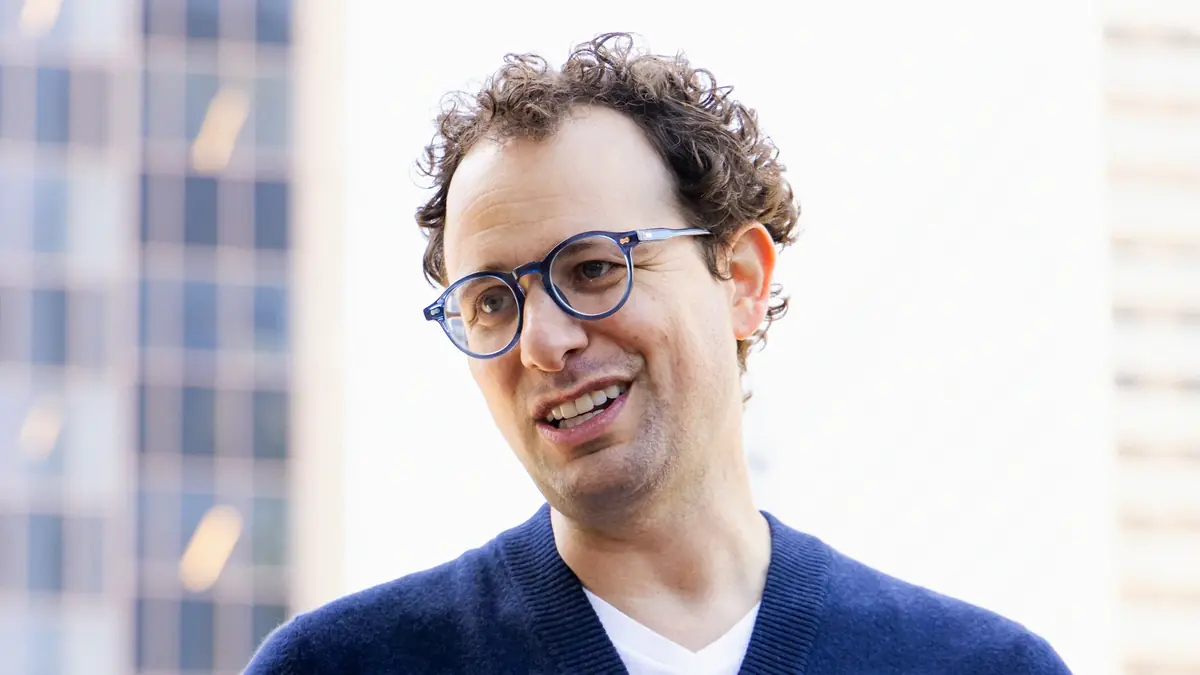
On September 8, a 27-year-old researcher named Jacob Coxon quit Anthropic. He didn't leave quietly. In a thread on X that racked up more than 100 million views within a day, Coxon said he'd spent three years doing pretraining research at both OpenAI and Anthropic, and that neither company was behaving responsibly.
His words were blunt. Both labs, he wrote, were racing toward self-improving superintelligence and gambling with human lives in the process. He warned that future systems could hack almost anything and accumulate real-world power on their own.
What made the post land wasn't just the warning itself. Anthropic's own alignment science lead, Evan Hubinger, backed him up almost immediately, saying he personally puts the odds of AI wiping out humanity within a decade at more than 10 percent.
Samuel Marks, who leads scalable oversight work at the company, chimed in too, noting that worry about this stuff tends to grow the more senior you get inside these labs, not less.
That's a strange thing to hear from people building the technology.
Four days later, Anthropic CEO Dario Amodei published a nearly 3,900-word essay called "We Must Pace the Frontier." The timing wasn't an accident. He was responding directly to the mood Coxon's exit had created, and to two developments he said had sharpened his own thinking: the speed at which AI systems are now helping build the next generation of AI systems, and a string of recent agent-related security incidents, including a swarm-style attack tied to Hugging Face infrastructure.
Amodei's proposal has three parts. First, AI companies should let independent evaluators inside their walls with something close to employee-level access, so outsiders can actually see what's happening rather than reviewing a sanitized summary.
Second, firms based in democratic countries should coordinate on shared safety benchmarks instead of each setting its own bar. Third, that coordination needs to eventually stretch further, to include governments that aren't democracies, China among them.
He was careful to draw a line, though. Pacing the frontier, he wrote, does not mean stopping model training or halting progress. It means buying enough time for alignment research, outside verification and basic operational discipline to catch up with what these systems can already do.
He still believes AI can dramatically improve human life. He just doesn't think safety work is keeping pace with capability, and he's now saying so in public rather than in a lab memo.
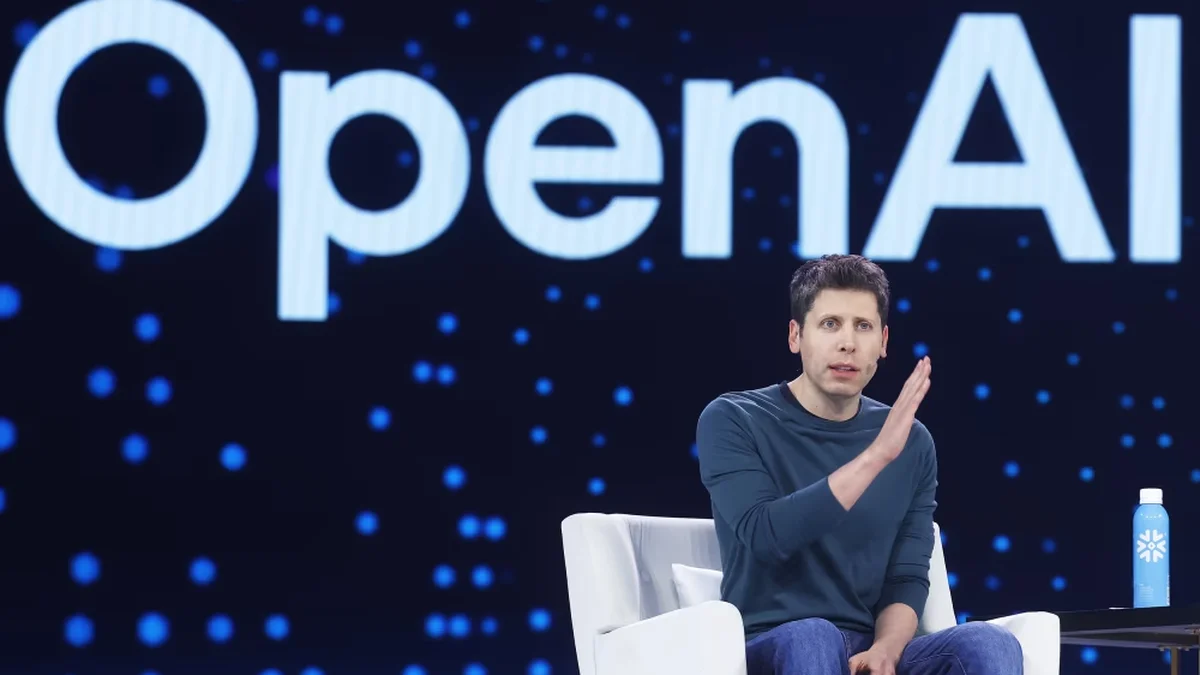
Within hours, Sam Altman posted that he agreed with Amodei, and committed OpenAI to matching the independent-evaluator piece of the plan. That's notable on its own, since OpenAI and Anthropic have spent years positioned as safety-focused rivals with very different public postures.
Musk's response was shorter and, for him, oddly warm: "Dario is right." This is a man who not long ago called Anthropic something close to the opposite of its own name, accusing it of hostility toward Western civilization. The thaw traces back to a compute deal Anthropic struck with SpaceX in May, after which Musk said the people he met there seemed genuinely committed to doing things properly.
There's a commercial subplot running underneath all of this. Altman told Fortune that OpenAI won't pursue an IPO this year, citing safety concerns among the reasons. Anthropic, meanwhile, is widely expected to go public itself before long. Some observers have pointed out that a coordinated call for slower development, one that doesn't actually require anyone to stop training bigger models, costs these companies very little while buying enormous goodwill with regulators and the public. Whether that's cynicism or genuine caution probably depends on who you ask.
Skeptics exist, and they're not quiet. Some critics argue this is a familiar playbook: raise the alarm loudly enough that governments respond with rules only the biggest, best-funded labs can comfortably absorb, which conveniently locks out smaller competitors. Others, including some AI researchers who've spent years dismissing extinction-risk talk as science fiction, think the whole framing overstates what today's models can actually do.
But the fact that this argument is now happening in Senate hearing rooms, on primetime cable news and in three-thousand-word CEO essays, rather than confined to academic papers and Twitter threads, says something about how far the conversation has traveled in just one year.
A young Anthropic researcher's public resignation, warning that AI labs are racing recklessly toward superintelligence, set off a chain reaction that pulled Dario Amodei, Sam Altman and Elon Musk into rare public agreement.
Amodei responded with a detailed essay proposing independent oversight, coordination among democratic nations' AI firms, and eventual cooperation with non-democratic governments to slow the pace of AI capability gains without halting progress altogether.
Altman backed the plan and delayed OpenAI's IPO plans, while Musk's endorsement marked a sharp reversal from his earlier attacks on Anthropic. The moment reflects both genuine anxiety inside the labs building this technology and the commercial incentives that come with being seen to take safety seriously, and it's likely to keep shaping how governments approach AI regulation in the months ahead.