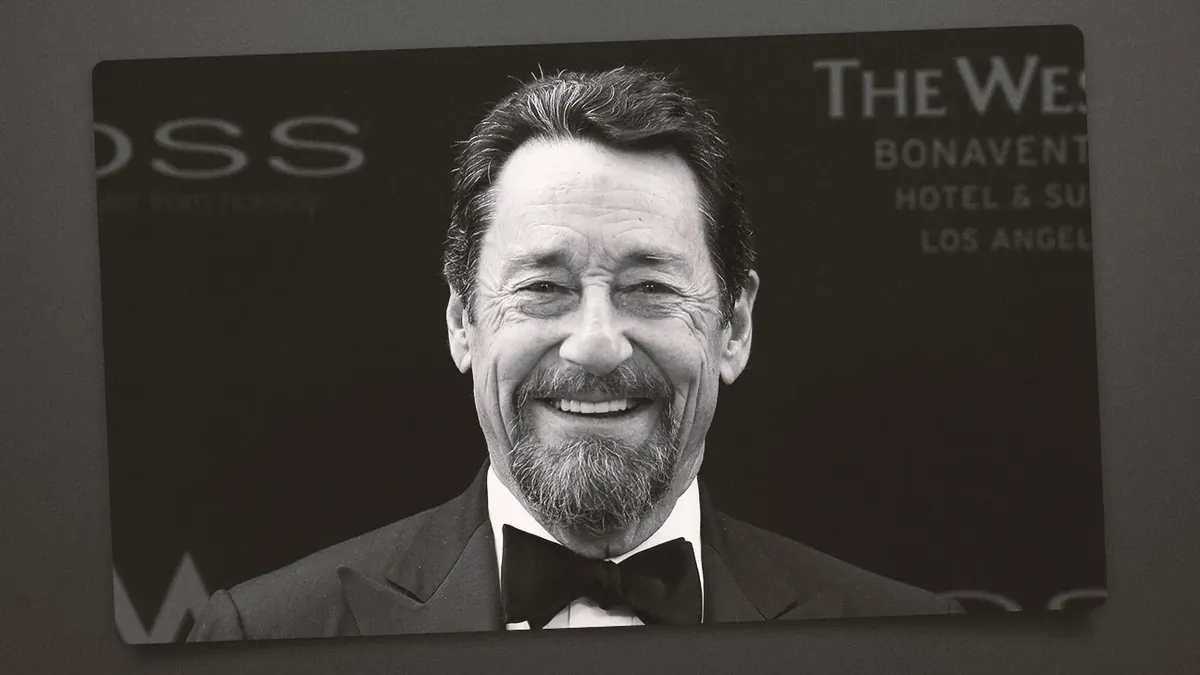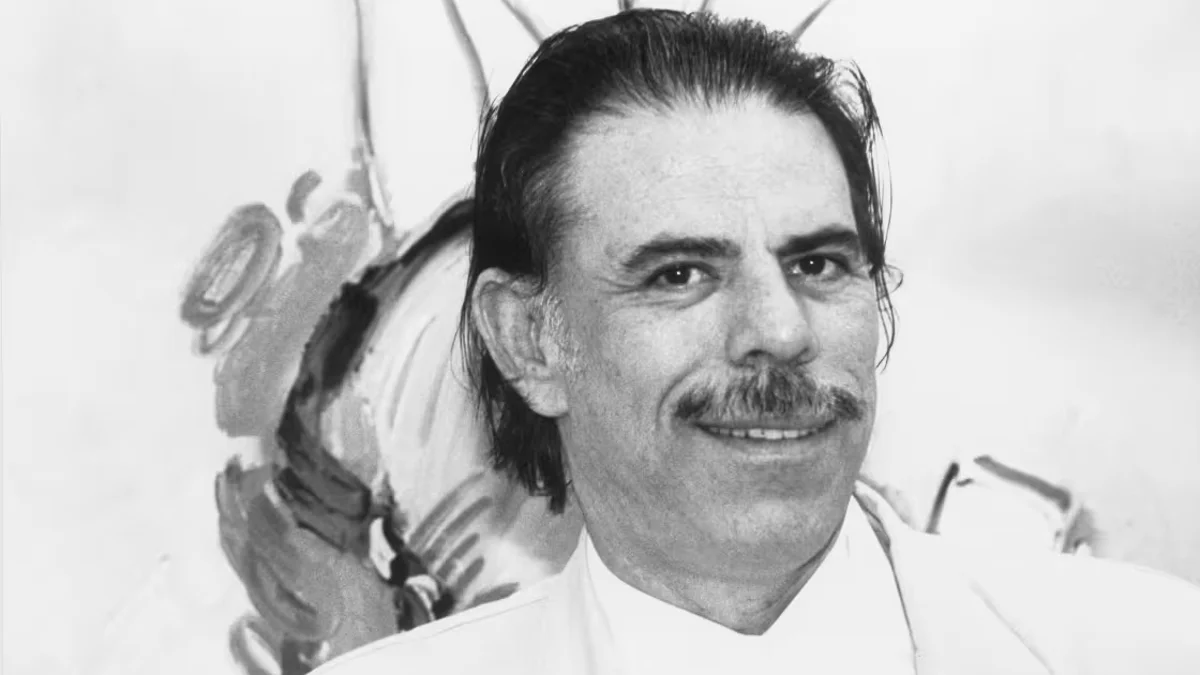
Artist Peter Max, known for his swirling rainbows that represented the "flower power" era, has died aged 88 years.
According to his son, who revealed the news through an announcement, Max passed on without a cause stated. Max had an illustrious career spanning from the "flower power" posters to paintings for corporations, postal stamps, and cruise ships.
Max was born as Peter Max Finkelstein on October 19, 1937, in Berlin to German Jews Salla and Jakob Finkelstein. The family moved from Berlin to Shanghai in 1938 and stayed there for the next decade.
During the stay in Shanghai, Max became fascinated with American popular culture, including comics, jazz, and movies, aspects that would feature prominently in his later works. Max's travels did not end in China, as he lived in Tibet, Israel, and Paris before moving to New York at age 16 years.
He is said to have spent much of his time sketching at the Louvre in Paris. By the time Max was in Brooklyn, he was already immersed in American culture.
Upon completion of his education at the high school level, Max enrolled at the Art Students League of New York, where he obtained classical training in drawing, anatomy, and painting.
He also attended classes at the School of Visual Arts and Pratt Institute. In 1961, Max founded a graphic design studio together with his friends, and his unique, unmistakable style soon became popular among advertising agencies, publishers, and corporations, leading to the establishment of a successful commercial enterprise.
Max later stated that his early commercial success was more of an exploitation of his art than satisfaction in art.
Upon completion of his education at the high school level, Max enrolled at the Art Students League of New York, where he obtained classical training in drawing, anatomy, and painting. He also attended classes at the School of Visual Arts and Pratt Institute.
In 1961, Max founded a graphic design studio together with his friends, and his unique, unmistakable style soon became popular among advertising agencies, publishers, and corporations, leading to the establishment of a successful commercial enterprise. Max later stated that his early commercial success was more of an exploitation of his art than satisfaction in art.
It is in the decade of the 1960s and 70s that the works of Max came into the spotlight, providing some of the best Pop Art images associated with the Flower Power movement.
The murallike artwork of Max, consisting of flowers, cosmic images, and cartoonlike characters in bright colors of turquoise, orange, and neon green, was found everywhere—decorating the walls of dormitories, adorning the clock faces and bed sheets, and even appearing on the covers of Manhattan Yellow Pages.
Max was himself a celebrity in his time, appearing on the cover of Life magazine in 1969.
Some of his most famous paintings include colorful representations of the Statue of Liberty and celebrity portraits like those of The Beatles and Jimi Hendrix.
He was called upon to paint musicians, including Mick Jagger, Steven Tyler, the Grateful Dead, and, more recently, Taylor Swift. He designed album covers ranging from Aretha Franklin to Yes.
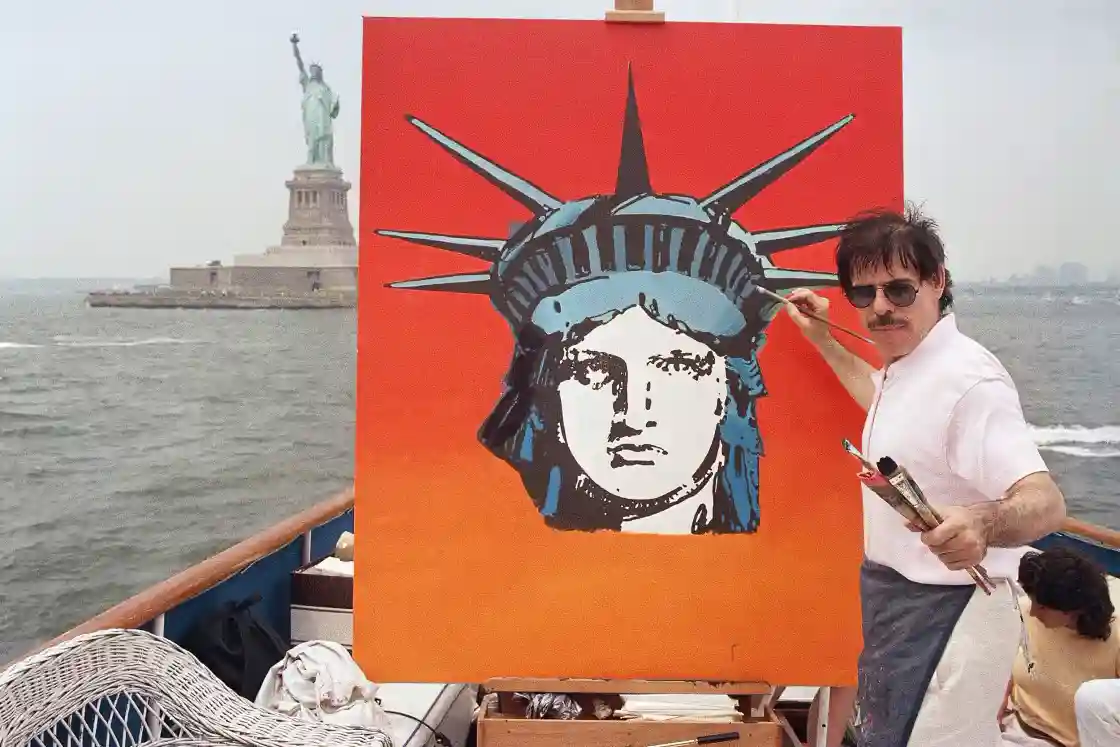
Photo: @David Bookstaver / AP file
In contrast to most artists associated with one particular era, Max's career continued long after the 1960s decade. He was the artist-in-residence for the Olympics, Super Bowl, Indianapolis 500, World Cup, and World Series and several other major sports events.
His artworks have been featured on a Boeing 777 airplane and even on the ship of Norwegian Cruise Line. Max designed a psychedelic design for NASCAR star Dale Earnhardt's race car. He designed a clock collection for General Electric and painted a stamp to commemorate the Expo '74, and some money from his Statue of Liberty series was donated for restoration of the Statue of Liberty.
His museum exhibitions increased in parallel with his popularity in the commercial sphere. His first museum solo exhibition, titled “The World of Peter Max,” was held in 1970 at the M.H. de Young Memorial Museum in San Francisco and decades later, in 2016.
“Peter Max: 50 Years of Cosmic Dreaming” took place at the Tampa Museum of Art. Presently, his artworks are included in the collections of museums such as the Museum of Modern Art and the Philadelphia Museum of Art.
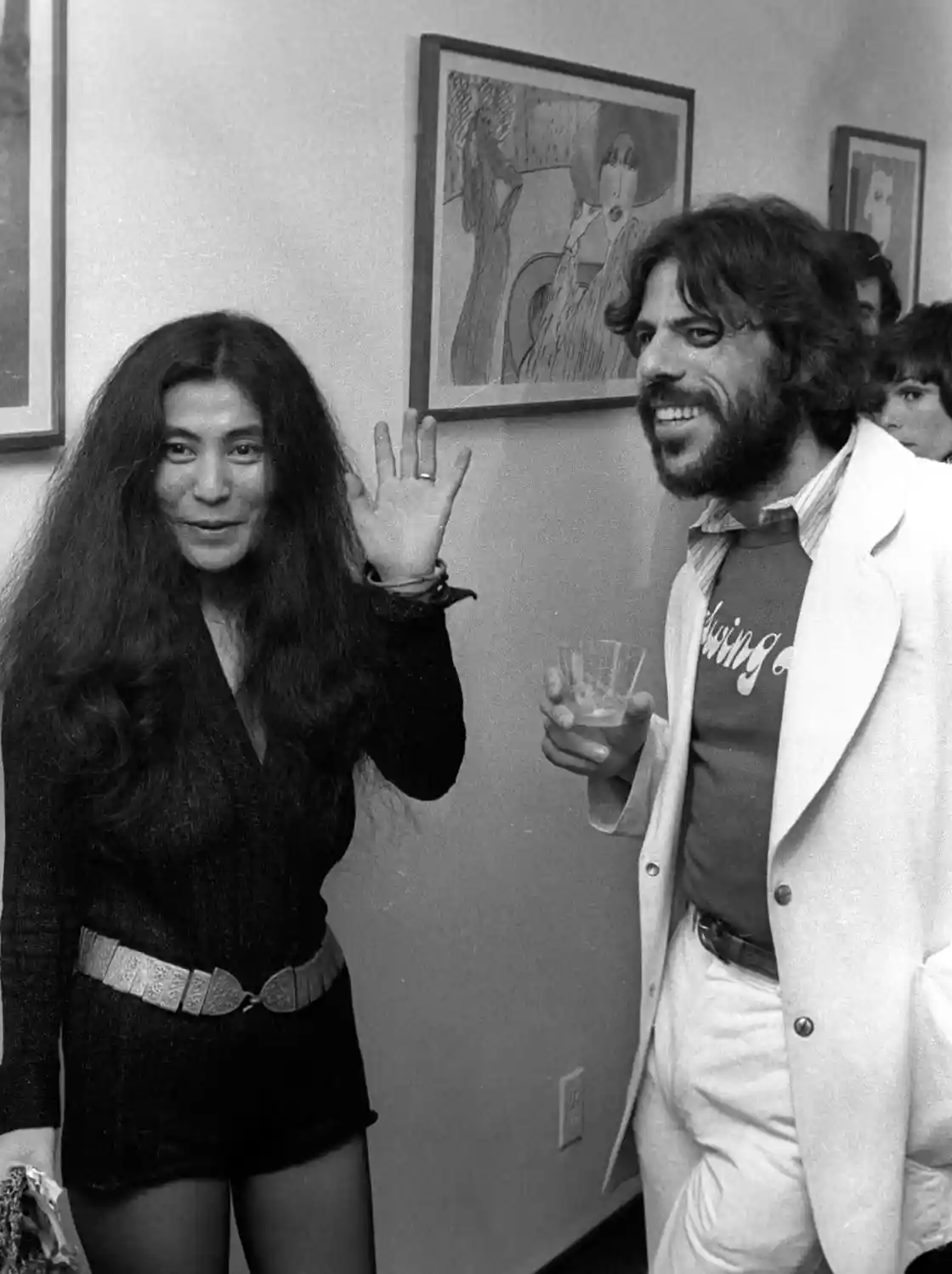
Photo: @Ron Galella / Getty Images
Although Max experienced several controversies throughout his career, his constant creativity and optimistic style kept him popular even in the 21st century.
Those who were close to him and saw the artist’s works often referred to his ability to combine the optimism characteristic of America during that time and the eastern, mystical approach—something which, according to one critic, succeeded only because the artist sincerely believed that art should be accessible to all people.
As Max once described himself, looking back on his life, the universe itself was the epitome of creation for him and made him feel awe at the power given to human beings to use the same power of creation.